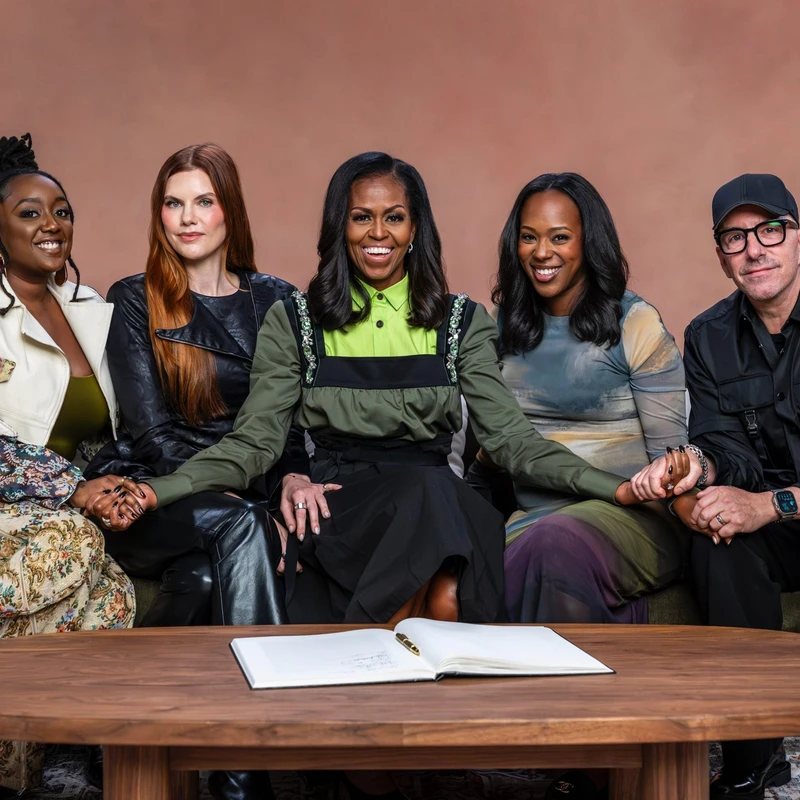
Former First Lady Michelle Obama’s style has always been a source of inspiration, and her hair choices have often sparked important cultural conversations. From elegant chignons to bold braids, her looks have celebrated Black womanhood and redefined representation. Now, the artists behind these defining moments are sharing their stories in the new book, “The Look.”
The Artistry of Njeri Radway and Yene Damtew
Njeri Radway and Yene Damtew, two talented Black women, are the masterminds behind many of Michelle Obama’s most memorable hairstyles. They recently sat down with ESSENCE to discuss the emotional depth of their work, the cultural significance of Black hair, and their hopes for inspiring the next generation of stylists.
When the idea for “The Look” came up, both stylists felt a profound sense of honor. Njeri described it as a “historic artifact” that would be passed down, a dream come true. Yene echoed this excitement, emphasizing the importance of recognizing how hair reflects our identity as Black women. “This book celebrates how beauty and identity are intertwined,” she shared.
More Than Just Hair
For both Njeri and Yene, their work with Mrs. Obama goes far beyond styling. They see it as a way to empower Black women and affirm their presence. “Our hair is our identity,” Njeri explained. “Helping my clients move confidently through the world is an honor.”
Yene highlighted the impact of seeing Michelle Obama in various styles, like braids or natural curls. “It reinforces that they are seen,” she said. These moments, where clients visibly decompress or feel lighter after a session, remind them that their job is about more than just the hairstyle – it’s about helping someone feel beautiful from the inside out.
Authenticity and Ownership in Beauty
Balancing a polished look with authenticity is a key theme. Njeri encourages embracing natural hair growth, stating, “Any style can be polished.” Yene adds that “polished should mean well-maintained. Not straight. We need to redefine that standard for ourselves.”
When it comes to ownership as artists and culture shapers, they aspire to “full financial autonomy and the power to drive systemic change in the beauty industry,” as Njeri put it. Yene hopes for “a seat at the table and sharing our experiences honestly so the next generation can grow and rise.”
Advice for Future Stylists
For young Black women entering the industry, Njeri advises them to “take the risk” and stay dedicated, letting fear be a motivator. Yene stresses the importance of “continuing education and soft skills” to ensure long-term success beyond fleeting trends.
Ultimately, Njeri hopes readers take away that “it is okay to just be and show up confidently without apology.” Yene adds, “That anything is possible when you stand firmly in your decisions.” Their collective hope is that Black women continue to “push the envelope and taking up space,” recognizing that they are, indeed, the blueprint.
What’s your favorite Michelle Obama hairstyle? Share your thoughts on the cultural impact of Black hair in the comments below!
Leave a Reply