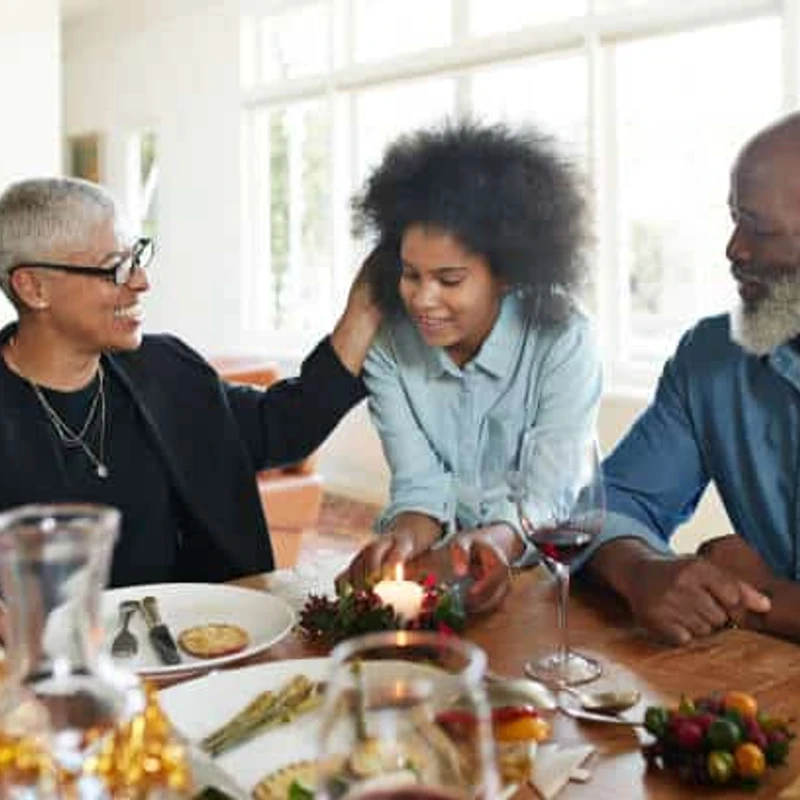
The holiday season is synonymous with festive gatherings, delicious food, and cherished family time. However, for individuals managing Crohn’s disease or ulcerative colitis (collectively known as Inflammatory Bowel Disease or IBD), these celebrations can also bring a significant amount of stress, particularly concerning food. Traditional holiday dishes, often rich and heavy, can easily trigger painful flare-ups. But don’t let IBD keep you from enjoying the festivities! With a proactive plan, you can navigate the holidays with confidence.
1. Be Prepared: Know Your Triggers and Pack Smart
Preparation is key when managing IBD during the holidays. Always have extra medications and essential medical supplies on hand, and consider packing a change of clothes “just in case.” It’s also vital to prioritize your well-being by making time for calming activities, ensuring you get enough sleep, and incorporating exercise. Don’t feel pressured to eat everything offered; communicate your dietary needs and limitations in advance to family and friends. It’s perfectly okay to step away early if you’re not feeling well, despite your best efforts.
2. BYOM: Bring Your Own Meal (to Share!)
When in doubt, bring your own IBD-friendly dish to share! This guarantees you’ll have something safe and delicious to eat. Think tender, lean proteins like slow-cooked poultry, salmon, or tofu. Roasted, mashed, or pureed root vegetables (peeled and fork-soft) are also excellent choices. You can even take control of classic dishes like green bean casserole or sweet potato casserole by swapping out trigger ingredients for IBD-friendly alternatives, adjusting texture without sacrificing taste. For dessert, baked apples and pears with an oat crumble topping offer a safe and satisfying option.
3. Adapt Traditions: Focus on Connection, Not Just Cuisine
If you can’t fully adopt or avoid certain traditions, focus on substitutions and alternatives. The goal is to participate in the holiday spirit without succumbing to trigger foods. Shift the emphasis from surviving food challenges to enjoying the company of loved ones. Engage in activities like playing games or catching up with family you haven’t seen in a while. Communicating your needs in advance, such as offering to bring a dish, can significantly enhance your holiday experience.
4. Mindful Indulgence: Eat Intentionally
Mindless indulgence is not an option with Crohn’s or ulcerative colitis. Instead of feeling deprived, be intentional about your food choices. Savor small portions of IBD-friendly foods and stay hydrated. While the fear of a flare-up is real, it shouldn’t prevent you from enjoying the non-food-related joys of the season. Remember, even with the best intentions and careful eating, your body might still react unpredictably sometimes.
5. Manage Family Dynamics: Drama is Also a Trigger
Beyond food, family dynamics can also trigger IBD symptoms. Criticism, arguments, or misunderstandings about your dietary needs can add significant stress. Loved ones might not understand why you’re not partaking in certain dishes or why you need personal time. Setting expectations early with family and friends can help foster a more peaceful and supportive environment, making holiday meals happier for everyone.
6. Keep It Moving: Prioritize Physical Activity
Reducing holiday stress can be as simple as staying active. A post-meal walk around the neighborhood can aid digestion and provide a social outlet. Incorporating gentle exercise like yoga or meditation can also help manage stress and reduce the impact of difficult situations or people. Making movement a part of your holiday routine is beneficial not just during the season but year-round.
What are your go-to strategies for managing Crohn’s or colitis during the holidays? Share your tips and experiences in the comments below!
Leave a Reply