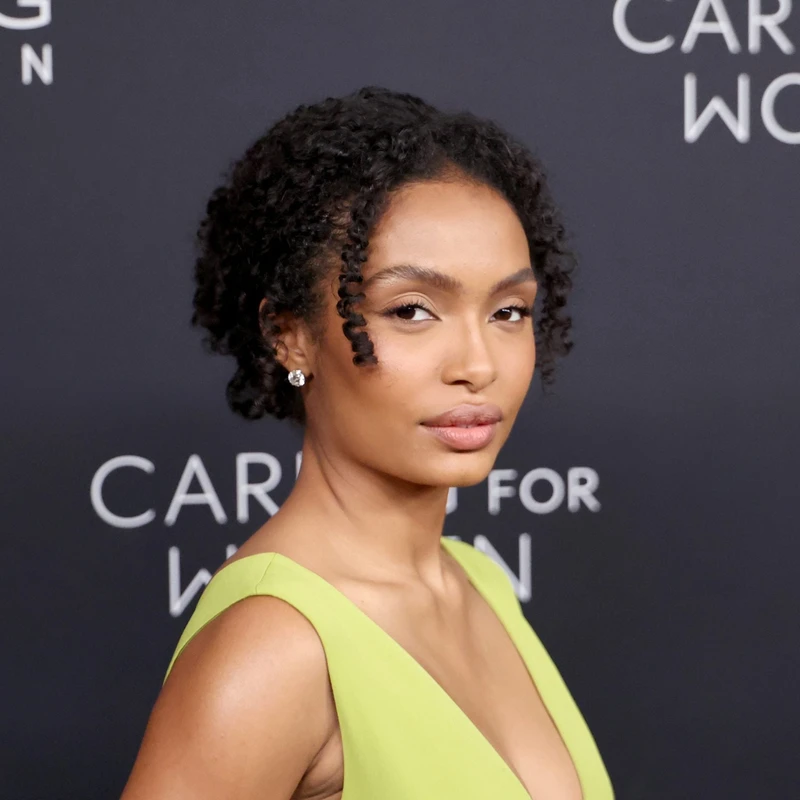
Tired of worrying about breakage and thinning edges? This holiday season, consider giving your hair the break it deserves by embracing low-tension styles. Celebrity natural hair stylist Felicia Leatherwood explains why these styles are not only healthier for your scalp and hair integrity but are also becoming the chicest way to wear your natural texture.
The Shift Towards Healthier Hair
Many of us have experienced the consequences of back-to-back tight hairstyles, like the dreaded traction alopecia. Leatherwood, known for her work with stars like Issa Rae, emphasizes that maintaining healthy hair should be the priority. “At the end of the day, it’s about maintaining hair that’s healthy,” she tells ESSENCE. “We need to keep it from being pulled and manipulated too much.”
The trend is moving towards less structured, more natural looks. Think soft curls, twist outs, braid outs, and mini braids – styles that are not only gentle on the scalp but also versatile enough for any occasion, from running errands to formal events. These styles are particularly beneficial during colder months when natural hair is more prone to dryness and breakage.
Low-Tension vs. Protective Styling
It’s important to understand the difference between protective styles and low-tension styles. While protective styles like buns, wigs, and stitch braids shield hair ends from damage, they often involve significant tension on the scalp. Low-tension styles, on the other hand, reduce this scalp tension, allowing hair to grow and thrive. Styles like twist outs, braid outs, Bantu knots, and flat twists fall into this category.
Leatherwood points out that tightly pulling hair back can actually lead to split ends, rather than protecting it. She recommends embracing styles that are “softer, low-tension looks that are easy to achieve,” citing clients like Issa Rae, Beyoncé, SZA, and Yara Shahidi as inspirations who have redefined these looks for everyday wear and even red carpet events.
Understanding Scalp Issues
Those tiny bumps along your hairline or the base of braids? They could be warning signs of traction alopecia or folliculitis, inflammation of the hair follicle, often caused by overly tight hairstyles. Leatherwood advises avoiding excessive tension and giving the scalp a break. If problems persist, consulting a professional for treatments like steroids or antibiotics is recommended.
- Prioritize scalp health by reducing tension.
- Embrace styles like twist outs, braid outs, Bantu knots, and flat twists.
- Use moisturizing products like butters or creams to keep hair soft and reduce pulling.
- Consider Ampro Curl Wax for long-lasting curl definition.
- Give your scalp a break, especially after high-tension summer styles.
By opting for softer, low-tension styles, you allow your scalp to recover, promote healthy growth, and maintain hair integrity. This approach ensures your curls remain strong and vibrant, especially during the challenging winter months.
Ready to give your scalp a break? Which low-tension style will you try first? Share your favorite styles and tips in the comments below!
Leave a Reply