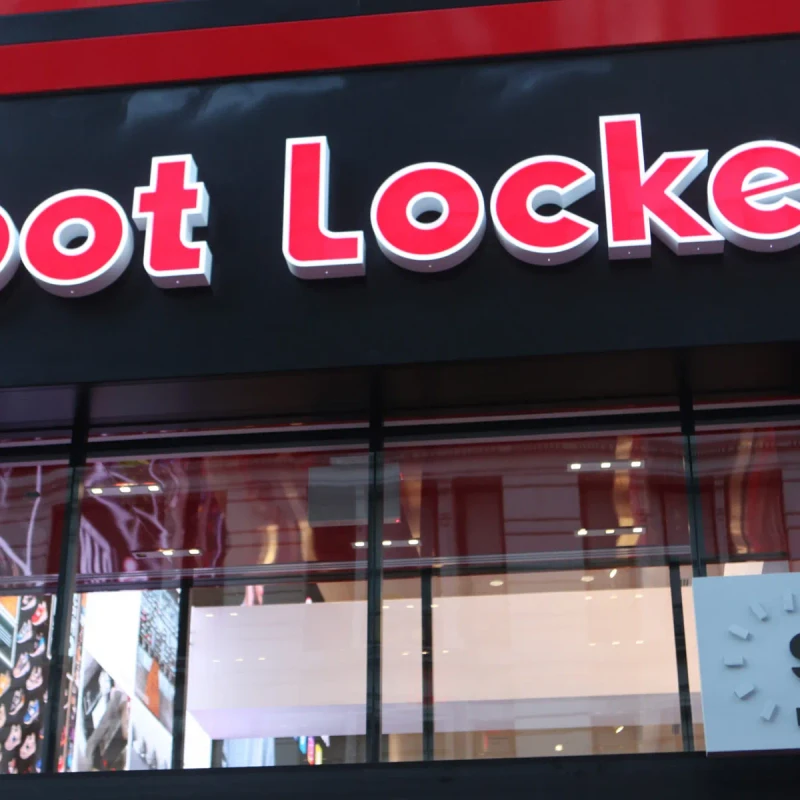
Get ready for a major shake-up in the sneaker world! Foot Locker is embarking on a significant retail reset, and that means a large number of stores are slated for closure. This move comes as the company navigates a challenging retail landscape and transitions under new ownership.
Following a period of slower sales and declining mall traffic, Dick’s Sporting Goods, the new owner, has deemed these closures necessary for long-term stability. While the transition is expected to bring some losses, the plan aims to streamline the business and create a more focused retail strategy.
A Shift in Retail Strategy
Foot Locker had already been planning to reduce its physical footprint, but this acquisition has accelerated those plans. Many of the stores slated to close are older locations within malls that have struggled for years. The focus will now shift to keeping stronger locations open and updating them to align with modern retail trends.
This strategic shift is crucial in today’s market, where brands are increasingly selling directly to consumers. The traditional model of Foot Locker as the primary destination for exclusive sneaker drops is evolving rapidly.
Impact on Sneaker Culture
For years, Foot Locker was more than just a store; it was a hub for sneaker culture. It was the place where enthusiasts lined up for limited releases, and resellers gathered on sidewalks, creating a unique energy around launch days. This familiar routine is set to change dramatically with fewer physical locations.
While some cities might lose direct access to in-person releases, Foot Locker isn’t abandoning physical retail entirely. The company plans to open new concept stores in select areas, focusing on curated selections, updated layouts, and cleaner inventory. The goal is to create an experience that resonates with today’s consumers, moving away from the old, less efficient model.
A New Chapter for Foot Locker
These closures mark the end of a significant chapter for Foot Locker. Many neighborhoods developed a local culture around their nearby store, a history that won’t be replicated in the same way. The brand is now entering a new phase, shaped by a faster-paced market, increased online demand, and a more selective approach to its physical presence.
This strategic pivot reflects the broader changes in the retail industry, emphasizing efficiency and a more targeted customer experience. It will be interesting to see how these new concept stores and a refined inventory strategy shape the future of Foot Locker.
What do you think about these upcoming Foot Locker store closures? How will this impact your sneaker shopping habits? Let us know in the comments below!
Leave a Reply