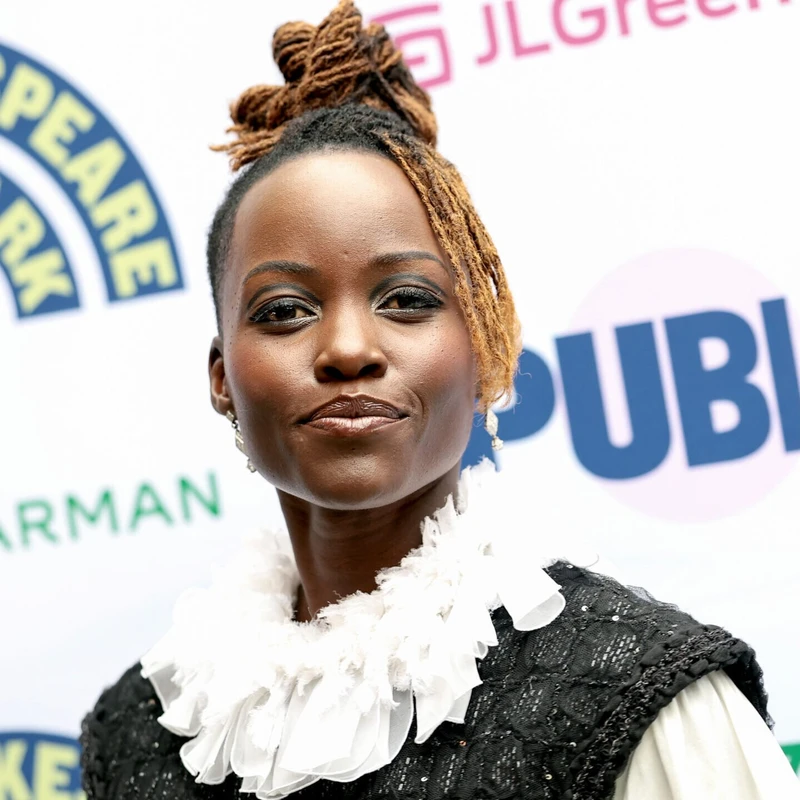
Winning an Oscar is a dream for many actors, often seen as a golden ticket to a world of diverse and exciting opportunities. However, for Lupita Nyong’o, her Academy Award win for “12 Years a Slave” led to a surprisingly narrow path. The acclaimed actress recently shared that after her groundbreaking performance, Hollywood’s offers were overwhelmingly limited to playing similar roles.
The Oscar Paradox: More Offers, Same Roles
Nyong’o, who won the Oscar for Best Supporting Actress in 2014 for her very first film role, expected her career to open up. Instead, she found herself inundated with offers to play enslaved characters again. “Oh, Lupita, we’d like to play you to play another movie where you’re a slave, but this time, you’re on a slave ship,’” she recalled receiving in an interview with CNN.
This experience occurred during a sensitive time, with many think pieces questioning the future career prospects for dark-skinned Black, African women in Hollywood. Nyong’o explained that she had to tune out the noise, stating, “I’m not a theory. I’m an actual person.”
Echoes of Past Struggles: Berry and Davis
Nyong’o’s story is sadly not unique. Other prominent Black actresses have spoken out about the challenges they face in Hollywood, even after achieving major accolades. Halle Berry, the first and only Black woman to win the Best Actress Oscar, has shared that her award sometimes made things harder, with immense pressure to live up to expectations.
Viola Davis, who won a Best Supporting Actress Oscar in 2017, has also been candid about the scarcity of roles for Black women, particularly for darker-skinned actresses. She noted in the Apple TV documentary “Number One on The Call Sheet” that even with specific intentions, finding suitable roles is incredibly difficult because “those roles don’t even exist.”
Choosing Roles with Intention
Like Berry, Davis, and many others, Nyong’o understands the broader impact of her career choices. She is unapologetically intentional about the roles she accepts, aiming to challenge stereotypes. “I like to be a joyful warrior for changing the paradigms of what it means to be African,” she shared.
For Nyong’o, turning down roles that perpetuate harmful stereotypes is a conscious decision, even if it means working less frequently. Her commitment is to ensure she’s not contributing to the limited and often damaging expectations placed on people from her continent. It’s a powerful stance that prioritizes representation and authenticity over quantity.
What do you think about Lupita Nyong’o’s decision to refuse certain roles? How important is it for actors to be intentional about the stories they tell? Share your thoughts in the comments below!
Leave a Reply