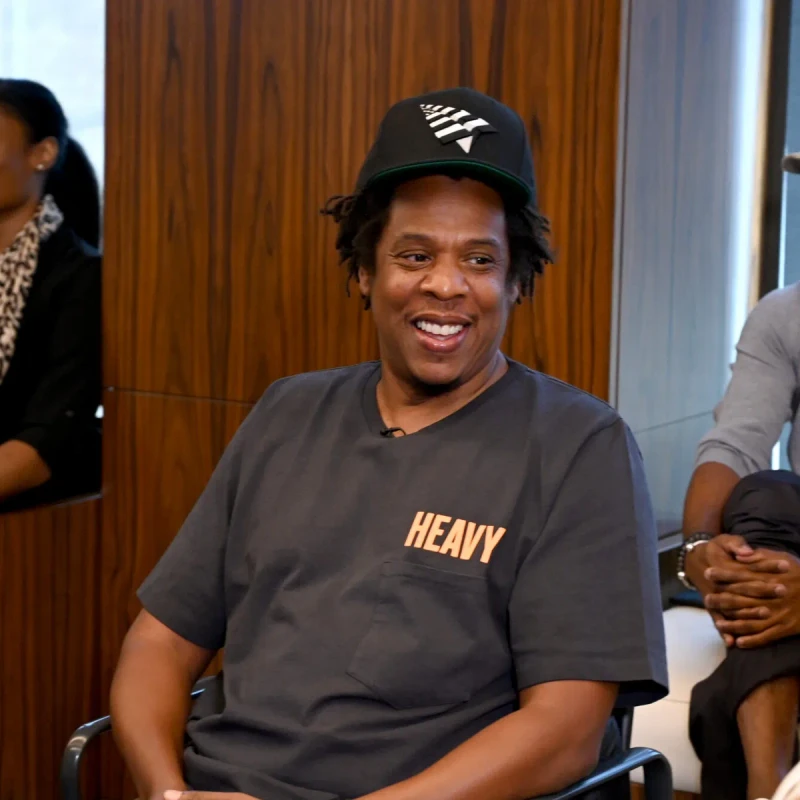
Big news for independent musicians! Jay-Z’s powerhouse company, Roc Nation, has just launched a new music distribution service, and it’s already sparking conversations. They’re rolling out a free, web-based dashboard designed to give independent artists the tools they need to succeed in today’s music landscape.
What is Roc Nation Distribution?
Think of it as a one-stop shop for artists who aren’t signed to a major label. Roc Nation Distribution allows anyone to upload their songs and distribute them to over 200 streaming platforms worldwide. But it’s more than just uploading tracks; the service also provides access to fan analytics and helps manage royalties, all from a single, convenient dashboard.
Roc Nation is emphasizing that artists will keep full ownership of their masters and retain a significant 85% of their earnings. The platform takes a 15% commission. They’re touting features like real-time streaming data, social media insights, automatic payouts, and tools for splitting revenue with collaborators. It’s essentially offering label-level insights to independent creators.
Empowering Creators: The Roc Nation Vision
Roc Nation has always positioned itself as “artist-first,” and Jay-Z’s vision for the company has always been about more than just music. This new distribution service is seen as a natural evolution, especially as more artists opt for distribution deals over traditional record contracts. It’s about providing the necessary tools for artists to thrive in the current industry climate.
Krystian Santini, President of Roc Nation Distribution, stated, “Our technology is uniquely ours and sets a new standard with no equivalent in today’s music industry.” The goal is to democratize access to data and tools that were once exclusive to major label superstars, helping artists build impactful strategies and expand their reach without financial barriers.
How the Dashboard Works
The new dashboard is the core of the service. It offers real-time streaming statistics and audience data, but it also dives deep into brand potential through social media analytics. This includes tracking mentions, hashtags, emojis, and overall sentiment across platforms like TikTok, Instagram, X (formerly Twitter), and Facebook. This holistic view is crucial for content creation and streaming success.
Financially, the platform simplifies royalty payments and collaborator splits, with direct deposit options to bank accounts or PayPal. This integration aims to make the business side of music more manageable for independent artists.
Comparing Roc Nation to Competitors
Roc Nation’s 85/15 split is quite different from many other popular indie distribution services. For example, DistroKid, TuneCore, and UnitedMasters typically allow artists to keep 100% of their royalties, though they often charge annual or per-release fees. DistroKid’s basic plan is around $25/year for unlimited releases, while TuneCore charges per single/album annually. UnitedMasters offers a basic plan for $19.99.
While Roc Nation has no upfront fees, that 15% commission is a key difference. It positions their model closer to an equity distribution deal. Competitors might offer additional services like sync licensing (TuneCore, CD Baby) or brand partnerships (UnitedMasters), which Roc Nation is still developing. However, Roc Nation’s strength lies in its established brand name and its comprehensive analytics dashboard.
Analytics: A Deeper Dive
How does Roc Nation’s dashboard stack up against the native analytics from Spotify, Apple Music, and TikTok? Spotify for Artists provides detailed listening metrics and demographics. Apple Music for Artists offers plays, listener counts, and geographic trends. TikTok’s tools focus on video usage and engagement.
Roc Nation’s dashboard aims to consolidate these insights. It offers real-time streaming data alongside integrated social metrics, providing a broader picture of fan engagement. However, it doesn’t directly feed into Spotify or Apple’s editorial systems or offer TikTok creative prompts like the native platforms do. It offers a holistic social context on top of streaming data, which is its unique selling point.
Empowerment or Exploitation? The Debate
Despite Roc Nation’s claims of empowerment, some critics are skeptical. Rapper Russ, a vocal advocate for independent artists, slammed the 15% commission, calling it “madness” and noting it’s similar to what major labels take. He argued that for many artists, it doesn’t make sense compared to other options.
However, other artists, like Symba, have defended the service, suggesting that the 85/15 split could be more beneficial for smaller artists who haven’t yet gained significant traction. Ultimately, the value proposition depends on an artist’s specific needs and goals. Roc Nation’s brand power and integrated analytics are certainly attractive, but the revenue split is a significant factor to consider.
What are your thoughts on Roc Nation’s new distribution service? Do you think the 85/15 split is a fair trade for the tools and brand backing? Let us know in the comments!
Leave a Reply