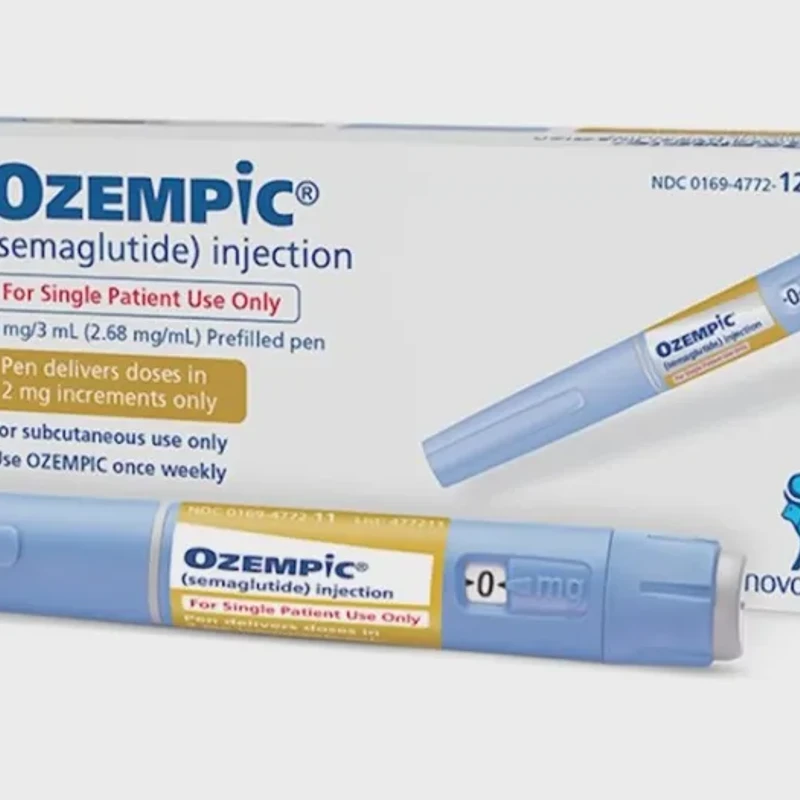
You’ve probably heard about Ozempic and Wegovy for weight loss, but what if these popular GLP-1 medications could also be a game-changer in the fight against colon cancer? Exciting new research from the University of California, San Diego, is pointing towards a significant link between these drugs and lower death rates in patients battling colon cancer. It’s a development that could offer a glimmer of hope for many.
Surprising Survival Statistics
This isn’t just a hunch; the study analyzed the health records of over 6,800 individuals diagnosed with colon cancer. The findings were quite striking: patients who were using GLP-1 receptor agonists had a five-year mortality rate of just 15.5 percent. Compare that to a much higher 37.1 percent for those not on these medications, and you can see why researchers are so interested.
What’s particularly fascinating is that this survival boost seemed even more pronounced in patients with a BMI over 35. This suggests that factors like weight and overall metabolic health play a crucial role in how these GLP-1 drugs might be impacting cancer outcomes, going beyond their known effects on diabetes and obesity.
How Might These Drugs Work?
Researchers theorize that GLP-1 drugs could help combat the inflammatory and metabolic conditions that often make colon cancer prognosis worse. There’s even some preliminary evidence from other studies suggesting these medications might directly inhibit tumor growth. It’s a multi-faceted potential benefit that’s definitely worth exploring further.
These results suggest that GLP-1 drugs may help counteract inflammatory and metabolic conditions that worsen colon cancer prognosis. — UC San Diego Researchers
The Need for More Research
While these observational findings are incredibly promising, the UC San Diego team emphasizes that more rigorous research is needed. They are advocating for clinical trials to definitively determine if GLP-1 medications could be incorporated as a viable treatment option for colon cancer. This is a critical next step to move from observation to application.
Colon cancer remains a significant health challenge, with the American Cancer Society estimating over 107,000 new cases in 2025 alone. This study opens up exciting new avenues, particularly for individuals facing the dual challenge of obesity and colon cancer, potentially offering a new layer of therapeutic strategy.
What are your thoughts on this groundbreaking research? Do you think GLP-1 medications could become a standard part of colon cancer treatment? Share your opinions in the comments below!
Leave a Reply