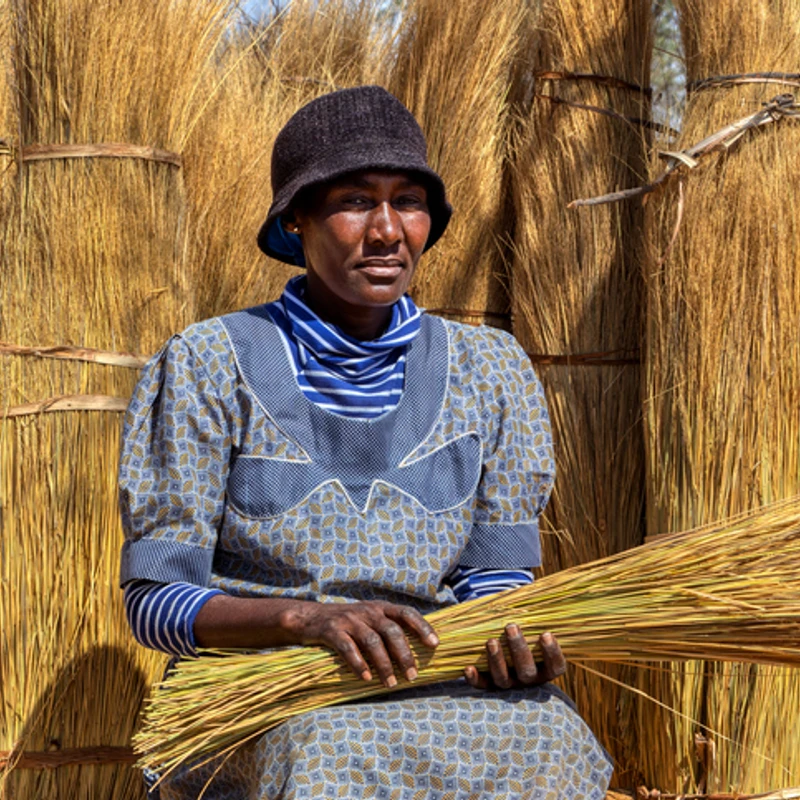
We often think of beauty trends as modern inventions, but the truth is, our ancestors were masters of natural beauty. Long before fancy formulations and high-tech gadgets, they used ingredients from the earth to protect their skin, nourish their hair, and even shield themselves spiritually. These timeless practices prove that our ancestors truly did it first.
Harnessing Nature’s Bounty
From skincare rooted in survival to multi-purpose products, our ancestors ingeniously utilized everyday ingredients. They turned to the earth for protection against environmental harshness and negative spiritual influences. Today, ingredients like African black soap, shea butter, and baobab oil are staples in our beauty products, but their ancestral uses were far more profound and integrated into daily life.
As Maya Angelou wisely said, “You can’t really know where you are going until you know where you have been.” Understanding these ancestral beauty practices not only enriches our appreciation for these natural resources but also allows us to rightfully reclaim and pass down this valuable heritage for future generations.
Exploring Ancestral Beauty Ingredients
- **African Black Soap:** Originating in West Africa, this soap is handmade from roasted plantain skins, cocoa pods, palm oil, and shea butter. It’s known for its gentle cleansing properties and relief from skin conditions like acne and eczema. Traditionally, it was also used for therapeutic purposes and held significant cultural and trade value.
- **Aloe Vera:** Revered across Africa and beyond, aloe vera gel’s anti-inflammatory and hydrating properties were used by ancestors to soothe wounds and burns. It also served medicinal purposes for digestive issues and held spiritual significance in cleansing rituals.
- **Argan Oil:** Hailed as “liquid gold” from Morocco, this oil is packed with vitamins, minerals, and antioxidants. Traditionally extracted by Berber women, it was used to combat aging signs, improve skin and hair health, and played a role in wedding rituals, empowering local women.
- **Baobab Oil:** Derived from Africa’s “Tree of Life,” this oil is rich in vitamins A, D, and E. Passed down through oral tradition, it moisturizes skin, heals wounds, soothes irritations, and held ceremonial importance, with its seeds even used for necklaces.
- **Cocoa Butter:** A ritual passed down through generations, cocoa butter moisturizes skin, reduces stretch marks, and was used medicinally. Cacao itself was considered divine, used in ceremonial drinks reserved for nobility.
- **Honey:** Beyond its use in food and drink, honey was mixed with other ingredients for hair masks to promote healthy tresses and manage scalp conditions. Among West African peoples, raw honey hydrated dry skin and provided a natural glow. It also served spiritual purposes as an offering and was used in ceremonies symbolizing sweetness and healing.
- **Moringa Oil:** From the resilient “miracle tree,” this oil serves as a skin protectant, moisturizer, and healing agent. Crushed seeds treated skin ailments, and the tree itself symbolized resilience and life in spiritual practices.
- **Rhassoul Clay:** This mineral-rich clay from Morocco was used to detoxify and purify the skin and hair, improving texture. Its name derives from the Arabic word for “to wash,” highlighting its cleansing power.
- **Shea Butter:** A long-standing staple, shea butter moisturizes, protects skin from the sun, treats skin conditions, conditions hair, and even acts as a nasal decongestant. It was viewed as a sacred symbol of healing and resilience and used as a cooking fat.
- **Turmeric:** Traditionally used as a remedy for bites and stings, turmeric also reduces dark circles and combats acne. It was used in religious ceremonies for coloring robes and as a face mask for special occasions, with Black turmeric believed to ward off evil spirits.
Reclaiming Our Roots
These natural ingredients are more than just beauty products; they are links to our past, embodying resilience, wisdom, and a deep connection to the earth. By understanding and utilizing them, we not only enhance our own beauty rituals but also honor the ingenuity and legacy of our ancestors. As we continue to explore these timeless practices, we rightfully reclaim a part of our heritage that has always been ours.
Which of these ancestral beauty ingredients do you use or want to try? Share your favorite natural beauty secrets in the comments below!
Leave a Reply