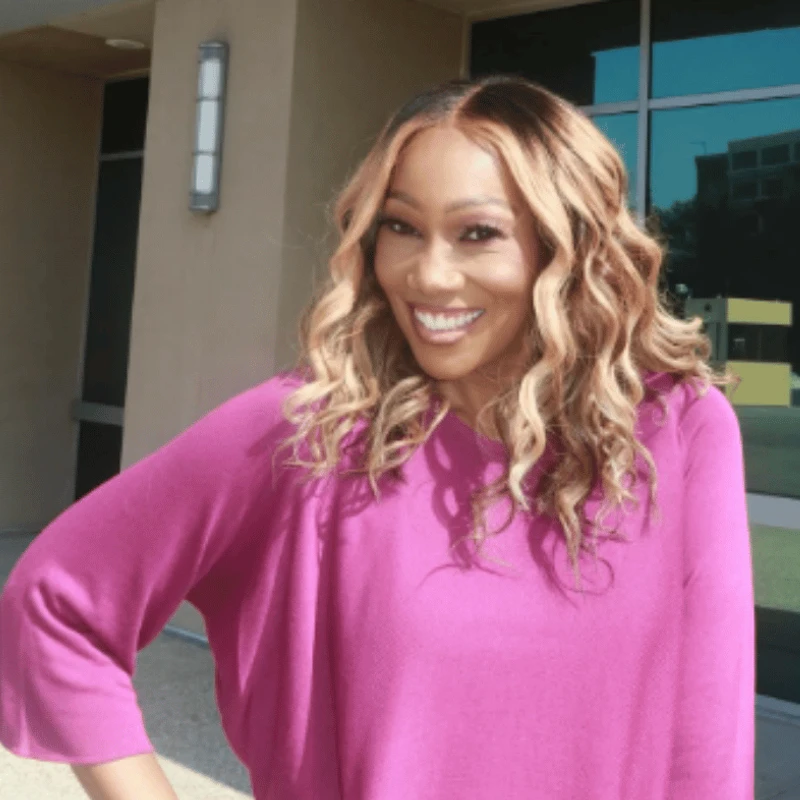
Get ready for a conversation that’s stirring up quite a buzz! Gospel music legend Yolanda Adams recently dropped some thoughts that have everyone talking, suggesting that maybe, just maybe, we’ve been thinking about God in a too-limited way. She’s challenging the traditional pronouns we use and inviting us to consider a divine being beyond our human boxes.
Beyond ‘He’ or ‘She’: Adams’ Perspective
During a recent TikTok livestream with creator The Kristiana Smith, Yolanda Adams shared her perspective that God isn’t confined to the labels of ‘he’ or ‘she.’ She explained that God is spirit, something far greater and more expansive than our earthly language can fully capture. It’s a powerful idea that encourages us to look beyond conventional definitions.
Adams believes that our tendency to assign gender to God often reflects our own upbringing and societal norms rather than an inherent truth about the divine. She questioned how we can claim to love God while simultaneously harboring hate towards others, emphasizing the interconnectedness of love and creation.
Love, Hate, and Divine Inclusivity
The Grammy-winning artist didn’t shy away from connecting faith with action, posing a thought-provoking question: ‘I can tell how much your God loves by the people you hate.’ This statement challenges followers to examine their own actions and how they align with the principles of love and acceptance often associated with divine teachings.
Adams further illustrated her point by referencing the incredible diversity found in nature, like the myriad of flower species, as proof of God’s boundless creativity and inclusive nature. She expressed her frustration with those who claim to love God but then show animosity towards fellow human beings, whom she refers to as God’s sons and daughters.
Reactions: Debate and Support
As expected, Adams’ comments sparked a lively debate across social media. While some found her perspective challenging to traditional beliefs, many others, particularly within the LGBTQIA+ Christian community, expressed strong support. For years, this community has faced scrutiny from some religious institutions, making Adams’ inclusive message resonate deeply.
Her words have opened up a crucial dialogue about how we understand and relate to the divine, encouraging a more compassionate and expansive view of spirituality. It’s a reminder that faith can evolve and adapt, fostering greater understanding and unity.
What are your thoughts on Yolanda Adams’ perspective? Does the idea of a genderless God resonate with you? Share your views in the comments below!
Leave a Reply