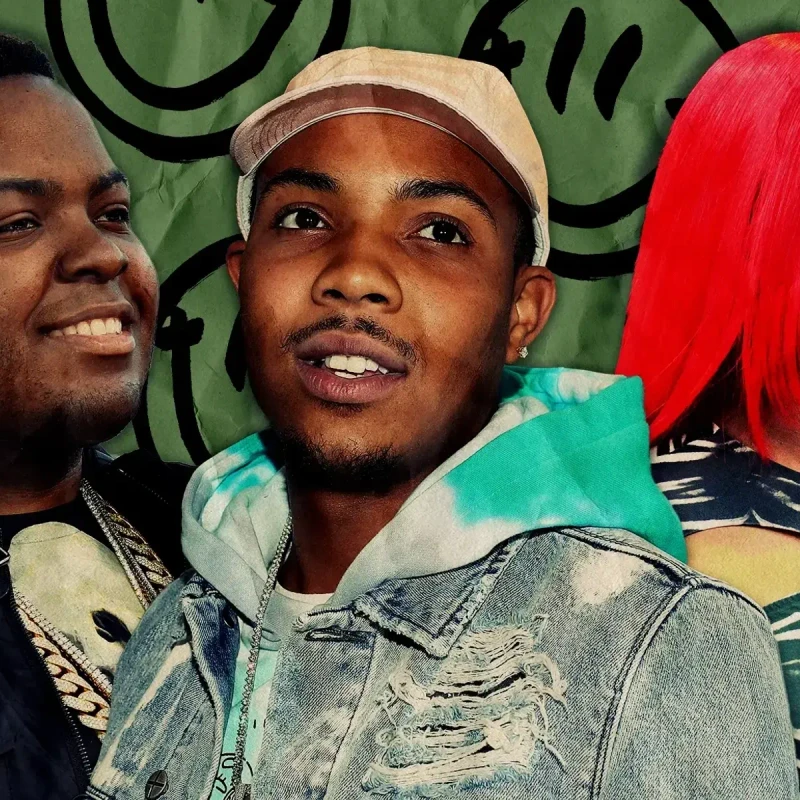
In hip-hop, flexing wealth is a core part of the genre’s visual language – think gold chains, luxury cars, and designer everything. But for some artists, this aspirational lifestyle has blurred the lines between aspiration and illegal activity, leading to accusations of fraud and scams. The pressure to maintain a rich image in the industry, fueled by social media and label expectations, can be immense, sometimes pushing artists towards desperate measures.
The Pressure to Appear Rich
Streaming revenue alone often isn’t enough to sustain the lavish lifestyles expected in hip-hop. Advances can disappear quickly due to taxes, entourages, and the need for constant, high-impact content to feed the algorithm. For many emerging artists, the gap between their financial reality and the demanded aesthetic is vast, making fraud and scams seem like a strategic shortcut to survival and access within the elite circles of hip-hop.
While some artists manage to maintain the illusion, the evidence often stacks up, leading to federal indictments. What begins as a flex can tragically end in a courtroom. These cases highlight the collision of capitalism and culture in an industry where success is often judged by appearance first.
Notable Cases of Fraud and Scams in Hip-Hop
Several artists have found themselves entangled in legal battles due to fraud allegations:
- **JT (City Girls):** In 2018, Jatavia Johnson, known as JT, began a 24-month prison sentence for aggravated identity theft and fraudulent credit card use. She was convicted of using stolen personal information for unauthorized credit card purchases totaling thousands of dollars. Her sentencing occurred just as the City Girls were gaining mainstream success, but her groupmate Yung Miami kept the duo’s momentum going until JT’s release.
- **G Herbo:** In 2020, Chicago rapper Herbert Wright III faced a 14-count federal indictment. Prosecutors accused him and his crew of using stolen IDs and card data to fund luxury purchases, including private jets, villas, and designer puppies. In 2023, G Herbo pleaded guilty to one count of wire fraud and making false statements, receiving probation, restitution, and community service.
- **Guerilla Black:** Charles Tony Williamson, once marketed as the “second coming of Biggie,” pleaded guilty in 2013 to trafficking over 27,000 stolen credit card numbers. His scheme involved hacking into point-of-sale systems. He was sentenced to over nine years in federal prison.
- **Willie D:** The Geto Boys member was accused of operating a fraudulent online storefront that promised high-end electronics but never delivered the merchandise. The scheme reportedly defrauded overseas buyers of nearly $200,000. Willie D pleaded guilty and received just over a year in federal prison, along with restitution and supervised release.
- **Sean Kingston:** In May 2024, Sean Kingston was arrested following accusations of defrauding multiple businesses through elaborate wire fraud schemes. He and his mother allegedly promised wire payments for high-end goods like electronics, watches, and furniture, which never materialized. Kingston pleaded guilty to federal wire fraud in August 2024 and was sentenced to 42 months in prison.
- **NBA YoungBoy:** Authorities in Utah accused NBA YoungBoy of running a prescription fraud ring involving fake doctors and forged medical documents to illegally obtain prescription drugs. While he avoided prison time, he pleaded no contest to identity fraud and forgery, paid a $25,000 fine, and received supervised release.
The Cost of the Hustle
These cases illustrate the high stakes involved when the pressure to project success in hip-hop leads to illegal activities. The consequences range from probation and restitution to lengthy prison sentences. Beyond the legal penalties, the cost includes damaged trust, tarnished credibility, and sometimes, freedom itself. Despite these risks, the allure of the elite aesthetic in hip-hop continues to drive some artists down a dangerous path.
What are your thoughts on the pressures artists face to appear wealthy? Do you think these fraud cases reflect a larger issue in the music industry? Share your opinions in the comments below!
Leave a Reply