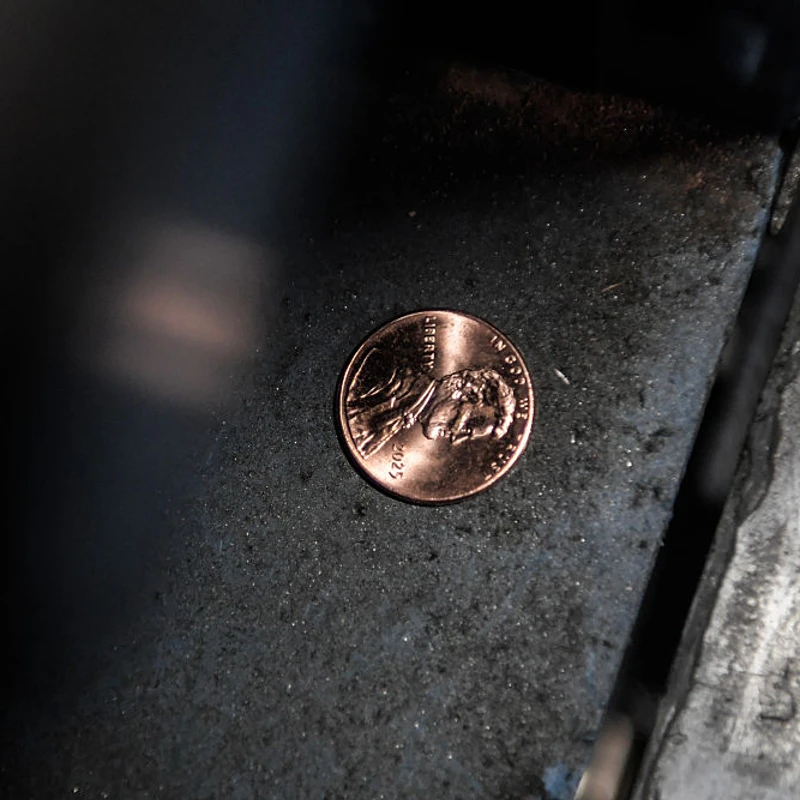
Get ready for a change in your pocket change! After more than 200 years of circulation, the United States has officially stopped minting pennies. The last 1-cent coin rolled off the production line at the U.S. Mint in Philadelphia on Wednesday, November 12, 2025. This marks the end of an era for a coin that’s been a part of American life since 1793.
Why Say Goodbye to the Penny?
The decision to phase out the penny, ordered by President Donald Trump in February 2025, stems from a simple economic reality: it costs more to make a penny than it’s worth. Production costs had soared to nearly 4 cents per coin, a fact Trump highlighted as a significant waste of taxpayer money. He instructed the Secretary of the Treasury to halt production, aiming to trim waste from the national budget, ‘even if it’s a penny at a time.’
U.S. Treasurer Brandon Beach marked the occasion, stating, ‘God bless America, and we’re going to save the taxpayers $56 million.’ He noted that the half-cent coin was the last to be discontinued, back in 1857. While no new pennies will be minted, existing ones will remain legal tender.
Retailers and Rounding Up
The phase-out, however, has felt abrupt for many retailers, with limited government guidance on how to handle transactions. As penny supplies dwindle, some stores are implementing rounding strategies. Options include rounding prices down to avoid shortchanging customers, asking for exact change, or even offering small incentives for customers to give up their spare pennies.
Brandon Sheridan, an economics professor at Elon University, explained to USA Today that some businesses are encouraging customers to round up their totals for charitable donations, while others are rounding down for everyone. This transition highlights the practical challenges of removing a long-standing currency from circulation.
The Penny vs. Other Coins
Ironically, despite its high production cost, the penny still boasts a better cost-to-value ratio than the nickel. According to AP reports, nickels cost nearly 14 cents to produce, while dimes cost under 6 cents and quarters around 15 cents. This comparison underscores the broader issue of coin production costs.
We have been advocating abolition of the penny for 30 years. But this is not the way we wanted it to go. — Jeff Lenard, National Association of Convenience Stores
Advocates for the penny’s abolition, like Jeff Lenard of the National Association of Convenience Stores, have been pushing for this change for decades. While they welcome the move, they express that the abrupt implementation wasn’t their preferred method.
What do you think about the discontinuation of the penny? How will this affect your shopping habits? Share your thoughts in the comments below!
Leave a Reply