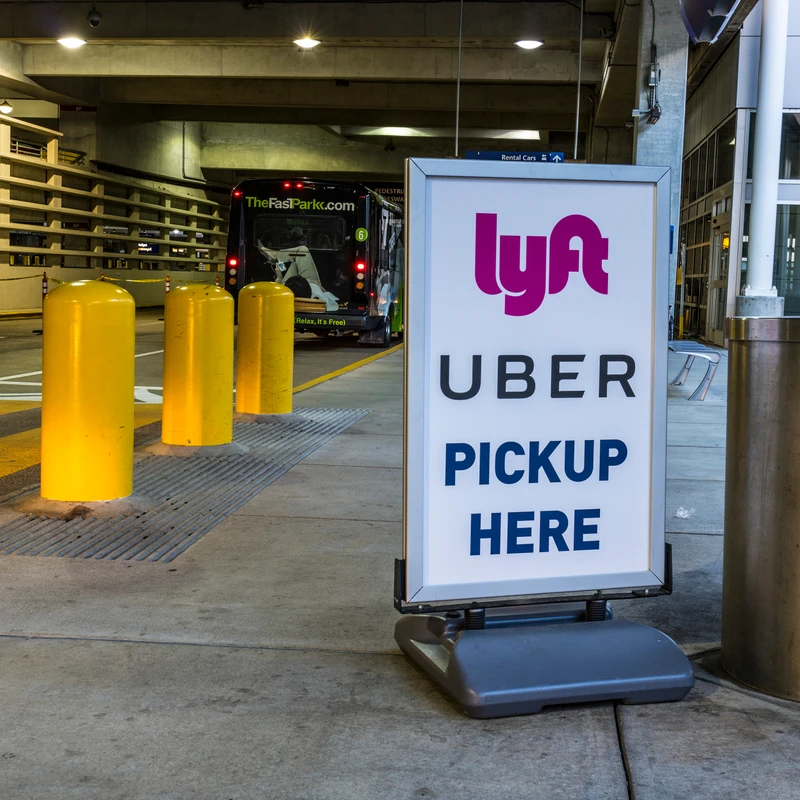
It’s a complex issue hitting the rideshare world: male drivers are suing both Uber and Lyft, arguing that the companies’ initiatives allowing female passengers to request women drivers are discriminatory. These lawsuits claim that features like Uber’s Women Preferences and Lyft’s Women+ Connect unfairly limit earning opportunities for male drivers.
Drivers Allege Discrimination and Lost Earnings
The core of the lawsuits, filed as dual class-action cases, is the allegation that male drivers “are discriminated against and receive fewer and different rides than they otherwise would absent the policy.” Lawyers for the plaintiffs also argue that these policies reinforce harmful gender stereotypes, suggesting that men are inherently more dangerous than women. The suits cite violations of California’s Unruh Civil Rights Act, which prohibits businesses from discriminating based on sex, and are seeking $4,000 in damages for each affected male driver in the state.
However, some female passengers see these features as crucial for their safety. Celeste Juarez, a regular user of Uber’s Women Preferences, shared with TIME that she’s had uncomfortable experiences with male drivers in the past. She believes the lawsuits are “misguided” and that the option provides essential peace of mind, reducing anxiety about safety and unwanted advances when traveling alone, especially late at night.
Context: A History of Safety Concerns
These women-only ride options come in the wake of numerous sexual harassment and assault allegations against both Uber and Lyft. AFROTECH™ has previously reported on lawsuits filed against Lyft detailing physical and sexual assaults, with one attorney describing it as a “nationwide crisis” due to the company’s alleged failure to protect users. Uber’s own safety reports have also highlighted thousands of reports of serious sexual assault and misconduct, with drivers being accused in the vast majority of cases.
Lyft’s Women+ Connect program, launched nationwide in February 2024 after a pilot phase, aims to connect women and nonbinary riders with drivers of the same gender. Lyft CEO David Risher stated it was developed because “Drivers and riders asked for it” and that it enhances rideshare for everyone by improving the experience for women and nonbinary individuals. Similarly, Uber introduced its Women Rider Preference in July 2025, allowing female drivers and passengers to opt for same-gender matches, a feature already available in 40 countries.
This is a complex situation balancing safety and potential discrimination. What are your thoughts on the lawsuits against Uber and Lyft? Should these women-only ride options be allowed to continue? Share your views in the comments below!
Leave a Reply