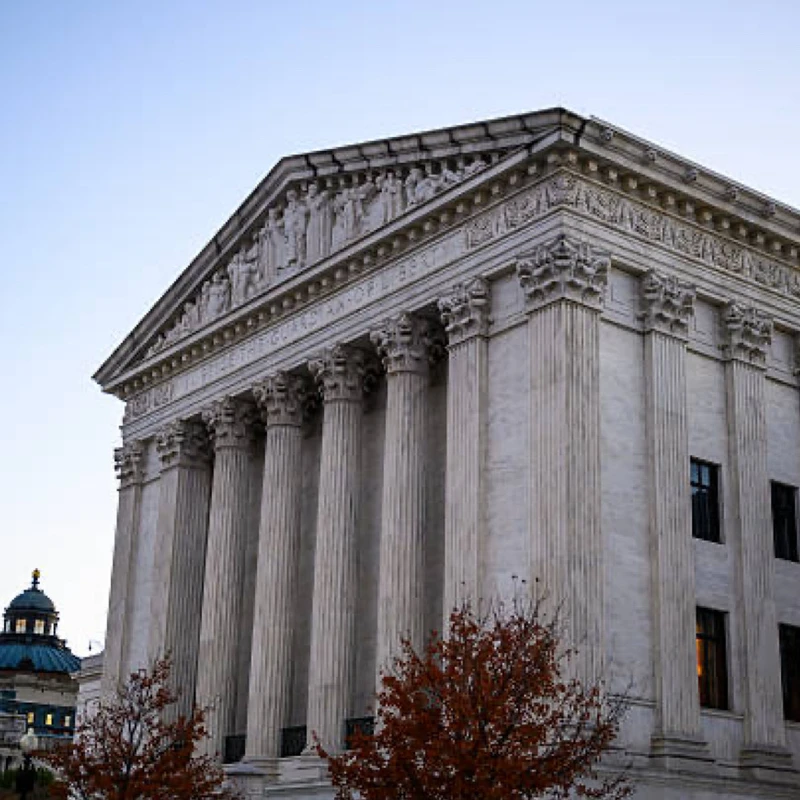
In a significant move for LGBTQ+ rights, the Supreme Court has quietly decided not to hear an appeal that sought to overturn its landmark 2015 ruling, Obergefell v. Hodges, which legalized same-sex marriage nationwide. This means marriage equality remains firmly protected across the United States.
Kim Davis’s Defiance and the Supreme Court’s Rejection
The case originated from Kim Davis, a former Kentucky county clerk who famously refused to issue marriage licenses to same-sex couples, citing her Christian faith. Her defiance led to legal battles and a contempt charge, resulting in her being ordered to pay over $360,000 in damages and attorney’s fees to a couple she denied service. Davis’s legal team had hoped the Supreme Court would reconsider the Obergefell decision, but the court’s refusal to take up her case ensures the current protections stand.
This decision prevents the reopening of the same-sex marriage debate at the highest level, offering stability to countless couples and families who have built their lives based on marriage equality.
Justices’ Stances on Marriage Equality
Justice Clarence Thomas, who was one of the four dissenters in the original 2015 ruling, has repeatedly questioned the constitutional basis for same-sex marriage. His stance keeps LGBTQ+ advocates vigilant during new court sessions. Chief Justice John Roberts and Justice Samuel Alito, who also dissented, have expressed continued disagreement but have acknowledged the potential chaos that overturning the decision could cause for established families.
Justice Amy Coney Barrett, who was not on the bench in 2015, has drawn a distinction between marriage rights and abortion rights. While she has noted the court’s ability to “fix its mistakes,” referencing the overturning of Roe v. Wade, she has also pointed out that “people have built their lives around” the marriage equality decision. This suggests a recognition of the profound social and legal impact that reversing such a decision would have.
The Lasting Impact of Kim Davis’s Defiance
Kim Davis’s refusal to issue marriage licenses in 2015 made her a polarizing figure. For some conservatives, she became a symbol of religious freedom under attack, while for others, her actions highlighted the consequences of clashing personal beliefs with constitutional rights. Even today, the court’s latest decision means the financial penalties against her remain in effect.
What are your thoughts on the Supreme Court’s decision to uphold same-sex marriage rights? Share your perspective in the comments below!
Leave a Reply