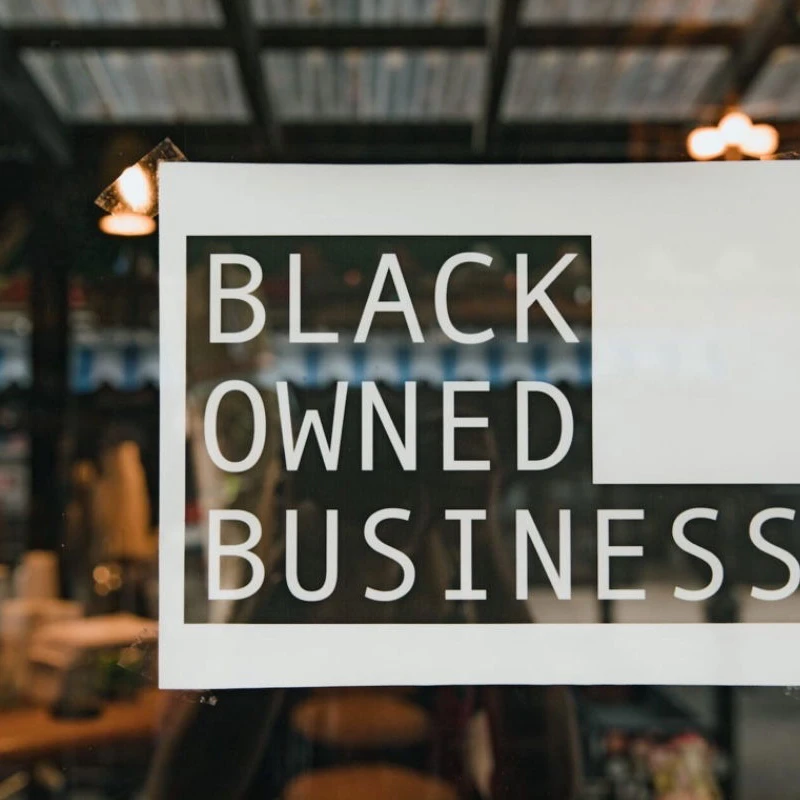
Philadelphia has launched initiatives aimed at boosting its business landscape, including a $5 million grant program. However, a recent report from The Pew Charitable Trusts indicates that despite growth in Black business ownership over the past decade, the city still lags behind its major metropolitan peers.
A Look at the Numbers
The report, released on November 5, compared Philadelphia to 12 other major U.S. counties, including Baltimore, Denver, Washington D.C., and New York, examining data from 2012 to 2022. While Philadelphia’s overall business density increased from 82 to 111 per 1,000 residents during this period, it remains below the national average of 129 per 1,000.
Kriston Jae Bethel, the report’s lead author, emphasized that improving business ownership is intrinsically linked to access to crucial networks, capital, and opportunities that enable businesses to thrive and endure. This suggests that simply launching businesses isn’t enough; sustained support is key.
Strategies for Inclusive Entrepreneurship
Sara Williams, executive director of the African American Chamber of Commerce of Pennsylvania, stated that closing the racial and gender gaps in business ownership requires more than isolated grants or tax breaks. The goal, she explained, is to build a durable ecosystem that supports long-term success.
To address the decline in small business numbers and promote inclusivity, Philadelphia introduced the $5 million Philadelphia Small Business Catalyst Fund. This initiative offers grants of up to $50,000 to firms with annual revenues under $2 million, provided they can demonstrate potential for growth and a positive local economic impact.
Measuring Success Beyond Launch
Mayor Cherelle L. Parker highlighted that the fund’s purpose extends beyond simply issuing grants; it’s about ‘accelerating success.’ The aim is to empower entrepreneurs of color to build firms that create jobs and generate wealth across generations. Success is measured not only by the number of businesses launched but crucially, by their longevity and ability to scale up.
Achieving true equity in business ownership will necessitate this layered approach. With dedicated funding and strategic policy initiatives, Philadelphia has the potential to create meaningful change and improve its standing among peer cities in fostering inclusive entrepreneurship.
- Philadelphia’s Black business ownership growth lags behind peer cities.
- A Pew Charitable Trusts report analyzed data from 2012-2022.
- The city launched a $5 million Small Business Catalyst Fund.
- Grants up to $50,000 are available for eligible businesses.
- Focus is on sustainable growth and long-term economic impact.
By implementing these layered strategies, Philadelphia is working towards building a more robust and equitable entrepreneurial landscape for all its residents.
What strategies do you think are most effective in boosting Black business ownership? Share your insights in the comments below!
Leave a Reply