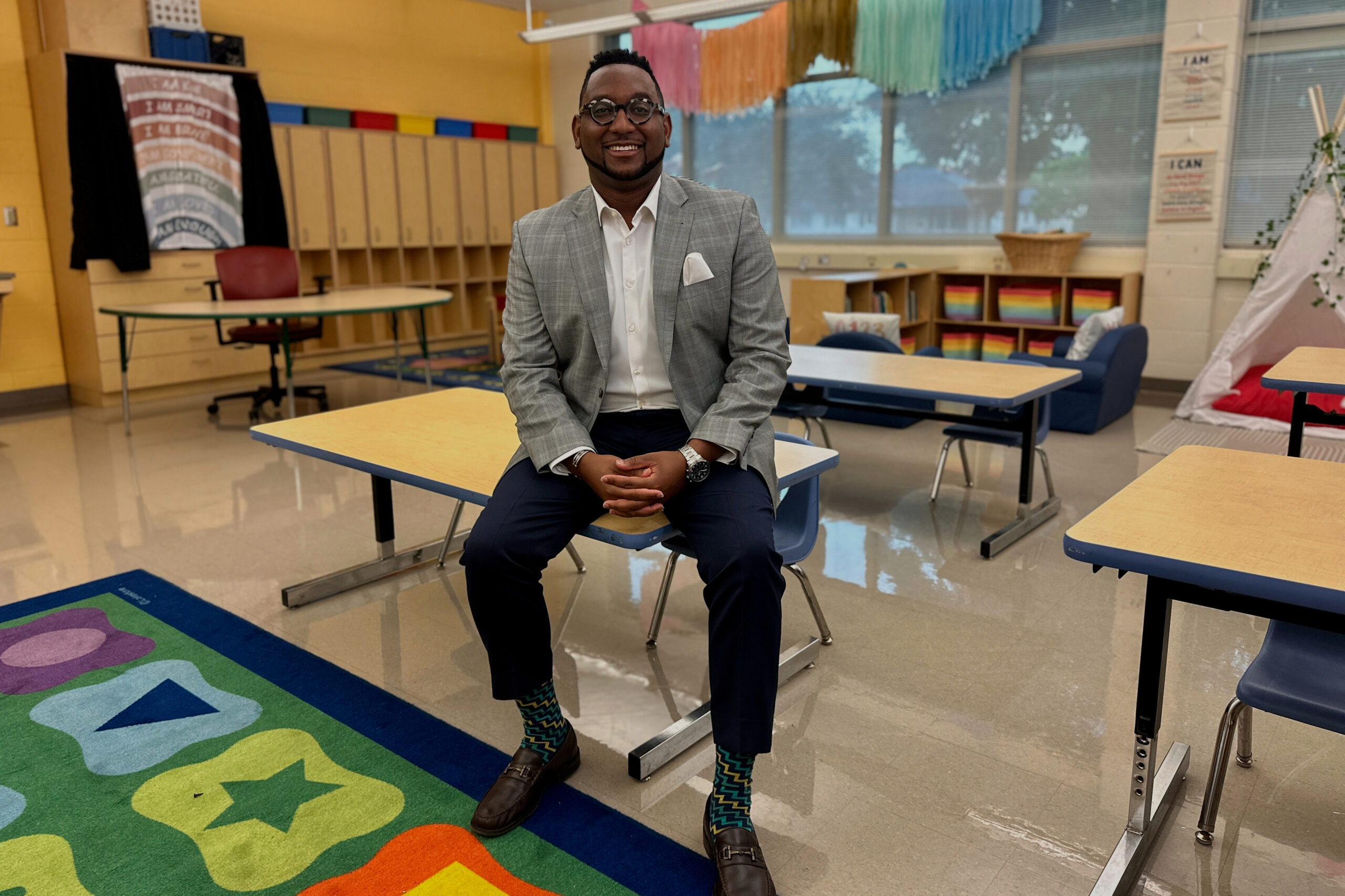
Twenty years ago, Hurricane Katrina devastated New Orleans, fundamentally reshaping its education system and the lives of those within it. The storm’s aftermath led to the destruction of the city’s school district, which was subsequently rebuilt as the nation’s first and only all-charter school district. Three educators share their personal accounts of navigating this tumultuous period, offering valuable lessons for today’s educators facing similar crises.
Finding Inspiration in Crisis: Chris Dier’s Story
Chris Dier, now a history teacher at Benjamin Franklin High School, was a high school senior in Chalmette when Katrina struck. Evacuated to Texas, he experienced firsthand the kindness of educators who provided support during a time of immense loss. “I remember Coach Propes… Mrs. Rains… Ms. Pellon… Mr. McGinnis,” Dier recalls, naming teachers who offered supplies, tutoring, and a sense of belonging. “They made me feel welcome. They made me feel like I belong.”
Initially, Dier didn’t aspire to be a teacher, witnessing his mother’s demanding career. However, Katrina shifted his perspective. Seeing how teachers responded to the crisis inspired him to enter the profession. He drew parallels between the displacement caused by Katrina and the school closures during the COVID-19 pandemic, writing an open letter to his peers to offer support and acknowledge the loss of their senior year experiences.
A Shift in Trajectory: Jahquille Ross’s Journey
Jahquille Ross, now working for the nonprofit New Schools for New Orleans, was an eighth grader when Katrina hit. Evacuating to Alexandria, Louisiana, and later Plano, Texas, he experienced prolonged displacement and academic struggles. “Places just don’t feel like New Orleans,” Ross shares, recalling the lack of the familiar community support he received back home. He noted experiencing more overt racism from students in Texas and found the teachers less personally invested in his academic success.
Returning to New Orleans in March or April of the following year felt like coming home, reconnecting with friends and family. Ross credits the teachers and leaders in school buildings for grounding him after his mother’s passing. “It was school that grounded me. It was the teachers and leaders inside of those school buildings that supported me, pushed me and encouraged me,” he states. This profound impact led him to pursue elementary education, aiming to provide a supportive environment for young students, particularly as a Black male educator.
Loss and Rediscovery: Michelle Garnett’s Experience
Michelle Garnett, a retired kindergarten and pre-K teacher with 33 years in New Orleans, faced the devastating sight of her former school, Parkview Elementary, completely destroyed after Katrina. “That memory, I wouldn’t want to go through that again if I could be spared of that,” she reflects. The loss extended beyond the building; sentimental items, including drawings from her artist mother and a cherished cassette tape from her father, were irreplaceable losses.
Garnett found solace and safety with 22 family members in her daughter’s home in Baton Rouge during the evacuation. Despite the hardships, she emphasized gratitude for everyone’s safety. Initially entering teaching out of necessity to care for her daughter with a rare form of muscular dystrophy, Garnett discovered a deep passion for education through that experience. “We think we choose a path for ourselves, and God puts us in the place where he wants us to be. Teaching is where I needed to be. And I absolutely enjoyed it.”
What lessons can we draw from these educators’ experiences for supporting students through crises? Share your thoughts in the comments below!
Leave a Reply