
Tag: Zepbound

  • Serena Williams Reveals GLP-1 Use for Weight Loss

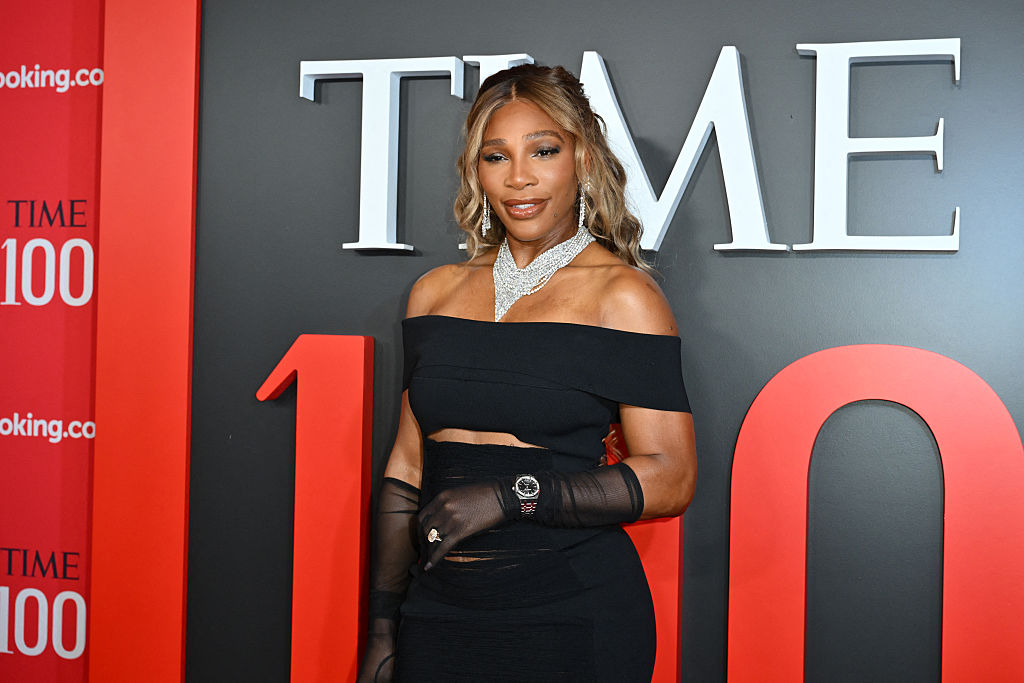
    Legendary tennis player Serena Williams has candidly shared details about her weight loss journey, revealing that GLP-1 medication played a significant role in her transformation. Williams, who has lost 31 pounds since starting the medication about a year ago, discussed her experience with Zepbound and her desire to combat the stigma surrounding its use.

    A Personal Health Decision

    In an interview with Today, the 43-year-old athlete described the decision to use Zepbound as “a really good decision I had to make for my life.” Williams explained that after her first child, she struggled to regain her pre-pregnancy health, despite consistent efforts like running and walking for hours, and even playing professionally. The challenge intensified after her second child, prompting her to seek alternative solutions.

    The medication has yielded significant physical and mental benefits for Williams. She noted improvements in her blood sugar levels and a feeling of lightness in her joints, which is particularly beneficial for an athlete who experienced considerable physical strain throughout her career. Williams mentioned having “a lot of knee issues” and never being able to return to her previous weight levels post-childbirth, which she believes may have impacted her performance.

    Combating the Stigma of GLP-1 Medications

    A key focus of Williams’ conversation was addressing the stigma surrounding GLP-1 medications. She pointed out the increased risk of diabetes among African Americans and directly countered the misconception that using these drugs is a “shortcut” or only for “lazy people.” Williams firmly stated, “I feel like a lot of people have this stigma on GLP-1s and say things like, ‘Oh, lazy people do it,’ or ‘If you’re working hard enough, you don’t need that.’ But from my experience… it’s simply not true. Sometimes you need help.”

    She emphasized that her experience proves otherwise, stating, “Your story is your story, and it’s okay to make that choice to do it if you want to. I did, and I’m really happy with it.” Williams connected her personal journey to a broader struggle many women face: working out and eating healthy but still being unable to reach desired health or weight goals.

    A Personal Journey to Confidence

    Williams described her weight loss journey as deeply personal, leading to significant mental and emotional benefits. “I feel lighter mentally, I feel sexier, I feel more confident,” she shared. She joins a notable list of celebrities, including Oprah Winfrey, Fat Joe, and Charles Barkley, who have also spoken openly about their use of GLP-1 medications.

    What are your thoughts on Serena Williams’ openness about using GLP-1 medication? Do you think it helps combat the stigma? Share your views in the comments below!
  • Serena Williams Reveals 31-Pound Weight Loss

    Tennis legend Serena Williams has been making headlines not just for her athletic prowess but also for her noticeable transformation. After fans commented on her significant weight loss in recent weeks, Williams appeared on “The Today Show” to share the details behind her 31-pound weight reduction, revealing she’s been using a GLP-1 medication called Zepbound.

    A Postpartum Health Journey

    Williams, a mother of two, explained that regaining a healthy weight after welcoming daughters Alexis Olympia Jr. and Adira Ohanian had been a struggle. She cited issues with her joints and blood sugar levels, common challenges many women face postpartum. “I was never able to be at a healthy weight that I could be at,” she shared.

    Initially, Williams was hesitant to try GLP-1 medications due to the stigma surrounding them, viewing them as a “shortcut” or an “easy way out” that bypasses healthy eating and exercise. However, after seeing friends find success with the medication and trying it herself, she found it effective. “I tried it and it actually worked,” she stated.

    More Than Just Aesthetics: Feeling Healthy

    In an interview with People, Williams expressed feeling “great, really good and healthy,” both physically and mentally. She clarified that her motivation wasn’t purely visual; rather, it was driven by the physical pain she was experiencing. “I do feel like my body didn’t like me at that weight. I had pain in my joints and pain in different areas just because of the extra weight that I’m not used to carrying since I had children.”

    The tennis icon also touched upon the societal pressure women face regarding their bodies, regardless of size. “Women often experience judgment about their bodies at any size, and I’m no stranger to that,” she said. “So I feel like you should love yourself at any size and any look.”

    Williams’ husband, Alexis Ohanian, is an investor in Ro, the telehealth company through which she receives her prescription. Other celebrities like Oprah Winfrey, Sherri Shepherd, and Kandi Burruss have also spoken about using GLP-1 medications, while Charles Barkley has become a brand ambassador for Ro.

    What are your thoughts on the use of GLP-1 medications for weight loss? Share your perspective in the comments below!

  • Ozempic & Zepbound Lawsuits Rise: 2,000+ Claim Side Effects

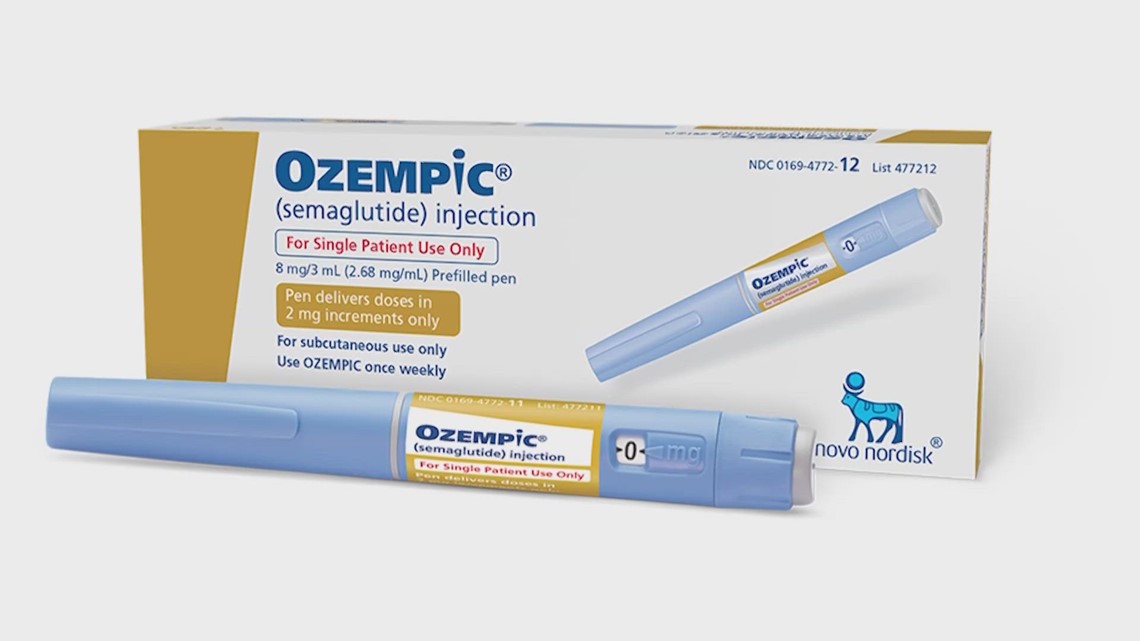
    The popularity of weight-loss drugs like Ozempic and Zepbound has exploded, but a growing number of patients are now coming forward with serious health concerns. Over 2,000 lawsuits have been filed against the manufacturers, Novo Nordisk and Eli Lilly, alleging that these widely used GLP-1 drugs caused dangerous and potentially permanent side effects.

    Allegations of Undisclosed Dangers

    These lawsuits, now consolidated in a Pennsylvania federal court, claim that the drugmakers failed to adequately warn patients about the severe risks associated with these medications. The core of the legal challenges revolves around allegations that patients developed gastroparesis, a condition often referred to as stomach paralysis.

    Beyond gastroparesis, plaintiffs are reporting other severe gastrointestinal issues, including intestinal obstructions, persistent vomiting, and gallbladder disease. Some patients have also linked their use of these drugs to vision loss, specifically non-arteritic anterior ischaemic optic neuropathy. While medical experts acknowledge that GLP-1 drugs slow stomach emptying, the extent and severity of these reported complications are raising significant concerns.

    Regulatory Updates and Company Responses

    In response to these growing concerns, regulatory bodies have begun to act. The FDA updated its safety label for Zepbound in February 2025 to include warnings about ileus, a serious intestinal blockage. Similar updates have been made to the labels for Ozempic and Mounjaro. Despite these developments, both Novo Nordisk and Eli Lilly maintain that their drug information meets federal standards and deny any wrongdoing.

    The litigation is still in its early stages, with the discovery phase underway. Analysts predict that the first test cases might not go to trial until 2026, meaning this legal battle could be a lengthy one. Meanwhile, Novo Nordisk has also taken legal action, filing lawsuits against U.S. pharmacies accused of selling unapproved compounded versions of semaglutide, the active ingredient in Ozempic and Wegovy.

    Have you or someone you know experienced adverse effects from Ozempic or Zepbound? Share your experiences or thoughts on these lawsuits in the comments below.