
Tag: Wrongful Termination

  • Scholly Founder Sues Sallie Mae Over Data Selling

    Chris Gray, the visionary founder behind the popular scholarship search platform Scholly, is taking legal action against Sallie Mae, the company that acquired his startup in 2023. Gray alleges wrongful termination and claims that Sallie Mae has engaged in the unlawful selling of user data, betraying the trust he placed in them when he sold his company.

    From Shark Tank to Lawsuit

    Gray gained national recognition after appearing on Shark Tank in 2015, securing an investment deal from Daymond John and Lori Greiner. He successfully grew Scholly into a platform that helped millions of students find scholarship opportunities. The sale to Sallie Mae was intended to propel Scholly’s expansion, and Gray initially took on a vice presidential role within the company, contributing to its operational scaling.

    However, the transition has soured. Gray has now filed a lawsuit against Sallie Mae, as well as a whistleblower complaint with the Securities and Exchange Commission (SEC). According to TechCrunch’s review of the filings, Gray claims that both he and his co-founders were laid off, and Sallie Mae allegedly reneged on promises to protect users’ personal information.

    Allegations of Data Misuse

    Gray expressed his deep disappointment, stating, “I sold Scholly to a regulated bank because I believed it would protect the students who trusted us. Instead, I watched the company build a non-bank subsidiary to do things the bank itself can’t legally do: sell student data. That’s not the company I thought I was joining.”

    He alleges that Sallie Mae circumvented federal restrictions on financial institutions selling customer data by housing these activities within a subsidiary named “Sallie.” Gray claims that when he raised concerns about these data privacy issues, Sallie Mae leadership subsequently eliminated his role. Scholly, even with its post-Shark Tank “freemium” model, had reportedly grown to five million users and generated $30 million in cumulative revenue.

    Sallie Mae’s Response

    Sallie Mae publicly states on its website that it does sell user data to third parties, including education records, geolocation data, age, race, and contact information. The subsidiary also reportedly receives referral fees for student loan customers. Gray further alleges that this data was used to create Backpack media, a platform designed to influence the purchasing decisions of younger demographics. In response to the lawsuit, Rick Castellano, Sallie Mae’s vice president of corporate communications, stated to TechCrunch, “While we don’t comment on pending litigation, it’s unfortunate a former employee is making false accusations about our company following his departure nearly two years ago. We plan to vigorously defend ourselves against these claims which are without merit or substance.”

    • Scholly founder Chris Gray is suing Sallie Mae.
    • Allegations include wrongful termination and unlawful data selling.
    • Gray claims Sallie Mae used a subsidiary to bypass data privacy regulations.
    • Sallie Mae denies the accusations, calling them false and without merit.

    What are your thoughts on Chris Gray’s lawsuit against Sallie Mae? Do you believe companies should be allowed to sell user data? Share your opinions in the comments below!
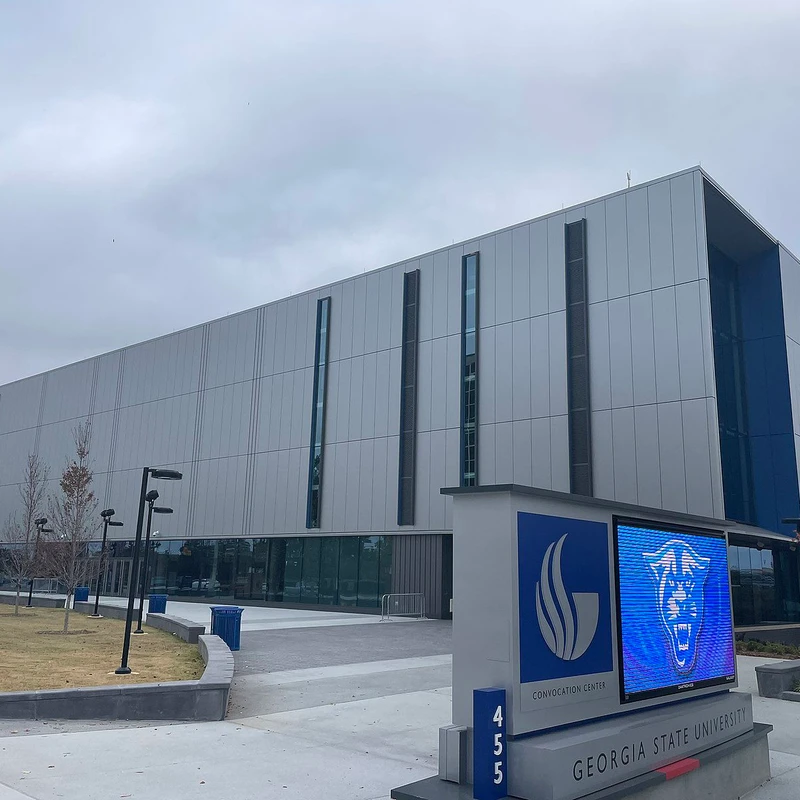
  • Ex-Employee Sues Georgia State Over Cancer Discrimination

    Imagine getting a devastating cancer diagnosis just weeks into a new job. That’s the reality Cindy Hawthorne faced at Georgia State University. She claims that after initially receiving support for her treatment, the university ultimately fired her, alleging her work slowed down due to her chemotherapy and radiation.

    Initial Support Turns Sour

    Hawthorne started her role as a civil rights compliance investigator at Georgia State University. Shortly after beginning, she received her cancer diagnosis and immediately informed her supervisors. They reportedly expressed support and authorized accommodations, including working from home and deadline extensions, as she started chemotherapy.

    Demonstrating her commitment, Hawthorne even postponed surgery to ensure her work responsibilities were met. However, as she experienced complications from her treatments, her request for another extension was met with a different response. Instead of empathy, her directors allegedly implemented a 90-day performance improvement plan.

    Feeling Pushed Out

    Hawthorne felt that this new plan, coupled with the hiring of a new team member, was a way to push her out. As a civil rights investigator, her job was to ensure the school upheld the rights of students and staff. Ironically, she believes her own rights were violated.

    She worked at the university for less than a year before being terminated in October. Hawthorne expressed feeling “thrown away and lied to, to make it feel like it was my fault.” She has since filed a complaint with the Equal Employment Opportunity Commission (EEOC), seeking justice for what she considers a wrongful firing.

    Seeking Legal Validation

    Her lawyer, Artur Davis, highlighted Hawthorne’s dedication, noting that she delayed surgery to prioritize her job. Davis emphasized that this level of commitment shows she was more than pulling her weight. Now, Hawthorne is pursuing a legal claim to validate her experience and hold the university accountable.

    What are your thoughts on Cindy Hawthorne’s situation? Do you believe she was wrongfully terminated? Share your perspective in the comments below!

  • Can Employers Fire You for Off-Duty Conduct?

    Ever wondered if what you do after clocking out could cost you your job? A recent ruling from Barcelona, Spain, suggests the answer might be yes. The Superior Court of Justice of Catalonia sided with Burger King, determining the fast-food giant was justified in firing employees for hosting an off-duty drinking party during the COVID-19 pandemic.

    The ‘Botellón’ Incident and Its Aftermath

    The case involved a group of Burger King employees who participated in a ‘botellón’—a Spanish term for a street drinking gathering—in the restaurant’s parking lot during the height of the pandemic. These employees were subsequently fired, arguing that their private, off-the-clock activities shouldn’t impact their employment. However, Burger King contended that the party violated internal rules, caused economic damage, and harmed the company’s reputation, especially given the strict health measures in place at the time.

    While initially, some legal interpretations suggested the actions might not constitute ‘very serious misconduct’ under the Hospitality Labor Agreement, Burger King’s stance was that the employees’ actions eroded trust. Ultimately, the high court agreed with the company, ruling in their favor on July 25.

    What This Means for Employees in the U.S.

    This ruling raises important questions for employees in the United States. Legal experts caution that off-the-clock activities can indeed jeopardize employment, even for high-level positions. We’ve seen examples, like a university basketball coach fired after an arrest stemming from an alleged altercation, and even concert-goers losing their jobs after viral moments.

    The concept of ‘at-will’ employment in many U.S. states means employers can terminate an employee for almost any reason, provided it’s not an illegal one (like discrimination). However, this doesn’t completely shield employers from lawsuits. If employment contracts are in place, they often define ’cause’ for termination, and employers must adhere to those guidelines.

    Navigating Off-Duty Conduct

    Attorney Wilford H. Stone advises employers to thoroughly investigate and confirm all facts before making termination decisions, rather than relying on social media buzz or unverified gossip, which can lead to costly legal battles. For employees, it’s a reminder that even personal activities can have professional consequences, especially if they reflect poorly on the employer or violate company policies.

    While the Barcelona ruling specifically addresses Spanish labor law, it echoes a broader principle: employers have a vested interest in protecting their reputation and ensuring their workforce acts in a manner that doesn’t undermine trust or violate established rules, even outside of work hours.

    What are your thoughts on this ruling? Should employers have a say in what employees do in their free time? Share your perspective in the comments below!

  • Rockmond Dunbar Sues Disney+ Over Vaccine Mandate

    Actor Rockmond Dunbar is heading to trial against Disney+ this week, alleging wrongful termination from the show “9-1-1” due to his refusal to comply with the company’s COVID-19 vaccine mandate. Dunbar claims his complex religious beliefs prevented him from getting vaccinated, a stance that led to his dismissal from the series after his request for a religious exemption was denied.

    The Vaccine Mandate and Religious Exemption

    The case dates back to the early pandemic years when vaccine mandates were widespread. Dunbar, who portrayed Michael Grant on “9-1-1,” cited his faith as the reason for refusing the vaccine. He claims to be a member of the Congregation of Universal Wisdom and follows a blend of Buddhist and African Yoruba faiths. His legal team argues that adherence to every tenet of the Congregation is not necessary for his beliefs to be protected under federal law.

    Disney’s 20th Television, however, contends that Dunbar fabricated his religious excuse. Their legal team plans to introduce evidence of his past use of steroids and synthetic testosterone injections, suggesting a contradiction with his claimed religious objections to Western medicine. Dunbar’s lawyers attempted to block this medical evidence, but a judge ruled it admissible to assess the sincerity of his beliefs.

    Dunbar’s Defense and Beliefs

    In a pre-trial memo, Dunbar’s attorneys stated, “Since at least 2014, Plaintiff has held sincere religious beliefs that prevent him from receiving vaccines because he believes they will tether his soul to earth, thereby preventing him from ascending to be with God after his death.” The Congregation of Universal Wisdom, founded by chiropractor Walter Schilling in the 1970s, teaches that vaccines and other medical interventions violate natural law by interfering with the soul’s purity and divine communication.

    Dunbar himself insists he “is not against western medicine that is made with God’s consent or that does not cloud my communication with God.” When questioned about the COVID-19 vaccine specifically, he stated that “God personally told everybody in this world, before they sat down or as they sat down to receive the shot, to not get it.” He believes those who chose to get vaccinated “failed” their spiritual test.

    What are your thoughts on Rockmond Dunbar’s case against Disney+? Do you believe his religious beliefs should exempt him from vaccine mandates? Share your opinions in the comments below!