Tag: Women’s Health

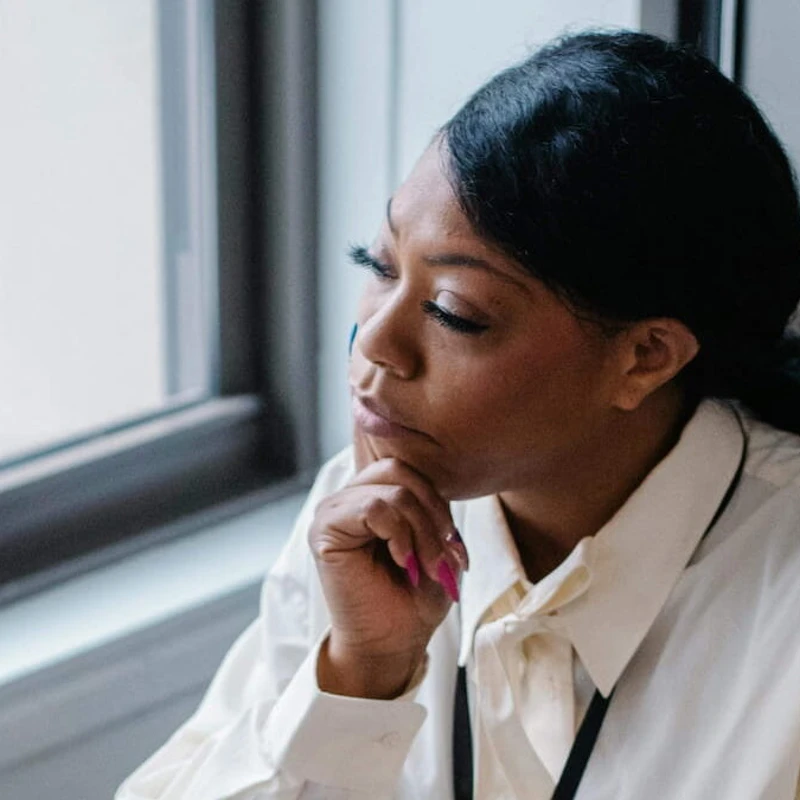
  • Unemployment: A Health Crisis for Black Women

    In February 2026, the unemployment rate for Black women hit a staggering 7.7%. These aren’t just statistics; they represent a growing national health crisis. As the nation grapples with the consequences of economic policies, Black women are disproportionately bearing the brunt, facing an epidemic of job loss with no immediate relief in sight.

    Policy Decisions and Their Impact

    The rollback of Diversity, Equity, and Inclusion (DEI) initiatives, a key agenda item in the current administration, has been cited as a major factor contributing to the alarming rate at which Black women are losing their jobs. This trend was highlighted in a September 2025 jobs report, showing Black women’s unemployment rate at 7.5%, a significant jump from the previous month and far exceeding the national average of 4.4%.

    Congresswoman Ayanna Pressley has been a vocal advocate, conducting roundtable discussions to address the crisis. She stated, ‘Black women in Massachusetts and across the country are facing a shameful crisis of high unemployment that has everything to do with the racist and fiscally irresponsible economic policies of the Trump White House.’ This situation is not just a problem for Black women but an alarming indicator of the broader economy’s health, with dangerous implications for Black families and futures.

    The Profound Mental Health Toll

    The impact of job loss extends far beyond financial strain. Licensed mental health counselor Helen Joseph emphasizes the profound effect on mental well-being. ‘When Black women are pushed out of the workforce, the impact on our mental health and the damage to the well-being of our families and communities is profound,’ she noted. Protecting Black women in the workplace is crucial for their mental health, stability, and the nation’s future strength.

    Despite being one of the most educated demographic groups, Black women are often the first to face layoffs. The Institute for Women’s Policy Research (IWPR) reported that Black women are disproportionately affected, facing systemic barriers compounded by policies that undervalue their contributions. Dr. Jamila K. Taylor, President and CEO of IWPR, stated, ‘Black women are often the primary breadwinners for their families. So, when we are disproportionately pushed out of the workforce, the stability of entire communities is at stake.’

    Coping Amidst Adversity

    The struggle is real, as shared by Shana Pinnock-Glover, a social media manager with 15 years of experience, who noted disturbing trends on LinkedIn, with some Black individuals posting what felt like ‘suicide notes’ due to financial desperation. While Black women are known for their resilience, they are still human and need support.

    • Give yourself time to process the shock and anger.
    • Reflect on what you loved about your previous job and what didn’t serve you to guide your next steps.
    • Focus on your professional assets, strengths, and accomplishments to maintain self-esteem.
    • Take breaks from the job search and social media to unplug and recharge.
    • Engage in self-care activities like walking, spending time with family, or exercising.

    While the job outlook may seem bleak, the enduring strength and grace of Black women are undeniable. They continue to navigate these challenging times with dignity, proving their ability to weather storms.

    How has unemployment impacted you or someone you know? Share your experiences and coping strategies in the comments below.


  • Are Your Feminine Hygiene Products Harming Your Periods?

    That time of the month can feel like a battle, right? For many, the fatigue, aches, and general discomfort are just part of the monthly cycle. But what if your period symptoms are more intense than they need to be? It turns out, some of the feminine hygiene products you use might be contributing to the problem.

    Why Your Period Might Be Worse Than It Needs To Be

    While genetics and diet can play a role in period severity, the products you choose for menstrual care can also have a significant impact. Some popular brands of pads and tampons contain chemicals that can not only worsen your symptoms but potentially cause long-term health issues.

    These chemicals can be absorbed directly into the reproductive system due to their contact with sensitive skin. This exposure might lead to more intense cramps, increased feelings of sickness, and even affect your nervous system, causing dizziness and fatigue – symptoms many already experience during their period. Over time, this can also contribute to kidney damage.

    Brands to Be Cautious Of

    Brands like Always, U by Kotex, and Tampax, which have been mainstays for decades, may contain these concerning chemicals. Testing commissioned by Women’s Voices for the Earth in 2014 revealed that Always pads transmitted toxic chemicals, some of which are listed as reproductive and developmental toxins by agencies like the ATSDR.

    Beyond pads, tampons themselves carry risks. Improper use or leaving a tampon in too long can lead to Toxic Shock Syndrome (TSS), a rare but life-threatening illness. For those with conditions like endometriosis, tampons can exacerbate pain and pelvic pressure, especially when combined with harmful chemicals.

    Making the Switch to Safer Options

    The good news is that there are brands prioritizing your health and comfort. Organic options from brands like L. Organic, Rael, and Seventh Generation offer products free from the toxic chemicals found in many conventional brands. Many users report noticing shorter, lighter periods after switching to these organic alternatives.

    Making the switch to organic feminine hygiene products could significantly ease your monthly symptoms and contribute to your long-term well-being. It’s a simple change that might make your periods ten times easier.

    Are you ready to make the switch to organic feminine hygiene products? Have you already made the change? Share your experiences and favorite brands in the comments below!

  • 5 Foods to Help Manage PCOS Symptoms

    Polycystic Ovary Syndrome (PCOS) affects millions of women of reproductive age, and for Black women, it can often be linked to more critical long-term health issues. While working closely with a healthcare provider is essential for managing this hormonal condition, dietary changes can play a powerful role in alleviating symptoms and supporting overall well-being. Let’s explore five foods that can help combat PCOS naturally.

    Understanding PCOS and Its Symptoms

    PCOS is a complex hormonal disorder characterized by higher-than-normal levels of androgens, hormones like testosterone. While not everyone with PCOS develops ovarian cysts, and cysts don’t automatically mean you have PCOS, the condition can disrupt the body’s natural balance. Symptoms vary widely, making diagnosis challenging, but common signs include irregular periods, acne, excess hair growth, weight changes, and fatigue.

    5 Foods to Help Manage PCOS Symptoms

    1. **Flaxseeds for Hormone Balance:** These tiny seeds are packed with omega-3 fatty acids that help reduce inflammation, a common issue in PCOS. Their lignans can also aid in regulating estrogen levels, promoting healthier hormonal balance. Try adding ground flaxseeds to your oatmeal, yogurt, or smoothies.
    2. **Baby Broccoli & Cruciferous Vegetables for Estrogen Support:** Broccoli, cauliflower, Brussels sprouts, and similar vegetables contain compounds that assist the liver in processing excess estrogen. This can be incredibly beneficial for hormonal balance. Roast them, add them to stir-fries, or toss them into omelets for an easy nutrient boost.
    3. **Cinnamon for Blood Sugar Balance:** This warming spice is more than just a flavor enhancer; it can improve insulin sensitivity, a key concern for many with PCOS. Stable blood sugar levels can lead to fewer cravings and better hormone regulation. Sprinkle cinnamon into your coffee, oatmeal, or yogurt.
    4. **Blueberries for Inflammation Support:** Rich in antioxidants, blueberries help combat oxidative stress and inflammation, which are often elevated in PCOS. As a low-glycemic fruit, they also support steady blood sugar. Enjoy them fresh or frozen as a snack, in smoothies, or even in salads.
    5. **Spearmint Tea for Androgen Balance:** Studies suggest spearmint tea may help reduce elevated androgen levels, potentially improving symptoms like acne and unwanted hair growth. Enjoying a cup in the morning or evening can be a refreshing way to support hormonal balance.

    Nourishing Your Body, Naturally

    You don’t need a complete dietary overhaul to start feeling the benefits. Incorporating small, consistent changes can make a significant difference. A spoonful of flaxseeds at breakfast, a few servings of blueberries weekly, or a calming cup of spearmint tea in the evening can contribute to better hormonal balance and symptom management over time. These nourishing choices can help you support your body in a way that feels empowering rather than restrictive.

    What are your favorite PCOS-friendly foods? Have you tried any of these remedies? Share your experiences and tips in the comments below!

  • Queen Latifah Embraces Menopause Power

    Queen Latifah, a powerhouse entertainer, is opening up about a new chapter in her life: menopause. Far from shying away from it, she’s embracing this transition as a moment of power and wants to inspire other women to do the same. She’s now the spokesperson for Weight Watchers’ new menopause program, aiming to destigmatize and support women through this significant life stage.

    A Surprising Diagnosis

    At 55, the Grammy and Emmy winner admitted she was caught off guard when her doctor informed her she was entering perimenopause. Latifah felt perfectly normal and wouldn’t have suspected anything was changing until her doctor shared her numbers. “I felt pretty normal. I wouldn’t have even known that I was in premenopause, and I was actually kinda shocked,” she shared with People magazine.

    While she didn’t experience the dramatic hot flashes often associated with menopause, she noticed subtler changes. These included minor disagreements over car temperatures and a persistent 10 pounds that wouldn’t budge. Initially, the idea of menopause brought a sense of apprehension, but Latifah has since reframed her perspective.

    Defining Menopause as Powerful

    Now, Queen Latifah defines this stage of her life with a single, powerful word: powerful. She feels a strong sense of control over this new phase. This newfound confidence is a key reason behind her partnership with WeightWatchers for their groundbreaking ‘WeightWatchers for Menopause’ campaign.

    This initiative is designed to offer women much-needed support, valuable resources, and, crucially, a sense of community. “It’s important to be able to get as much information as you can so that you can take care of yourself,” Latifah explained. She highlighted that WeightWatchers is providing access to clinicians, information, and a supportive network for women navigating this transition.

    Breaking Down Stigma, Building Community

    Developed by leading physicians and menopause specialists, the WeightWatchers program aims to dismantle the decades of stigma and silence surrounding menopause. It’s a natural transition that affects half the population, yet many feel unprepared. “At the end of the day, it’s a physical change that’s happening and we all want to understand how to deal with it and how to handle it better,” she noted.

    Latifah credits the women in her life for helping her feel more at ease discussing menopause. Having older friends who had already gone through it provided her with valuable insights. Now, through platforms like Weight Watchers Menopause, she hopes to empower more women to openly discuss their body’s changes and seek the support they deserve.

    How has your perspective on menopause evolved? Share your thoughts and experiences in the comments below!

  • Halle Berry Champions Menopause Healthcare Reform

    Halle Berry, the Oscar-winning actress, is stepping into a new role: a powerful advocate for women’s healthcare. She’s not just gracing movie screens; she’s actively working to transform how menopause is treated, starting with a bold campaign in California that could set a precedent nationwide.

    From Personal Struggle to Public Advocacy

    Berry’s journey into healthcare advocacy stems from her own challenging experiences with medical misdiagnoses and the high costs associated with women’s health issues. Like many women, she faced the complexities of menopause without adequate support or understanding. This personal struggle fueled her determination to address systemic gaps in care.

    Through her organization, Respin Health, Berry has partnered with Perelel Health to launch the “Turn Up The Heat” campaign. This initiative is specifically focused on supporting California Assembly Bill 432, a piece of legislation designed to mandate insurance coverage for menopause-related treatments. It’s a crucial step towards recognizing menopause not just as a natural life stage, but as a legitimate medical condition deserving of comprehensive care.

    Championing Legislative Change

    Assembly Bill 432, sponsored by Assemblywoman Rebecca Bauer-Kahan, aims to tackle critical issues in menopause care, including the lack of specialized training for physicians. The legislation seeks to incentivize doctors to gain more expertise in this area, addressing the reality that many medical professionals receive minimal education on menopause during their training.

    Berry’s campaign is employing modern advocacy tactics, using social media and email outreach to mobilize Californians. The goal is to encourage constituents to contact Governor Gavin Newsom directly, applying pressure for the bill’s passage. This strategic approach focuses on a specific, achievable goal within the broader national conversation on healthcare reform.

    Breaking the Silence Around Menopause

    Berry has been vocal about her own menopause journey, publicly declaring her status on Capitol Hill in May 2024. This bold move, alongside female members of Congress, challenged the long-standing cultural silence surrounding women’s midlife experiences. By transforming a personal revelation into a political statement, she’s reframing menopause as a stage of liberation and empowerment, not decline.

    Her high-profile advocacy brings unprecedented attention to menopause, normalizing conversations that were once confined to private doctor’s visits. This cultural shift is as vital as any legislative win, aiming to change societal perceptions of aging for women.

    A Growing National Movement

    While Berry’s campaign is focused on California, it’s part of a larger national movement advocating for better menopause recognition. Despite setbacks at the federal level, such as the challenges faced by the “Advancing Menopause and Mid-Life Women’s Health Act,” state-level initiatives are gaining momentum. Berry sees these as crucial steps toward comprehensive reform.

    The campaign effectively merges technology with advocacy, using digital platforms to engage a wide audience. This multi-pronged approach, combining celebrity influence with grassroots organizing, sets a powerful example for future healthcare reform efforts.

    What are your thoughts on Halle Berry’s advocacy for menopause healthcare? Share your opinions in the comments below!