Tag: Women History Month

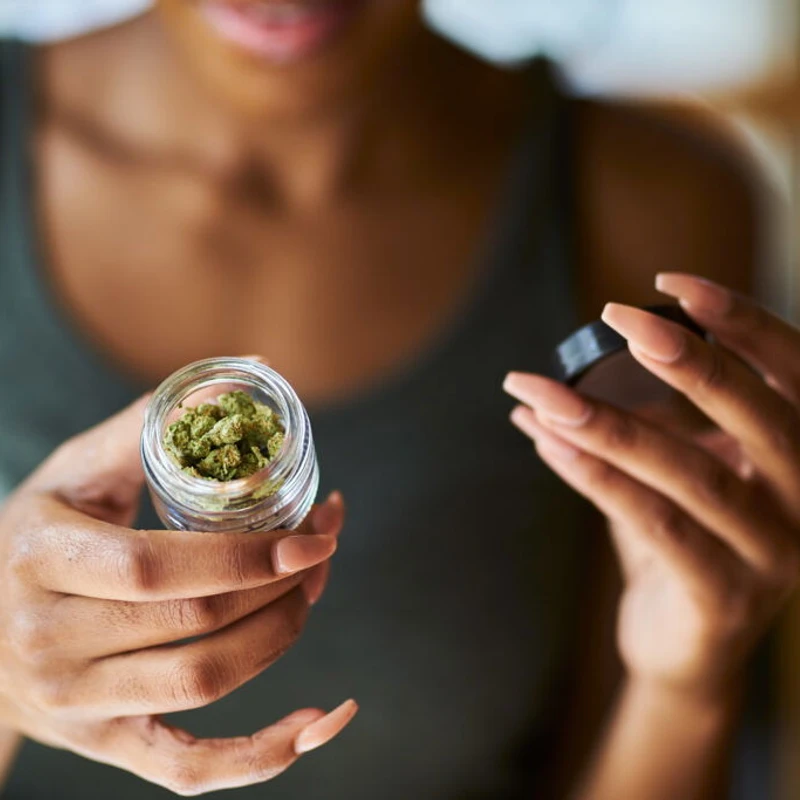
  • Black Women Leading the Cannabis Industry

    The legal cannabis market in the United States is a rapidly expanding, multi-billion dollar industry. Despite facing historical barriers like capital restrictions, licensing hurdles, and policy obstacles, Black women are increasingly carving out significant ownership stakes and transforming the sector through innovation, advocacy, and community investment.

    Breaking Barriers in a Billion-Dollar Industry

    The cannabis industry, valued at approximately $40 billion in 2024 and projected for continued growth, has historically seen underrepresentation from minority business owners. This is particularly stark given the disproportionate criminalization of Black communities during the War on Drugs. However, pioneering Black women entrepreneurs are actively challenging these norms, establishing dispensaries, launching cannabis brands, and pushing for equitable industry policies.

    These trailblazers are not only creating economic value but are also focused on community upliftment and education, ensuring that the benefits of this burgeoning industry are more equitably distributed.

    Pioneering Entrepreneurs Making Their Mark

    Several remarkable Black women are leading the charge:

    • **Hope Wiseman:** At just 25, Wiseman became the youngest Black woman dispensary owner in the U.S. when she opened Mary & Main in Maryland in 2018. Alongside her mother, Dr. Octavia Simkins-Wiseman, she focuses on patient education and increasing access to medical cannabis.
    • **Kika Keith:** After years of advocating for cannabis equity in Los Angeles, Keith opened Gorilla Rx Wellness, the city’s first Black woman-owned dispensary. Located in the Crenshaw district, it aims to support minority-owned brands and local residents.
    • **Roz McCarthy:** Experiencing the healing benefits of cannabis firsthand, McCarthy founded Minorities for Medical Marijuana (M4MM), a national nonprofit promoting diversity through education and advocacy. She also leads Black Buddha Cannabis, focusing on wellness products and community building.
    • **Wanda James:** A true pioneer, James co-founded Simply Pure in Denver in 2010, one of the earliest Black-owned dispensaries. A former Navy lieutenant and political strategist, she advocates for cannabis equity and minority ownership.
    • **Dr. Chanda Macias:** Combining her expertise in cellular biology with cannabis entrepreneurship, Macias is the CEO of Women Grow, an organization supporting women leaders in the industry. She also manages the National Holistic Healing Center, a medical cannabis dispensary and cultivation facility in Washington, D.C.

    Driving Equity and Education

    These women are not only building successful businesses but are also actively working to dismantle systemic barriers and promote equity within the cannabis industry. Through educational programs, policy advocacy, and community initiatives, they are paving the way for greater diversity and inclusion in a sector that has historically excluded many.

    What inspires you most about these Black women leading in the cannabis industry? Are there other entrepreneurs you admire? Share your thoughts in the comments below!

  • Black Women Redefining Interior Design

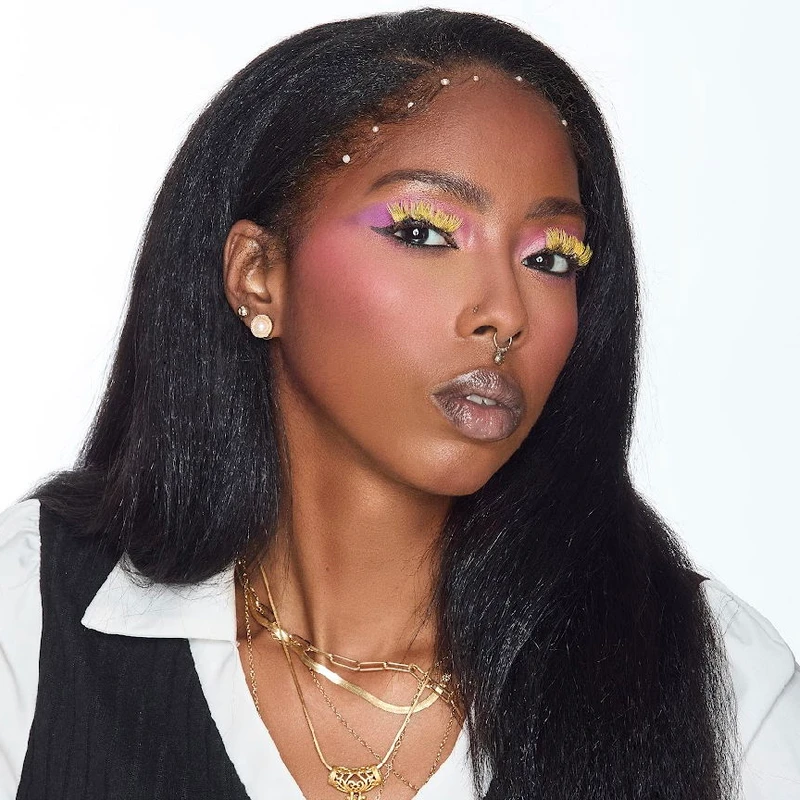
    In a design industry historically dominated by white professionals, Black women are increasingly breaking barriers and making their mark. These talented interior designers are not only creating visually stunning spaces but are also infusing their work with bold cultural maximalism, modern luxury, and deeply personal expressions of identity, challenging industry conventions along the way.

    Challenging Norms with Bold Aesthetics

    With only about 2% of Black professionals represented in the interior design industry, these women are carving out unique career paths. They are transforming homes with intentional designs that celebrate Black culture, blending rich textures, deep color palettes, and innovative approaches to create spaces that are both upscale and emotionally resonant.

    Meet the Visionary Designers

    • **Neffi Walker:** Founder of The Black Home, Walker centers Blackness in her designs, using moody color schemes, rich textures, and strategic lighting to create luxurious and meaningful spaces.
    • **Kiva Brent:** Based in Pittsburgh, Brent of D.I.Y. with KB promotes accessible luxury through a blend of modern glam and clean minimalism, focusing on functional, high-impact pieces.
    • **Timala:** This Tampa-based entrepreneur leverages her decade-plus experience as a furniture buyer to offer curated eDesign services through Decurated Interiors, focusing on tailored modernism with neutral palettes.
    • **Amber Guyton:** Atlanta-based Guyton established Blessed Little Bungalow, creating layered interiors with bold jewel tones that tell personal stories and radiate authentic joy, rejecting sterile minimalism.
    • **Sheila Bridges:** A Harlem-based designer since 1994, Bridges is renowned for her ‘Harlem Toile’ pattern, which reimagines French toile with a Black cultural perspective, blending historical narratives with modern interiors.
    • **Brigette Romanek:** Leading Romanek Design Studio in Los Angeles, Romanek designs for celebrity clients, combining modern elegance with cozy elements using natural materials, neutral palettes, and sculptural shapes.
    • **Malene Barnett:** This Brooklyn-based multidisciplinary designer leads Malene Barnett Studio, creating interiors, textiles, and ceramics inspired by the African diaspora, emphasizing texture, craftsmanship, and soulful handmade details.

    Aesthetic Diversity and Cultural Significance

    Each of these designers brings a unique perspective and aesthetic, showcasing the incredible diversity within Black interior design. Whether it’s Walker’s bold use of black as a symbol of luxury, Bridges’ reimagining of historical patterns, or Barnett’s focus on artisanal craftsmanship from the African diaspora, their work consistently delivers conceptual richness and undeniable visual impact.

    Their success not only highlights their individual talent but also signifies a broader cultural shift, celebrating Black identity and creativity within the design world. These women are truly mapping visually stunning careers that are transforming the Black home with an aesthetic that is both powerful and undeniable.

    Which of these designers’ aesthetics resonates most with you? Do you have a favorite Black interior designer whose work inspires you? Share your thoughts in the comments below!
  • Venus Rose Builds AI Infrastructure for Creators

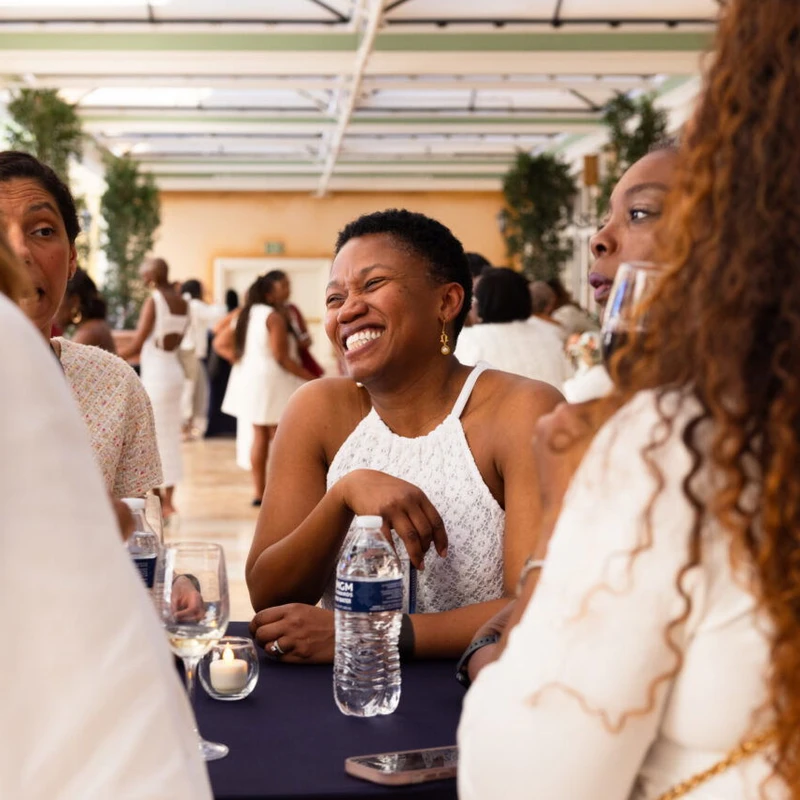
    For years, creators have been the engine of culture, driving trends and fueling digital platforms. However, they often watch as others build the systems, own the data, and profit from their creativity. Venus Rose, a Norfolk, Virginia native, is on a mission to change that narrative by building essential infrastructure for the creator economy, especially within the burgeoning AI landscape.

    Empowering Creators to Build, Not Just Consume

    Rose, who launched Haus of Creators after years working at the intersection of culture, fashion, music, and brand storytelling, is now focused on a larger goal: equipping creators with the knowledge and tools to understand, strategically use, and ultimately own AI technologies. ‘I think the message that I want [people] to get is that this is to build the new infrastructure for the creator economy with AI as a tool and partner,’ Rose told BLACK ENTERPRISE. ‘We want to help creators build AI tools and build AI companies in the end.’

    This vision is the driving force behind Haus of Creators AI Labs, a new pre-incubator program designed to help creators transition from being platform users to becoming builders of the next generation of digital products and businesses. Rose observed a significant disconnect in the tech space, noting that many AI tools and companies are built *for* creators, but not *by* them, lacking crucial insights from the very people they aim to serve.

    Addressing the Urgency for Black Creators

    The disconnect is particularly urgent for Black creators, who have historically driven cultural trends and fueled industries without commensurate ownership or control over the platforms and intellectual property associated with their work. ‘What’s most shocking to me is how obsessed these people are with the entertainment industry and us,’ Rose stated. ‘But we have no type of ownership at all. They’re running everything…and then owning the IP of all of our creativity.’

    This imbalance fuels Rose’s passion for building infrastructure and educating her community. She launched the AI Labs pre-incubator during New York Fashion Week, strategically leveraging the presence of creatives, founders, and industry professionals to maximize exposure and engagement.

    Demystifying AI and Fostering Ownership

    Rose’s workshops aim to demystify AI, combating the misconception that it’s either too technical or merely for entertainment. She teaches creators about AI basics, building minimum viable products, community development, and protecting intellectual property. Crucially, she emphasizes that creators don’t need extensive technical backgrounds or large budgets to start building with AI tools like ChatGPT or Claude, which can generate code and create early-stage software demos.

    Her curriculum also includes bringing in venture capitalists, investment bankers, legal experts, and entrepreneurs to educate participants on the business aspects of building AI-driven companies. The goal is to guide creators through identifying problems, developing solutions, building communities, protecting their work, and securing investment.

    A Vision for the Future Creator Economy

    Rose’s core message is a stark warning: creators who continue to feed platforms and tools they don’t own risk becoming more vulnerable in the AI era. Her advice is clear: ‘Stop thinking like a consumer and think like a builder. Think from the perspective of an entrepreneur. Think ownership.’ She envisions a future where the creator economy is built on a new infrastructure, with greater involvement and ownership from Black creators.

    What are your thoughts on Venus Rose’s mission to empower creators in the AI era? How can we ensure more creators, especially Black creators, achieve ownership in the digital economy? Share your insights in the comments below!

  • Celebrate Women’s History Month: Week 4 Events

    As March draws to a close, so does Women’s History Month! But there’s still time to honor the incredible contributions of women, especially Black women, who have shaped our world. This final week is packed with events celebrating their creativity, leadership, and enduring legacies.

    Engage with Leaders and Artists

    Kick off the week with a powerful live talk by civic advocate and author Stacey Abrams. As part of the Fresh Talk series on Thursday, March 26th, Abrams will delve into civic engagement, leadership, and the cultural forces that shape our world. She aims to highlight the vital role Black women play in politics and culture, encouraging connection and action.

    For art enthusiasts, the Black Girl Art Show is happening on Saturday, March 28th, at the Brooklyn Storehouse. This vibrant exhibition will showcase the incredible talent of over 200 Black women artists, offering a diverse range of styles and perspectives.

    Honoring Activism and Athletic Achievement

    In Atlanta, immerse yourself in the inspiring Legacy of Coretta Scott King Exhibition & Experience. Running until March 31st, this exhibition at The King Center features historical artifacts and personal belongings, offering a deep dive into Coretta Scott King’s impactful activism and leadership. It’s a living tribute to her enduring achievements.

    Sports fans can catch the NJCAA Division I Women’s Basketball National Championship, taking place at multiple sites across the country from March 24th to March 31st. Witness the incredible talent and dedication of these young athletes as they compete for the national title.

    Reflecting on a Month of Celebration

    These events are just a glimpse into the many ways we can celebrate Women’s History Month. The National Women’s History Alliance first launched Women’s History Week in 1980, and since 1987, the entire month of March has been officially recognized. This month-long observance serves as a crucial reminder to acknowledge and honor the contributions of women throughout history and into the future.

    Which of these events are you most excited about? How have you been celebrating Women’s History Month? Share your experiences in the comments below!