Tag: WHO

  • WHO Sounds Alarm on Escalating Ebola Outbreak

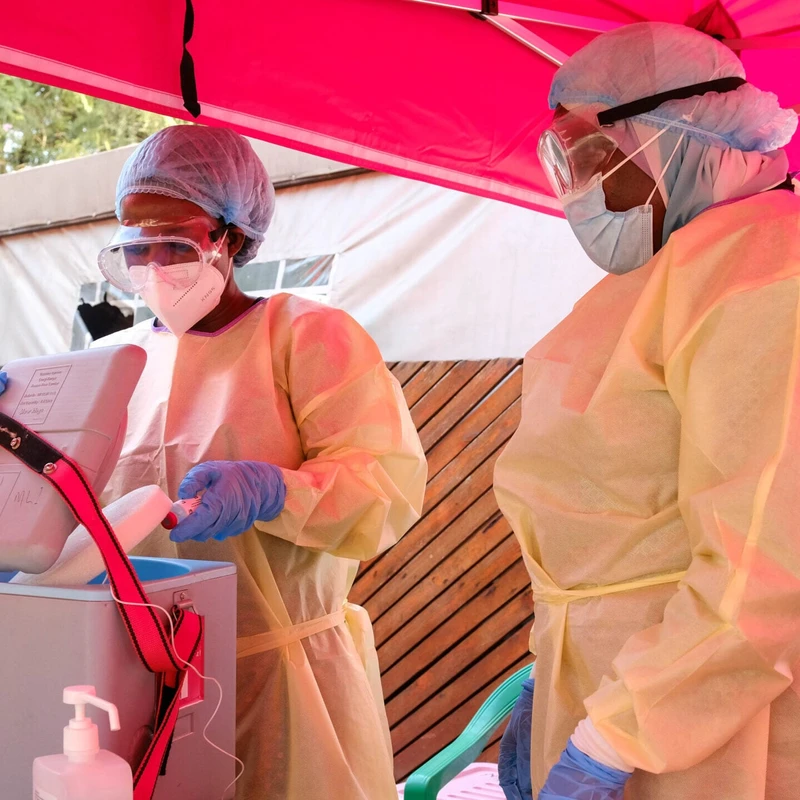
    The World Health Organization (WHO) is sounding the alarm as an Ebola outbreak intensifies in the Democratic Republic of Congo (DRC) and its neighbor, Uganda. The Director-General, Tedros Adhanom Ghebreyesus, has expressed grave concern over the rapid spread and alarming scale of the epidemic.

    This outbreak, linked to the Bundibugyo strain of the Ebola virus, is primarily concentrated in the northeastern Ituri province of the DRC. The situation has health officials worried about its potential to spread further.

    Grim Numbers and International Concern

    The numbers are stark: Congolese Health Minister Dr. Samuel Roger Kamba reports at least 131 deaths and over 500 suspected cases under investigation. WHO has confirmed 30 laboratory-confirmed cases in Ituri province alone. Adding to the concern, two confirmed cases have also been identified in Uganda’s capital, Kampala, indicating cross-border transmission.

    The outbreak was officially confirmed on May 15, following earlier reports of a mysterious, highly fatal illness in eastern Congo. Experts believe the virus may have been circulating undetected for weeks, contributing to its rapid expansion. The high positivity rate suggests the true number of infections could be significantly higher than currently reported.

    Highest Alert Level Declared

    In response to the escalating crisis, the WHO has declared the epidemic a “public health emergency of international concern” – the highest level of global health alert. This designation underscores the severity and potential international impact of the outbreak.

    Medical experts are questioning how the outbreak expanded so quickly, especially given the DRC’s extensive experience with Ebola. Dr. Craig Spencer, a physician who survived Ebola in 2014, suggests the actual number of infections is likely much higher than official figures indicate. In response to the growing threat, the United States has implemented temporary travel restrictions for the affected region after a U.S. citizen tested positive.

    Challenges in Containment

    Ebola is known to spread through direct contact with bodily fluids or contaminated materials. Currently, there are no approved vaccines or specific treatments available for the Bundibugyo strain, making containment efforts particularly challenging. While broad travel bans have been criticized by organizations like the Africa Centres for Disease Control and Prevention for potentially hindering economic and humanitarian efforts, the situation demands urgent global attention.

    What are your thoughts on the global response to this escalating Ebola outbreak? Share your concerns and suggestions in the comments below.

  • WHO Tracks Passengers After Hantavirus Cruise Outbreak

    A concerning hantavirus outbreak originating from a cruise ship has prompted an urgent international response. The World Health Organization (WHO) is now racing to locate up to 98 passengers who were on the same flight as a woman who tragically died from the virus, unaware of her infection at the time.

    The Deadly Cruise Ship Journey

    The outbreak is linked to the Dutch-flagged MV Hondius cruise ship, which departed from Ushuaia, Argentina, on April 1. The first fatality was the husband of the woman who later died on the flight. He began experiencing symptoms like fever and headache on April 6, rapidly progressing to respiratory distress before passing away on April 11. His body was taken ashore on St. Helena, a remote British territory.

    His wife accompanied his body, already showing gastrointestinal symptoms. The following day, she boarded an Airlink flight to Johannesburg, South Africa – a flight that operates only about once a week. Tragically, her condition worsened during the journey, and she passed away upon arrival at a hospital on April 26. Hantavirus was only confirmed via PCR testing nine days later.

    Urgent Contact Tracing Underway

    The WHO’s immediate priority is to identify and monitor the passengers from that specific Airlink flight. The fact that neither the woman nor anyone else on board knew she was infected highlights the challenges in containing such outbreaks, especially when symptoms can be initially non-specific. Social media commentators and health experts have been closely following the timeline, emphasizing that at the time of the flight, no one was aware of the hantavirus diagnosis.

    This situation has led some, like social media user @raeshanda_lias, to publicly apologize for previously making light of travelers’ precautions, like wiping down surfaces and masking, now recognizing the importance of such measures. Dr. Boghuna K. Titanji, an infectious diseases expert, has also provided detailed breakdowns of the situation.

    Broader Impact and Ongoing Monitoring

    Beyond the flight passengers, the cruise ship itself has seen further cases. A third passenger died on May 2 after developing pneumonia. One male passenger remains in intensive care in South Africa, and three additional suspected cases are still on board the MV Hondius. The strain identified is the Andes virus, a type of hantavirus known to have limited human-to-human transmission capabilities.

    The ship was initially denied docking in Cabo Verde but has since been invited to sail to Spain’s Canary Islands, where medical teams are prepared to receive passengers. With a hantavirus incubation period that can extend up to eight weeks, health officials caution that the full scope of this outbreak may not yet be known. The WHO is continuing to monitor the situation closely, assessing the global risk as low but remaining vigilant.

    What precautions do you take when traveling, especially after hearing about outbreaks like this? Share your thoughts in the comments below!