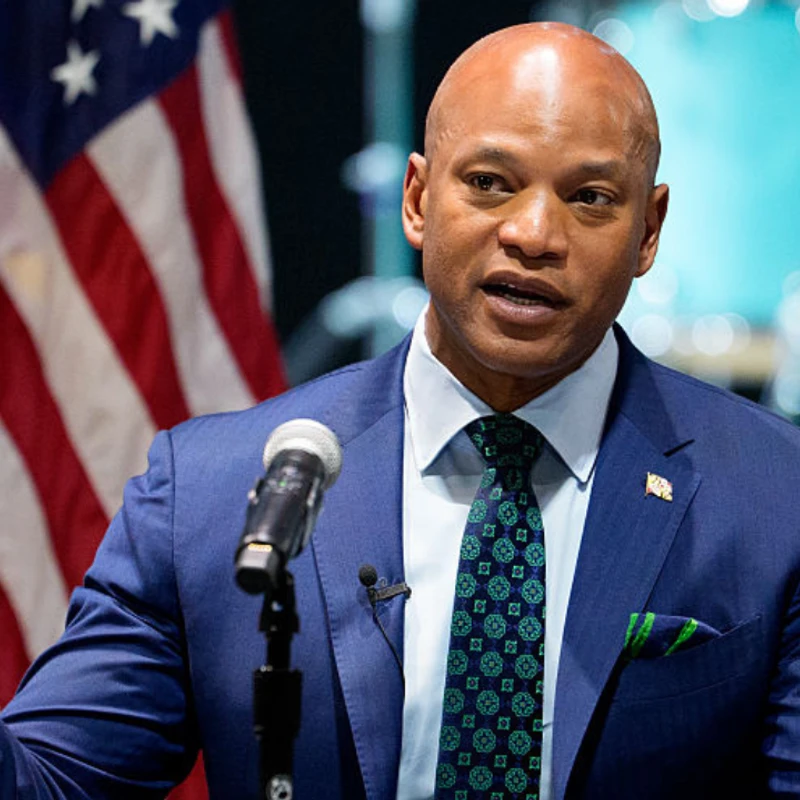
Tag: Wes Moore

  • Wes Moore Fights to Redraw Maryland’s Voting Map

    Maryland Governor Wes Moore is standing firm in his commitment to redraw the state’s voting map, declaring, “I’m not backing down.” He sees the current political climate and recent court rulings as a significant threat to civil rights and voting power, especially for Black Americans.

    The Fight for Fair Representation

    Governor Moore has been actively pushing for Maryland to join the national redistricting conversation ahead of the 2026 midterm elections. This push comes in response to a broader trend initiated by President Donald Trump, who urged Republican-led states to redraw congressional maps. This move aims to gain a competitive edge, particularly in the battle for control of the U.S. House of Representatives.

    While Democratic governors in states like California and Virginia have also pursued new maps, Maryland’s efforts have faced internal opposition from fellow Democrats, notably Senate President Bill Ferguson. However, the recent Supreme Court ruling in *Louisiana v. Callais*, which weakened Section 2 of the Voting Rights Act, has amplified the urgency and public outcry, giving Moore more political momentum.

    A ‘Greatest Assault on Civil Rights’

    Moore has been vocal about the implications of the *Callais* ruling, which he predicted back in January. He describes the subsequent actions by Republican-controlled states to eliminate majority-Black districts as “the greatest assault on civil rights.” The ruling, coupled with the Virginia Supreme Court’s decision to strike down a voter-approved redistricting measure, has put millions of Black Americans at risk of losing congressional representation.

    He believes inaction is not an option. “There is no way that we are just going to sit there and watch the world change and somehow think it’s OK for us to just stay quiet,” Moore stated, likening the situation to “a robbery happen[ing] in broad daylight.” He emphasizes the need for proactive engagement in shaping the conversation around democracy.

    Inspiration and Urgency

    Governor Moore drew inspiration from the “All Roads Lead to the South” mass demonstration, where thousands marched across the historic Edmund Pettus Bridge. He noted the powerful message of collective control over democracy, stating, “It reminded people of our own power, which I think we need in this moment.” Although he couldn’t attend due to a prior commitment to speak at Johnson C. Smith University’s commencement, the event resonated with him.

    Reflecting on his commencement address to HBCU graduates, Moore highlighted the rapidly changing world they are entering. He expressed concern that future generations might have fewer freedoms and rights than their parents, underscoring the critical need for vigilance and action in protecting democratic principles and voting rights.

    What are your thoughts on Governor Moore’s stance on redistricting and voting rights? Share your views in the comments below!

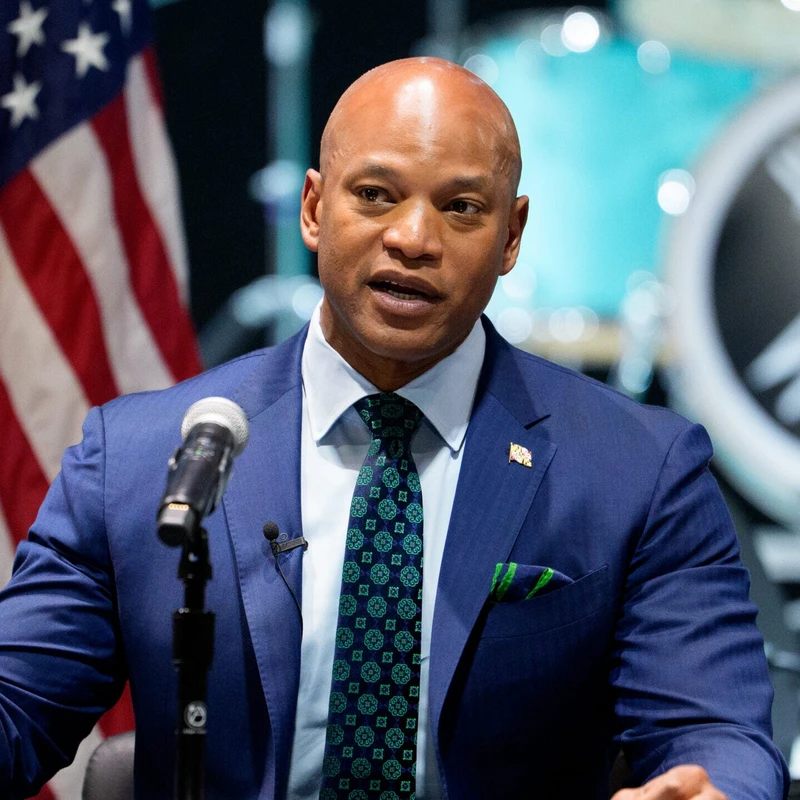
  • Wes Moore on 2028 Presidential Run: ‘Humbling’ Calls

    The buzz is building! Maryland Governor Wes Moore, a prominent figure and the state’s first Black governor, is facing increasing calls from HBCU graduates and others to consider a run for the presidency in 2028. While the attention is described as ‘humbling,’ Moore is currently keeping his focus firmly on his re-election campaign in Maryland.

    A Message of Urgency and Leadership

    Moore recently delivered the commencement address at Johnson C. Smith University, an HBCU in Charlotte, North Carolina. He urged the graduating class of 2026 to embrace leadership and ‘fight’ for crucial issues, particularly in the face of what he described as a significant ‘assault on Black voter representation.’ His powerful words resonated deeply with the audience.

    As Moore was being honored with an honorary doctorate, the crowd erupted with chants of ‘Future president!’ The enthusiasm was palpable, with even JCSU President Dr. Valerie Kinloch playfully joining in the calls for Moore to aim for the White House.

    Moore’s Response: Focused on Maryland

    Speaking with theGrio, Governor Moore acknowledged the outpouring of support, calling the moment ‘humbling.’ However, he quickly pivoted back to his current responsibilities and the upcoming November elections in Maryland. He highlighted the state’s achievements under his leadership, including a historic drop in violent crime, the creation of thousands of new businesses, and advancements in paid family leave and investments in HBCUs and apprenticeships.

    “I’m proud of our results,” Moore stated, emphasizing his commitment to winning re-election and demonstrating a successful model for future campaigns. This disciplined approach suggests a strategic focus on his current role rather than immediate presidential ambitions.

    The 2028 Landscape and Needed Leadership

    Despite Moore’s focus on Maryland, speculation about a 2028 presidential run is likely to continue, especially within the Democratic party regrouping after the 2024 election. When asked about the type of leadership needed in 2028, Moore emphasized action, results, and the capacity to ‘push forward’ rather than just react.

    He encouraged the graduating students to become those leaders, urging them to enter spaces with ‘values, with love – unapologetic and unafraid’ and to build better systems that leave no one behind. This message underscores his vision for impactful leadership, whether in Maryland or potentially on a national stage.

    Do you think Wes Moore should run for president in 2028? What qualities do you believe are most important for the next national leader? Share your thoughts in the comments below!

  • Marker Honors Black Boys at Maryland Reform School

    Imagine a place where young lives were lost, their stories silenced, and their final resting places unmarked. That’s the somber reality of the House of Reformation and Instruction for Colored Children in Maryland. But on May 7, 2026, a significant step was taken to change that narrative when Governor Wes Moore unveiled a historical marker to honor the Black boys who were buried near this former segregated juvenile detention facility.

    This isn’t just about a marker; it’s about confronting a painful chapter of Maryland’s racial history. The House of Reformation, which operated in the late 19th and early 20th centuries, is now recognized as a site where many children endured abuse, neglect, and harsh conditions. Recent investigations have brought to light the disturbing evidence of unmarked graves connected to the institution, making this memorial a crucial act of remembrance.

    Uncovering Forgotten Stories

    Governor Moore, Maryland’s first Black governor, has consistently championed the effort to acknowledge and address the state’s difficult past. During the unveiling ceremony, he stressed the importance of remembrance and accountability, ensuring these young lives are no longer forgotten. This initiative is part of a larger movement across Maryland to document and publicly acknowledge the state’s history of racial injustice.

    The House of Reformation was established during the Jim Crow era as a segregated institution. Shockingly, many of the boys sent there weren’t convicted of serious crimes. Instead, they were institutionalized for minor offenses or social infractions, highlighting a systemic issue of disproportionate punishment.

    A Step Towards Healing and Transparency

    Researchers believe that over 200 children may have tragically died while in the custody of this facility. The unveiling of the historical marker is a powerful public acknowledgment of this long-overlooked tragedy. It reflects a growing national conversation about preserving Black history and ensuring that the experiences of historically marginalized communities are recognized and included in our collective memory.

    Maryland lawmakers are also actively involved, proposing legislation to further investigate the site and support memorialization efforts. Advocates see this marker as a vital step towards healing and a testament to the resilience of communities seeking truth and justice.

    Why This Matters

    This event is more than just historical commemoration; it’s a vital part of understanding how systemic racism has impacted lives for generations. By bringing these stories to light, Maryland is setting an example for how to confront uncomfortable truths and work towards a more equitable future. It’s a reminder that every life has value and deserves to be remembered.

    What are your thoughts on this important historical marker and the ongoing efforts to uncover and preserve Black history? Share your perspective in the comments below!

  • Trump Ally’s Media Outlets Accused of Targeting Black Leaders

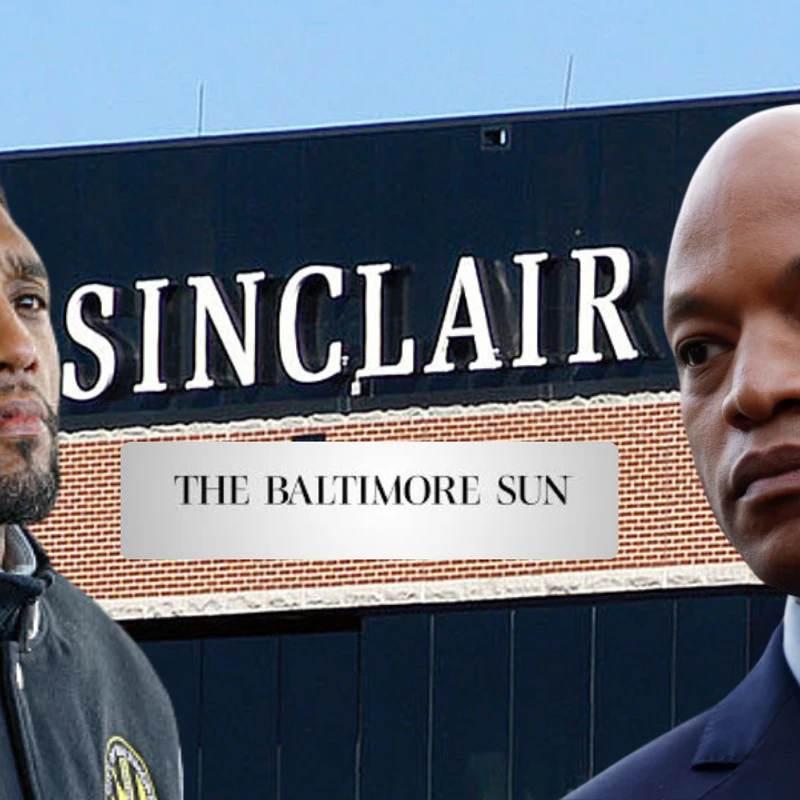
    Maryland’s top Black political leaders, Governor Wes Moore and Baltimore City Mayor Brandon Scott, are accusing a powerful media conglomerate, owned by a vocal supporter of former President Donald Trump, of racially and politically targeting them. Sinclair Broadcast Group, headquartered in Baltimore, is facing scrutiny for its coverage of Moore and Scott, with critics alleging a deliberate effort to undermine Black leadership.

    Scrutiny of Black Leaders

    Sinclair’s outlets, including WBFF/Fox 45 and The Baltimore Sun (which Sinclair acquired in 2024), have reportedly focused intensely on Governor Moore and Mayor Scott. Coverage has included scrutinizing Moore’s military and basketball records, questioning Mayor Scott’s purchase of a new security fleet, and even accusing the mayor of hiring a gang member based on attire.

    While some reporting might appear as standard journalistic practice, both Moore and Scott believe a more sinister agenda is at play. Governor Moore described The Baltimore Sun, once a respected paper of record, as having ‘declined’ under Sinclair’s leadership, becoming a ‘right-wing tribble’ used to ‘curry favor’ with Trump. David D. Smith, executive chairman of Sinclair Broadcast Group, has a well-documented history of supporting Trump and using his media platforms to promote right-wing narratives.

    Allegations of Undermining Black Political Power

    Mayor Scott specifically pointed to Sinclair’s past funding of ballot initiatives aimed at undermining Baltimore’s leadership, such as pushing for term limits and recall elections in a predominantly Black city with overwhelmingly Black elected officials. “It’s very clear that they do not want to see free or liberated Black political power,” Scott told TheGrio.

    Scott has had direct clashes with Sinclair reporters. He called out Fox 45 reporter Gary Collins for questioning his office about a ‘Safe Streets’ program worker’s alleged gang affiliation based on a blue cap. Scott also labeled reporter Tessa Bentulan’s questioning about his security fleet’s cost as having a ‘racist slant,’ noting the omission of key details and the lack of similar scrutiny towards white leaders like former Governor Larry Hogan.

    A Propaganda Machine?

    Scott described Sinclair’s outlets not as news organizations but as a “propaganda machine,” asserting that anyone who doesn’t align with their agenda is subjected to accusations of racism. He recalled a meeting with David Smith before his mayoral run, where Smith allegedly threatened to “come after” him if he didn’t comply with demands for unredacted personal documents.

    Political Commentator Weighs In

    Political commentator Reecie Colbert echoed these sentiments, stating that Moore and Scott are “absolutely” being targeted. She believes this is part of a broader MAGA strategy to prevent Democrats, and particularly Black leaders who deliver results, from holding power. Colbert suggested Sinclair aims to “kneecap” Governor Moore’s potential presidential aspirations.

    Historical Context and Media Ownership

    The article also touches on David Smith’s own controversial past, including a 1996 arrest for soliciting a prostitute, and how his company has used its media power to navigate accountability. The situation highlights a larger trend of conservative media ownership and its impact on political discourse, prompting discussions about Democrats needing to invest in their own media infrastructure rather than relying solely on organic reach.

    What are your thoughts on the role of media ownership in shaping political narratives? Do you believe Sinclair Broadcast Group is unfairly targeting Maryland’s Black leadership? Share your opinions in the comments below!

  • Wes Moore: Democrats’ Go-To for Black Voter Mobilization

    In the complex landscape of American politics, where debates about being “woke” and Black voters sometimes feeling overlooked are common, Maryland Governor Wes Moore is stepping into a crucial role for the Democratic Party. As the only Black governor in the U.S. and a figure many see as a future leader of the party, Moore is proving instrumental in mobilizing the Black electorate, a demographic vital for Democratic success.

    Key Wins in Recent Elections

    Moore’s influence was recently put to the test in the final days leading up to the latest elections in Virginia and New Jersey. He was deployed by Democrats to help turn out Black voters, a strategy that paid off handsomely. These efforts were critical in securing major wins for Democrats across the ballot, including victories in both states’ governorships.

    In Virginia, Moore’s campaigning helped boost turnout for candidates like Nicole Cole, a Black veteran and public accountant who unseated a 35-year Republican incumbent for a seat in the House of Delegates. Additionally, Virginia elected Jay Jones as its first Black attorney general. Meanwhile, in New Jersey, Mikie Sherrill saw a significant increase in Black voter turnout, with many voters returning to the Democratic ticket after having supported Donald Trump in the 2024 presidential election. This level of turnout for a Democratic gubernatorial candidate hadn’t been seen in over two decades.

    A Proven Track Record

    This isn’t a new strategy for Moore. In 2023, he also traveled extensively to campaign for elections in battleground districts in Virginia, contributing to Democratic victories in both the House of Delegates and the State Senate. The 47-year-old Army veteran, widely considered a rising star in the Democratic Party, also lent his voice to Kamala Harris’s campaign in key battleground states during the 2024 election.

    Kevin Donohoe, a spokesperson for the Democratic Governors Association, praised Moore’s efforts. “Governor Wes Moore was a key voice in laying out what is at stake for Black voters in this year’s gubernatorial races, and inspiring and motivating Black Virginians and New Jerseyans to make their voices heard at the ballot box,” Donohoe stated. He added that Moore “tirelessly did the work to help elect Abigail Spanberger and Mikie Sherrill” and expressed excitement for his future campaign trail appearances.

    Addressing Key Issues for Black Communities

    As the Democratic Party grapples with internal debates and the need to ensure Black voters feel valued, Moore’s growing influence could be pivotal, especially with the 2026 midterm elections on the horizon. Moore himself emphasizes the importance of intentional action: “If you really want to have a society that benefits on a larger basis, you have to be intentional about being able to deliver to Black communities because, oftentimes, those are communities that have been left behind in a lot of these conversations.”

    In Maryland, Governor Moore has implemented policies aimed at racial justice that could serve as a blueprint for the party. These include over 175,000 pardons for misdemeanor cannabis convictions, which disproportionately affect Black Americans, reforms to ensure more contracts go to Black-owned businesses, and significant investments in Black homeownership. Moore believes these tangible actions resonate deeply with Black voters across the country, demonstrating that policy changes truly matter.

    Combating Gerrymandering and Political Tactics

    Moore has also emerged as a vocal critic of tactics like gerrymandering, particularly after President Trump’s alleged efforts to redraw congressional maps to benefit Republicans, often targeting districts with significant Black voter populations. Moore has called this practice “political redlining” and established a Redistricting Advisory Commission in Maryland to propose new maps ahead of the 2026 midterms, ensuring fair representation.

    When asked about being seen as the future of the Democratic Party, Moore consistently redirects the focus to his work in Maryland, highlighting improvements in unemployment rates, reductions in violent crime, and a tax cut that turned a state deficit into a surplus. He remains focused on his upcoming re-election campaign, expressing excitement about the progress made in his state.

    What do you think about Wes Moore’s role in the Democratic Party? Do his policies resonate with you? Share your thoughts in the comments below!

  • Gov. Moore Slams Trump Admin Over SNAP Funding

    As the nation grapples with a government shutdown and uncertainty surrounding the Supplemental Nutrition Assistance Program (SNAP), Maryland Governor Wes Moore is speaking out forcefully against the Trump administration’s actions. He’s accusing the federal government of “breaking the law” and using vital food assistance as a political weapon.

    Emergency Funding Amidst Legal Battles

    Despite the ongoing legal fight and the U.S. Department of Agriculture demanding states “undo” full SNAP dispersals, Governor Moore has taken decisive action. Maryland is among the 25 states challenging the Trump administration’s partial funding of SNAP. To ensure residents don’t go hungry, Moore has allocated $62 million in emergency relief funding for nearly 700,000 SNAP recipients in Maryland, using state tax revenues.

    During an interview with theGrio, Moore expressed his frustration with the federal government’s stance. “I’m going to not wait for the President of the United States to stop doing these temper tantrums inside of courtrooms,” he stated, highlighting his commitment to his constituents. He emphasized that the federal government has a legal obligation to fund SNAP.

    Protecting Marylanders from Federal Inaction

    The Supreme Court has allowed the Trump administration to delay full SNAP payments until November 13th, leaving millions of Americans, including 11 million Black Americans, at risk of food insecurity. Governor Moore is determined to prevent this in Maryland. “We’re not going to allow our people to go without food while we’re waiting for federal judges to determine whether or not Donald Trump’s gonna follow the law,” he declared.

    While the full impact of the emergency funding remains to be seen as the legal and political battles continue, Moore has pledged to support Marylanders for as long as possible. “I’ve been clear that we are going to, for as long as we can, ensure that our people are not gonna be left behind by the actions of the federal government…it’s a pledge that I made to the people of the state of Maryland,” he affirmed.

    Moore’s strong stance underscores the critical importance of food assistance programs and the need for consistent, lawful funding. His actions demonstrate a commitment to protecting vulnerable populations from political gridlock and what he describes as the federal government’s refusal to “find religion about why food should not be used as a weapon.”

    What are your thoughts on the ongoing SNAP funding dispute? Do you agree with Governor Moore’s approach? Share your opinions in the comments below!

  • Maryland Pledges $62M for SNAP Amid Shutdown

    When the federal government falters, sometimes it’s up to the states to step in and ensure their residents aren’t left behind. That’s exactly what Maryland’s governor is doing in the face of the ongoing government shutdown, which has put vital food assistance programs at risk.

    Maryland Steps Up with Significant SNAP Funding

    Maryland Governor Wes Moore has announced a substantial $62 million commitment to fund SNAP (Supplemental Nutrition Assistance Program) benefits for November. This crucial funding aims to bridge the gap left by the federal government’s partial payments during the shutdown.

    This isn’t the first time Governor Moore has acted to address food insecurity. Just days prior, he announced an initial $10 million allocation from the state’s emergency fund to support food security partners across Maryland. It’s clear that protecting vulnerable families is a top priority.

    A Call for Federal Responsibility

    In a statement, Governor Moore emphasized the fundamental duty of government to prevent hunger. “One of the first and most basic priorities of governing is to ensure that families do not go hungry,” he stated. “We will continue to do everything in our power to protect our people in these difficult times.”

    However, Moore was also clear that state resources have limits. He stressed that no single state can fully compensate for the massive shortfall created by the federal government’s actions. “It’s time for the federal government to do its job and fully fund food assistance,” he urged.

    Dual Support for Those Affected

    The $10 million in emergency funding is earmarked to assist two key groups: individuals who missed their regular SNAP benefits due to federal delays, and federal workers who are experiencing food insecurity because they’ve been furloughed or even fired during the shutdown.

    This initiative, totaling $72 million when combined with the $62 million for SNAP, is being drawn from Maryland’s Fiscal Responsibility Fund. This move positions Maryland alongside other states and D.C. authorities who are tapping into contingency reserves to mitigate the shutdown’s impact.

    Preventing Hunger Amidst Shutdown

    Maryland Department of Human Services Secretary Rafael López echoed the governor’s sentiments, stating, “Maryland families shouldn’t have to suffer because the federal government chose to pause vital benefits.” He highlighted the governor’s decisive action as key to preventing hunger during what’s being called the longest government shutdown in history.

    This state-level intervention comes as the Trump administration announced its own plan to use $4.65 billion from an emergency fund for partial SNAP funding. However, as previously reported, the Congressional Black Caucus has already condemned this federal move as a “blatant violation.”

    What do you think about states stepping in to cover federal benefit shortfalls? Let us know your thoughts in the comments!

  • Obama Hits the Campaign Trail for Key Governor Races

    Guess who’s back on the campaign trail? None other than former President Barack Obama! He’s hitting the road just before the crucial governor races in Virginia and New Jersey, bringing his signature energy and star power to rally support for Democratic candidates. It’s a big deal because these elections are happening right before voters head to the polls on Tuesday.

    Obama’s Rally in Virginia

    On Saturday afternoon, November 1st, Obama made a stop in Norfolk, Virginia. He was there to support former congresswoman Abigail Spanberger, who’s in a tight race for governor against Republican Lt. Gov. Winsome Earle-Sears. This appearance is a clear sign of how much Democrats are counting on Obama’s influence, especially in areas with significant Black populations.

    Virginia House Speaker Don Scott, the first Black speaker in the state, highlighted Obama’s broad appeal. He mentioned that people of all backgrounds are inspired by Obama’s leadership and how he carries himself, showing the former president’s enduring impact across diverse communities.

    New Jersey Gubernatorial Push

    Later that same evening, Obama headed to Newark, New Jersey. His mission? To rally support for Rep. Mikie Sherrill, who is competing against GOP challenger Jack Ciattarelli for the governor’s seat. This dual-state effort underscores the importance of Black voter turnout for Democrats aiming to counter Republican momentum.

    While Republicans are also making their final campaign pushes, Obama’s presence brings a unique level of energy that’s hard to match, even nearly a decade after he left the White House. His involvement this election cycle has been steadily increasing, including recording ads for both Spanberger and Sherrill in mid-October.

    Why Obama’s Popularity Still Matters

    Obama’s continued popularity is a testament to his lasting impact on the Democratic Party. Even as new leaders like Wes Moore and Gretchen Whitmer emerge, the former president remains a powerful figure. His strategic appearances in areas with large Black populations highlight the critical role of voters of color in shaping election outcomes.

    Despite Donald Trump losing Virginia and New Jersey in 2024, he managed to narrow the margins. This has fueled GOP confidence, suggesting that this year’s contests could be much closer than anticipated. Obama’s recent warnings to supporters about the risks of another Trump administration further emphasize his commitment to the party’s success.

    After years out of the spotlight, Obama is stepping back into his role as the Democratic Party’s ultimate closer. His return to the campaign trail is a significant move, aiming to energize voters and secure victories in these vital gubernatorial races. It’s clear that even after his presidency, Obama’s voice and influence are still powerful tools for the party.

    What are your thoughts on former President Obama’s return to the campaign trail? Do you think his involvement will make a difference in these governor races? Share your opinions in the comments below!

  • Trump Rejects Moore’s Baltimore Invite, Calls it “Nasty”

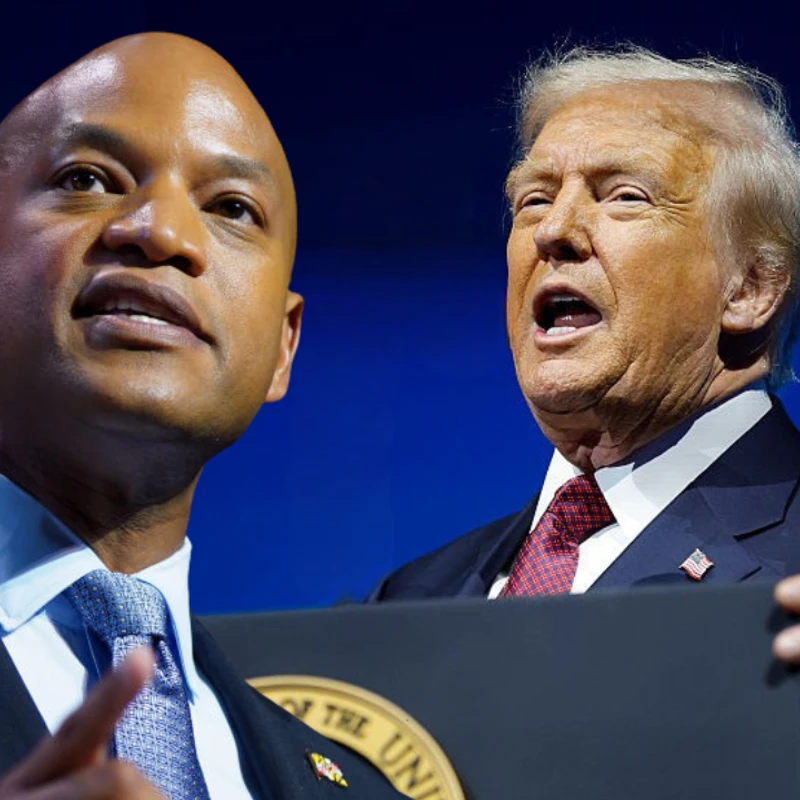
    Maryland Governor Wes Moore extended a public invitation to Donald Trump to join him, Baltimore Mayor Brandon Scott, and other city leaders for a walk focused on public safety. However, Trump’s response was far from welcoming, rejecting the invitation and labeling it “nasty and provocative.”

    An Invitation Met with Rejection

    Moore had sent the invitation both formally and via social media, aiming to highlight Baltimore’s progress in combating crime and showcase successful data-driven strategies. He pointed to a 20 percent drop in homicides across Maryland since his inauguration and significant reductions in violent crime within Baltimore during the first half of 2025.

    Trump, however, took to Truth Social to criticize the governor’s outreach. He described the invitation as “nasty and provocative,” accused Moore of misrepresenting crime statistics, and declared Baltimore a “crime disaster.” Trump asserted that Moore’s crime record was “very bad” and insisted the governor should fix the city before extending such invitations.

    A Public Exchange of Barbs

    Governor Moore quickly responded to Trump’s comments on Twitter. He suggested that Trump was actively avoiding walking the streets of Baltimore and, referencing Trump’s history with military service, mockingly called him “President Bone Spurs.” Moore even joked that if walking proved too difficult for Trump, a golf cart could be provided.

    Trump escalated his criticism further, warning that he could deploy federal troops to address Baltimore’s crime issues and even threatening to reconsider federal funding for the Francis Scott Key Bridge reconstruction. This exchange highlights the starkly different approaches the two political figures take towards public safety and urban challenges.

    Contrasting Views on Public Safety

    The public spat underscores a fundamental disagreement: Moore emphasizes progress made through community-focused initiatives and partnerships, while Trump portrays Baltimore as a city in crisis, advocating for strong federal intervention. What began as an invitation for collaboration has rapidly devolved into a very public political confrontation.

    What are your thoughts on the exchange between Governor Moore and Donald Trump? Do you agree with Trump’s assessment of Baltimore, or do you believe Moore’s approach is more effective? Share your opinions in the comments below!