Tag: Weather

  • Tropical Storm Tapah Disrupts Southern China & Hong Kong

    Southern China and Hong Kong faced significant disruptions on September 8th as Tropical Storm Tapah made landfall. The storm brought intense rain and strong winds, impacting daily life and travel for thousands.

    Mass Evacuations in Guangdong

    In Guangdong province, a major southern region of China, over 200,000 people were reportedly evacuated from their homes. The China Meteorological Administration confirmed that Tapah officially hit land around 8:50 a.m. local time near Taishan City.

    The storm’s approach and presence led to widespread closures and cancellations. Schools were shut down, court hearings were rescheduled, and essential transportation services, including trains and ferries, experienced temporary halts. Guangdong’s Emergency Management Department also took the step of closing all parks and beaches across the province.

    Travel Chaos in Hong Kong

    Nearby Hong Kong also felt the brunt of Tapah, particularly with severe flight disruptions at its international airport. By 5 p.m. local time on September 8th, approximately 140 flights were cancelled, and another 370 faced delays.

    These disruptions were attributed to the strong winds and challenging crosswinds caused by the storm. In response to the severe weather, Hong Kong issued its third-highest storm warning, the No. 8 signal, highlighting the significant threat posed by Tapah.

    Understanding Typhoons

    It’s worth noting that a typhoon is essentially a tropical cyclone. The term ‘typhoon’ is specifically used for these weather events in the Northwest Pacific region. Depending on where they occur globally, they are known by different names, such as hurricanes in the North Atlantic or simply tropical cyclones in other parts of the world.

    Guangdong province is no stranger to these powerful storms, having experienced 16 typhoons so far this year. While typhoon season typically runs from May to December, they are most common between July and October.

    Have you ever experienced travel disruptions due to a tropical storm? Share your stories and tips in the comments below!

  • Why Rainy Days Trigger Joint Pain

    That old saying, “I can feel it in my bones,” might be more accurate than you think! Many people, especially those with arthritis or past injuries, find their joint pain flares up when the weather turns damp. Let’s dive into the science behind why storms seem to amplify aches and what you can do about it.

    The Pressure Cooker: Barometric Pressure’s Role

    The main culprit behind those rainy-day joint aches is falling barometric pressure – essentially, the weight of the air around us. When storms are on the horizon, this pressure drops. For healthy joints, this slight change is unnoticeable. However, in joints already dealing with arthritis, injury, or inflammation, this minor tissue expansion can cause problems.

    This pressure shift can increase pressure on nerves, reduce the space between bones, and irritate the inflamed fluid within your joints. It doesn’t create new issues but rather intensifies existing ones. It’s why many people with osteoarthritis, rheumatoid arthritis, or old injuries often sense a storm coming hours before it arrives!

    Temperature and Humidity: Adding to the Discomfort

    Rain rarely comes alone; it often brings cooler temperatures. Cold weather can cause muscles and tendons to tighten, leading to reduced flexibility and increased stiffness. It also thickens the synovial fluid, the natural lubricant in your joints, making movement feel more difficult.

    Humidity can also play a role, potentially increasing inflammation in sensitive tissues. While research is still exploring its direct impact, many individuals with arthritis report their worst pain occurs during damp conditions. Combine these factors – falling pressure, cold, and humidity – and you have a perfect storm for joint discomfort.

    The Mind-Body Connection: How Perception Intensifies Pain

    It’s not just physical changes; the weather can also affect how we perceive pain. Gloomy skies and rain can lower our mood, and studies show that negative emotions can amplify pain signals. This creates a cycle: gloomy weather leads to a lower mood, which increases pain sensitivity, which in turn makes the gloomy weather feel even worse.

    Furthermore, the expectation of pain can become a self-fulfilling prophecy. If you believe storms trigger your arthritis, you might unconsciously tense up or focus more on the discomfort, intensifying the experience. It’s a complex interplay between our physical state and our mental outlook.

    Who Feels It Most?

    • **People with Arthritis:** Both osteoarthritis and rheumatoid arthritis sufferers often report weather sensitivity.
    • **Previous Injury Sites:** Old fractures or trauma areas can ache years later.
    • **Older Adults:** Age-related wear and tear make seniors more susceptible.
    • **Fibromyalgia Patients:** Weather sensitivity is a common symptom.
    • **Migraine Sufferers:** Many experience headaches triggered by the same pressure changes.

    Strategies for Managing Weather-Related Pain

    While you can’t change the weather, you can take steps to minimize its impact on your joints. Staying warm and dry is key. Layering clothing helps maintain body temperature, and using heating pads or warm baths can loosen stiff joints. Keeping indoor temperatures comfortable and wearing moisture-wicking fabrics can also help.

    Keep Moving!

    It might be tempting to hibernate, but gentle movement is crucial. Regular stretching maintains flexibility, and indoor walking can prevent stiffness. Water exercises offer a low-impact option, while yoga and tai chi can improve balance and reduce tension.

    Proactive Joint Support

    Consider using compression sleeves for warmth and stability, wearing supportive footwear, and using ergonomic tools to reduce joint strain. Maintaining a healthy weight also significantly minimizes pressure on your joints.

    Anti-Inflammatory Approaches

    A diet rich in omega-3 fatty acids (like the Mediterranean diet), adequate hydration, and potentially supplements like turmeric and ginger (after consulting your doctor) can help. Limiting processed foods and excess salt is also beneficial.

    When Pain Signals Something More

    Occasional aches are normal, but seek medical attention if your pain significantly limits daily activities, is accompanied by swelling that doesn’t improve, joint warmth or redness (signs of infection), or if symptoms are new or worsening. Persistent sensitivity might indicate an underlying condition like undiagnosed arthritis.

    Leveraging Technology for Prediction and Preparation

    Modern technology can be a great ally! Weather apps that track barometric pressure can alert you to upcoming changes. Pain tracking apps can help you identify patterns between your symptoms and the weather. Smart home devices can even help maintain optimal indoor temperature and humidity.

    Living Well, Despite the Forecast

    Weather-related joint pain can be challenging, but it doesn’t have to control your life. Understanding the causes empowers you to manage it effectively. Accept that some days will be tougher, prepare in advance when storms are forecast, and maintain consistent healthy habits. Focus on what you can control and build a support network for those difficult days.

    While science explains much, individual experiences vary. Genetics, overall health, and psychological factors all play a role. Take comfort in knowing your pain is real, and with preparation, self-care, and medical support when needed, you can maintain a high quality of life, no matter what the barometer reads.

    How do you manage joint pain during rainy weather? Share your best tips and strategies in the comments below!

  • Hurricane Erin Causes Chaos Along East Coast

    Even though Hurricane Erin isn’t making a direct landfall, its immense power is already causing significant disruptions along the entire East Coast. From Florida all the way up to New England, the storm is generating dangerous conditions, prompting evacuations and widespread alerts.

    A Dangerous Storm’s Reach

    Having rapidly intensified from a tropical storm to a Category 5 hurricane over the weekend before settling back to a Category 4, Erin’s sheer size is a major concern. Its outer bands have already brought heavy rain to Puerto Rico, leaving approximately 100,000 residents without power, according to Governor Jenniffer González-Colón. The Turks and Caicos Islands and parts of the Bahamas are also under tropical storm warnings, with the potential for flash flooding and mudslides.

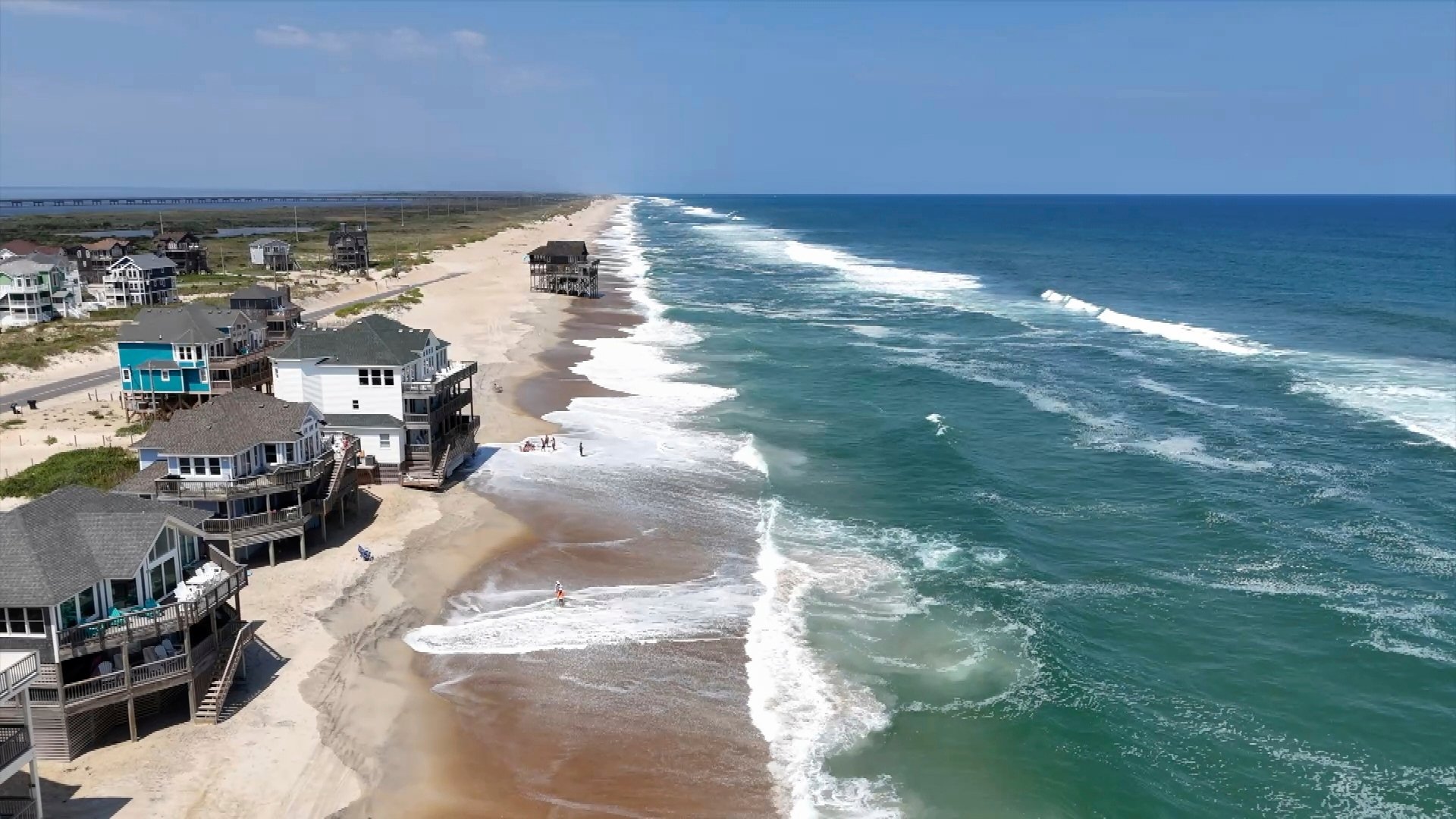
    The National Weather Service in Morehead City, North Carolina, issued a stark warning: “This is not the week to swim in the ocean.” Dare County Emergency Management in North Carolina declared a mandatory evacuation for Hatteras Island, citing the life-threatening risks from surf and flooding. Officials are emphasizing that even though Erin is expected to stay offshore, the threat of rip currents and high surf along the beaches is very real.

    Coastal Impacts and Warnings

    Forecasters are predicting waves as high as 20 feet, which will likely lead to extensive beach erosion, particularly along the Outer Banks. Officials have warned that sections of N.C. Highway 12 on Hatteras Island may be impassable for several days due to the severe weather. With August still bringing heavy beach crowds, authorities are strongly urging everyone to heed the rip current alerts and stay informed about the storm’s progression throughout the week.

    Have you been affected by Hurricane Erin’s conditions? Share your experience in the comments below!

  • Hurricane Erin Forces Outer Banks Evacuations

    Hurricane Erin is making its presence felt along the North Carolina coast, prompting evacuations on the Outer Banks. While the storm is expected to track offshore, authorities are warning of significant threats, including dangerous rip currents and potential coastal flooding, even as the peak of tourist season continues.

    Preparing for the Storm

    Holly Andrzejewski, who recently purchased the historic Atlantic Inn on Hatteras Island, had to reschedule her first guests due to the approaching storm. She and her husband took measures to secure their property, ensuring their innkeepers had generators, extra water, and flashlights. “It’s just one of those things where you know this is always a possibility and it could happen, and you just make the best out of it,” Andrzejewski commented, reflecting the resilient spirit of beach communities.

    The storm, though expected to curve north and away from the East Coast, has led to tropical storm and surge watches for much of the Outer Banks. Officials in Wrightsville Beach reported rescuing at least 60 swimmers from rip currents on Monday alone, highlighting the immediate dangers posed by the storm’s outer bands.

    Evacuations and Vulnerabilities

    Evacuations have been ordered for barrier islands like Hatteras Island and Ocracoke. This comes during the busy tourist season for these low-lying islands, which are increasingly susceptible to storm surges. Concerns are high that several days of heavy surf, strong winds, and waves could damage or even wash out sections of the main highway, potentially leaving some routes impassable for days.

    For Ocracoke, this is the first evacuation since Hurricane Dorian in 2019, which caused unprecedented damage. Tommy Hutcherson, owner of the island’s only grocery store, expressed cautious optimism, recalling the impact of Dorian and hoping Erin won’t be as severe, though acknowledging the unpredictability of such storms.

    Climate Change and Hurricane Intensity

    Scientists are increasingly linking the rapid intensification of Atlantic hurricanes to climate change. Factors like warmer ocean temperatures and increased atmospheric water vapor provide hurricanes with more fuel, allowing them to strengthen more quickly and unleash heavier rainfall. Bermuda is expected to face the most severe threat by Thursday evening, with potential swells reaching up to 24 feet.

    Have you ever experienced a hurricane or severe weather event? Share your preparedness tips and experiences in the comments below!