Tag: Voting Rights Act

  • CBC Blocks Athlete Pay Bill Amid Gerrymandering Boycott Calls

    The Congressional Black Caucus (CBC) has taken a firm stance, blocking a key bill aimed at stabilizing college athlete compensation. This move is directly tied to ongoing concerns about GOP gerrymandering and its impact on Black voting rights across the South.

    A Bold Stance on the SCORE Act

    Just a week after aligning with the NAACP to encourage Black student athletes to boycott Southern states involved in redistricting, the CBC is amplifying its message. They’ve declared they won’t support any legislation that benefits major athletic institutions remaining silent on the systematic dismantling of Black political power.

    This decision marks a significant shift, as some members had previously shown support for the SCORE Act (Student Compensation and Opportunity Through Rights and Endorsements Act). The act itself aims to create a national framework for college sports and Name, Image, and Likeness (NIL) compensation, while shielding the NCAA and universities from antitrust lawsuits.

    Concerns Over Athlete Power and NCAA Influence

    Even some Republican lawmakers, like Florida Rep. Byron Donalds, voiced concerns, arguing the SCORE Act could grant the NCAA too much control over student-athletes. The sentiment from the CBC is clear: for generations, Black athletes have fueled college athletics, yet many institutions are silent as Black voting rights face coordinated attacks.

    The caucus stated, “This is not politics as usual. This is a defining moral moment for our country.” The SCORE Act’s goal was to provide the NCAA with limited antitrust protection regarding NIL rights, transfers, and eligibility. President Donald Trump had actively promoted the bill, even contacting figures like Nick Saban to garner support.

    Expanding the Call to Action

    Without the crucial votes from the CBC, the SCORE Act was pulled from the House floor. This action follows the NAACP’s call for a boycott of Southern schools by Black student athletes, a response to the gutting of the Voting Rights Act. The CBC is now extending this call to businesses nationwide.

    Letters have been sent to over 250 companies, urging them to take a stand against GOP redistricting efforts that the CBC believes are designed to silence Black voters. This push comes nearly six years after the murder of George Floyd, a moment that spurred significant DEI commitments from many corporations.

    • Companies like Apple, Amazon, Google, and Microsoft previously pledged support for racial equity.
    • The CBC is testing whether these commitments were principle-based or merely convenient.
    • Some corporations, like Target, have faced boycotts after rolling back DEI practices.

    Rep. Yvette Clarke emphasized the responsibility of corporations: “Corporations that have profited from Black consumers, relied on Black workers, and amassed wealth in part from Black communities cannot look away while Black political power is dismantled in plain sight.”

    What do you think about the CBC’s decision and their call to businesses? Let us know your thoughts in the comments below!
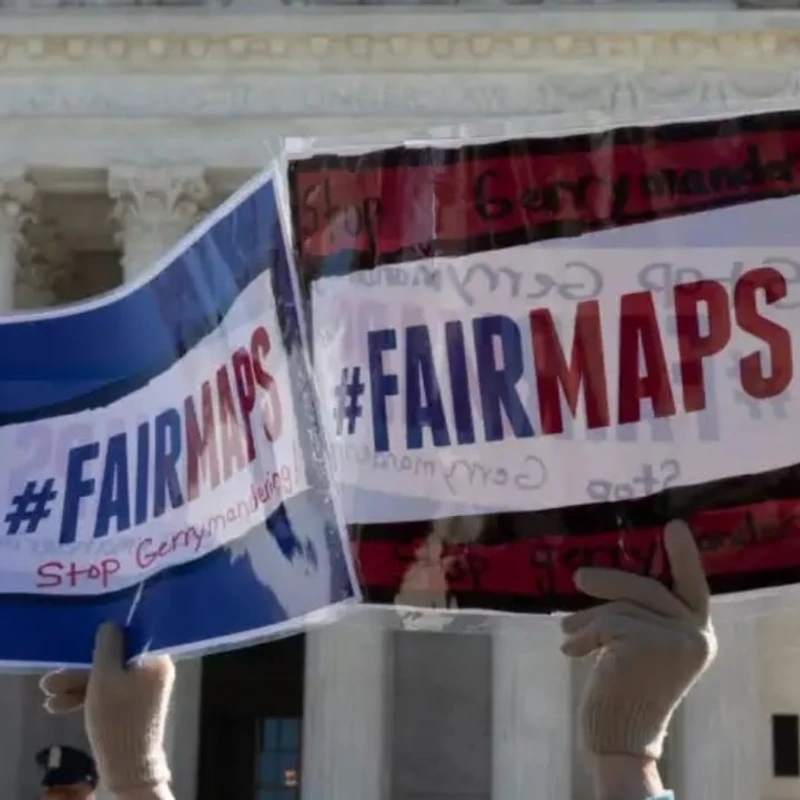
  • Court Blocks Alabama Map Diluting Black Voting Power

    In a significant victory for Black voters in Alabama, a federal court has issued a preliminary injunction blocking the state’s newly drawn congressional map. This ruling temporarily preserves a second majority-Black district, a crucial element for ensuring equal representation in a state with a substantial Black population.

    A Temporary Reprieve for Black Voters

    The decision by a three-judge panel means that Alabama’s 2024 congressional map, which includes two districts where Black voters form a majority, will remain in place for now. This comes as a moment of relief following the U.S. Supreme Court’s recent decision that weakened protections under the Voting Rights Act of 1965, which had previously made it harder to challenge discriminatory redistricting.

    Black Alabamians, who constitute about a third of the state’s population, have been engaged in a protracted legal battle to maintain fair representation. Lawyers representing Black voters argued that the map passed by Alabama Republicans intentionally discriminated against them and would eliminate the Democratic-leaning district represented by U.S. Rep. Shomari Figures.

    The Legal Battle and Potential Appeals

    While this ruling is a step in the right direction, the fight is far from over. Alabama could still appeal the decision to the U.S. Supreme Court. The Supreme Court’s recent ruling in Louisiana v. Callais, which argued that a map with two majority-Black districts was discriminatory against white voters, sets a precedent that could be used by the state.

    Rep. Figures expressed cautious optimism, stating, “I am pleased with the Court’s decision, but this case is still not over.” He anticipates an appeal to the Supreme Court and acknowledges that “there is still a long way to go before this fight is settled.”

    A Trend of Diluting Black Voting Power

    This legal battle in Alabama is part of a broader trend across several Southern states, including Tennessee, South Carolina, Mississippi, and Florida. Following the Supreme Court’s decision, these Republican-controlled states have redrawn congressional maps, often targeting majority-Black districts represented by Black members of Congress. Voting rights advocates and the Congressional Black Caucus (CBC) have strongly condemned these actions.

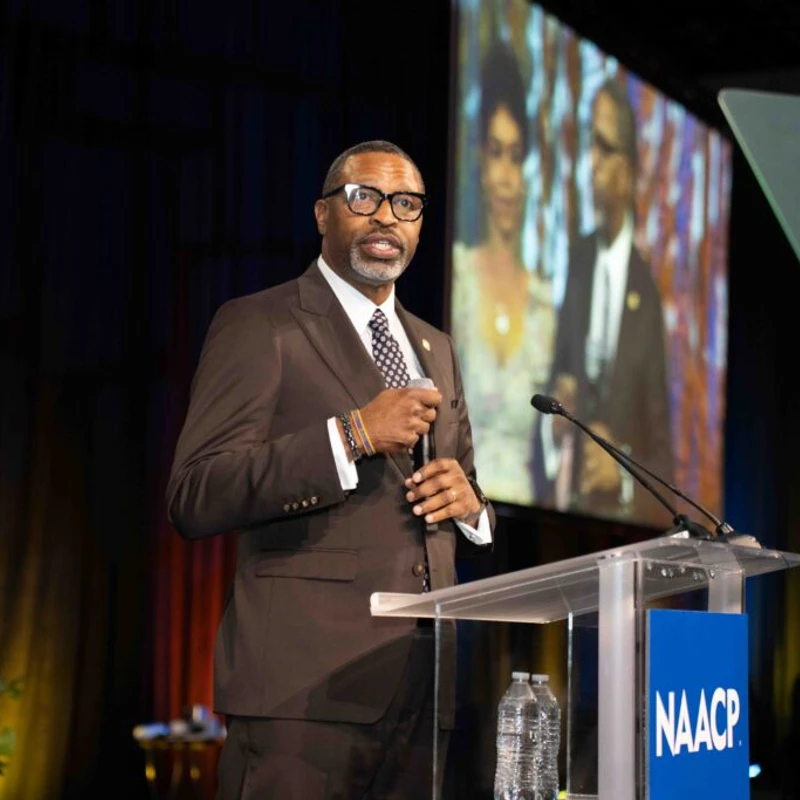
    The NAACP and the CBC have called for boycotts against public universities in states where Black voters’ power is being diluted. NAACP President and CEO Derrick Johnson stated, “Our goal is to ensure that Black communities can elect candidates of their choice. These are states with long-standing histories of racial discrimination… Race is the predominant factor.”

    A Call for Corporate Action

    The CBC has also urged U.S. companies to speak out against these redistricting efforts, which they argue are designed to boost Republican power. U.S. Rep. Yvette D. Clarke, chairwoman of the CBC, emphasized that corporate silence in the face of dismantling Black political representation is not neutrality but complicity. She called on corporations to reaffirm their commitments to voting rights and equal representation, principles many pledged to uphold just a few years ago.

    What are your thoughts on the ongoing fight for voting rights and fair representation? Share your views in the comments below.

  • NAACP Urges Black Athletes to Boycott SEC Schools

    In a powerful move against what it calls racial gerrymandering, the NAACP is urging Black student-athletes to reconsider their commitments to universities within the Southeastern Conference (SEC). This call to action comes in response to Republican-controlled southern states redrawing voter maps, which critics argue dilutes Black voting power following a significant Supreme Court decision.

    The Supreme Court Ruling and Its Aftermath

    The controversy gained momentum after the Supreme Court’s ruling in ‘Louisiana v. Callais.’ This decision struck down a congressional map that included two majority-Black districts in Louisiana, labeling it racial gerrymandering. This ruling has seemingly opened the door for other Republican-led states, such as Alabama and Florida, to redraw their congressional lines, potentially giving GOP candidates an advantage in upcoming elections.

    Voting rights advocates argue that these redrawn maps disproportionately affect and eliminate districts where Black communities have historically held significant representation and voting power. The NAACP views this as a direct attack on the Black vote.

    NAACP’s Campaign and Target Schools

    In response, the NAACP launched a campaign on Tuesday, specifically targeting Black student-athletes. The organization is asking them to withhold commitments from universities, particularly those in the NCAA’s Southeastern Conference. This conference includes prominent institutions in states like Tennessee, Louisiana, Alabama, Florida, Mississippi, South Carolina, Texas, and Georgia.

    NAACP National President and CEO Derrick Johnson stated, “The NAACP will not watch the same institutions that depend on Black athletic prowess to fill their stadiums and their bank accounts remain silent while their states strip Black communities of their voice.” The organization believes that leveraging the economic and cultural influence of Black athletes is a crucial strategy to combat these political maneuvers.

    Support from D.L. Hughley and NIL Implications

    Comedian and commentator D.L. Hughley has publicly backed the boycott, describing the current situation as a “new era of Jim Crow.” He urged Black athletes, especially highly-rated recruits, not to support states that are enabling racial gerrymandering. Hughley pointed out the significant revenue generated by Black athletes in the SEC, particularly in football and basketball, and suggested that their collective power, especially with Name, Image, and Likeness (NIL) opportunities, could force institutions and politicians to the negotiating table.

    Hughley argued, “If you’re a four- or five-star athlete, you can get NIL money anyway. You don’t need to go there.” He believes that if top-tier athletes stop committing to SEC programs, it would spark serious conversations among athletic organizations, university presidents, and even Congress, highlighting the economic leverage these athletes possess.

    • The NAACP is calling for a boycott of SEC schools by Black athletes.
    • The boycott is a response to voter map redrawing in Southern states.
    • Critics argue these maps dilute Black voting power.
    • The Supreme Court’s ‘Louisiana v. Callais’ ruling is a key factor.
    • D.L. Hughley supports the boycott, calling it a new form of Jim Crow.

    The NAACP’s stance underscores the intersection of sports, politics, and civil rights. By urging athletes to use their platform and influence, the organization aims to draw national attention to voting rights issues and push for equitable representation across the South.

    What are your thoughts on the NAACP’s call for Black athletes to boycott SEC schools? Do you think it’s an effective strategy? Share your opinions in the comments below!

  • CBC Joins NAACP Boycott of College Sports

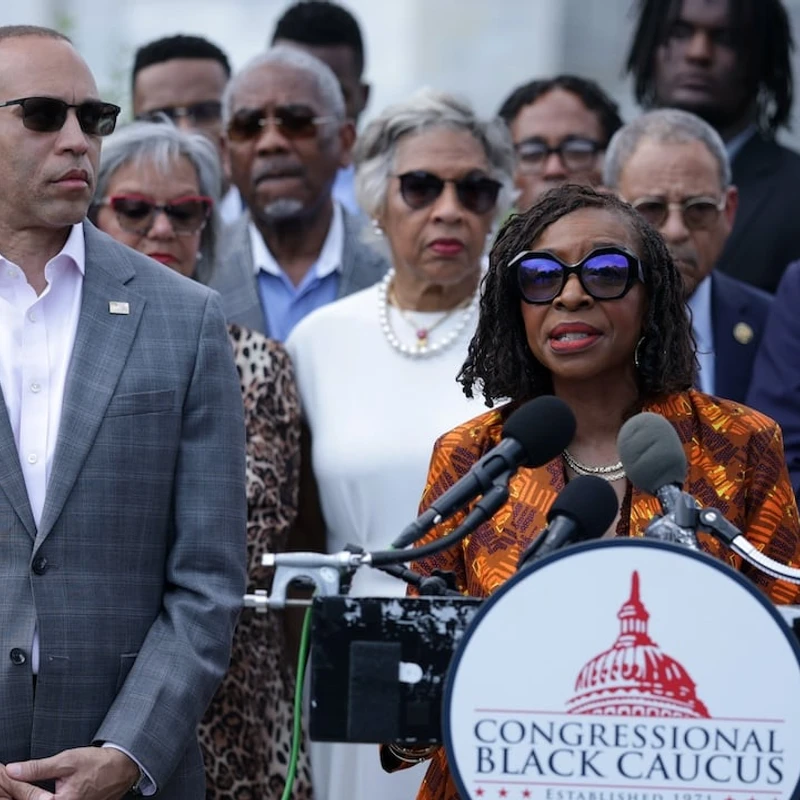
    In a powerful display of solidarity, the Congressional Black Caucus (CBC) has officially joined the NAACP’s call for a boycott of athletic programs at public universities. This bold move, dubbed the “Out of Bounds” campaign, targets institutions that remain silent in the face of attacks on Black political power, particularly in Southern states.

    An Unprecedented Response to Voting Rights Rollbacks

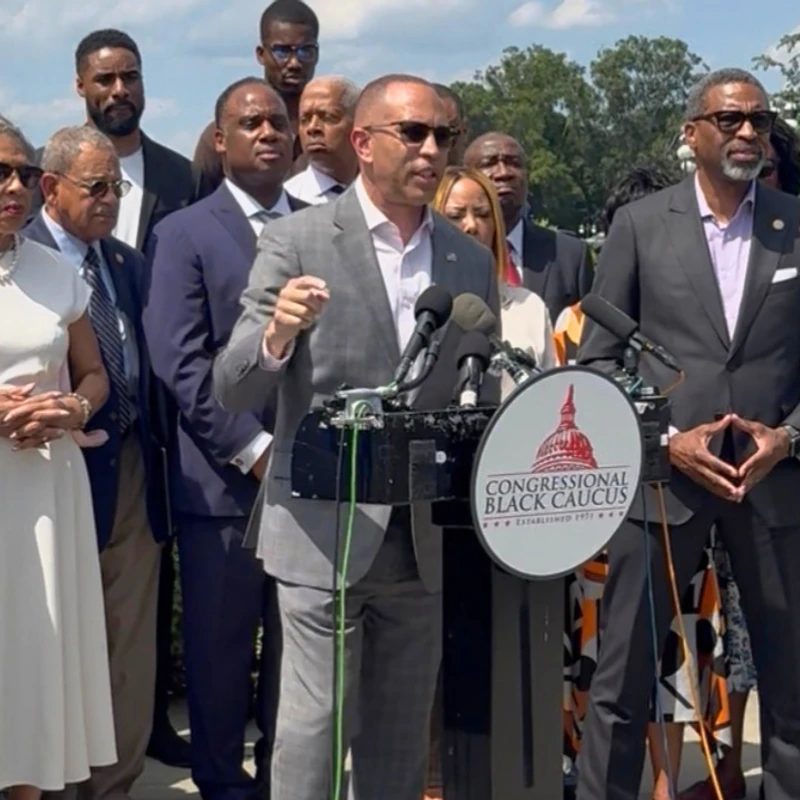
    The boycott stems from the Supreme Court’s decision to gut the Voting Rights Act, which has led to subsequent efforts by Southern states to eliminate Black representation through racially gerrymandered congressional maps. U.S. Rep. Hakeem Jeffries, D-N.Y., slammed states like Louisiana, Alabama, Tennessee, Georgia, and Florida for employing what he called “Jim Crow-like, racially oppressive tactics.” He emphasized that this unprecedented attack on Black political representation demands an equally unprecedented response.

    During a press conference on Capitol Hill, dozens of CBC members co-signed the NAACP’s boycott. The campaign urges Black athletes and fans to withdraw their financial support from public state universities within the NCAA Southeastern Conference. It also calls on aspiring college athletes to avoid attending any university in a Southern state that has not publicly condemned the wave of voter suppression tactics.

    Silence is Complicity

    CBC Chairwoman U.S. Rep. Yvette D. Clarke, D-N.Y., stated that the success and influence of major athletic conferences are inseparable from the contributions of Black communities. She stressed that Black political representation is not a secondary issue but a defining moral moment for the nation. “The Congressional Black Caucus cannot support legislation benefiting major athletic institutions that continue to remain silent while Black voting rights and Black political power are being systematically dismantled across the South,” Clarke declared.

    NAACP President Derrick Johnson explained that the boycott follows the success of previous campaigns, like the one against Target, and draws on historical precedents. He referenced the impact athletes have had in past civil rights movements, citing figures like Jim Brown, Kareem Abdul-Jabbar, and Muhammad Ali. Johnson urged parents of young athletes to understand the power they hold and the potential impact of choosing not to play for state schools that deny representation.

    Leveraging Athlete Power

    U.S. Rep. Maxine Waters, D-Calif., echoed the sentiment, calling for significant economic consequences for institutions that fail to speak out against racial injustice. She drew parallels to Colin Kaepernick’s protest, emphasizing a willingness to fight for justice by any means necessary. The CBC’s solidarity with the NAACP marks a significant escalation in the ongoing fight to protect Black voting rights.

    • The CBC has joined the NAACP’s “Out of Bounds” campaign.
    • The boycott targets public university sports programs in Southern states.
    • It calls for athletes and fans to divest financially from these institutions.
    • The campaign aims to pressure universities to speak out against voting rights rollbacks.
    • It highlights the historical power of athletes in social justice movements.

    Leader Jeffries concluded, “The silence from our institutions in moments of injustice carries consequences.” He urged American institutions to meet this moment with courage and conviction, stating, “History will remember who chose to stand for democracy and equal representation and who chose silence.”

    What are your thoughts on the “Out of Bounds” campaign? Do you think boycotting college sports is an effective way to fight for voting rights? Share your opinions in the comments below!

  • Wes Moore Fights to Redraw Maryland’s Voting Map

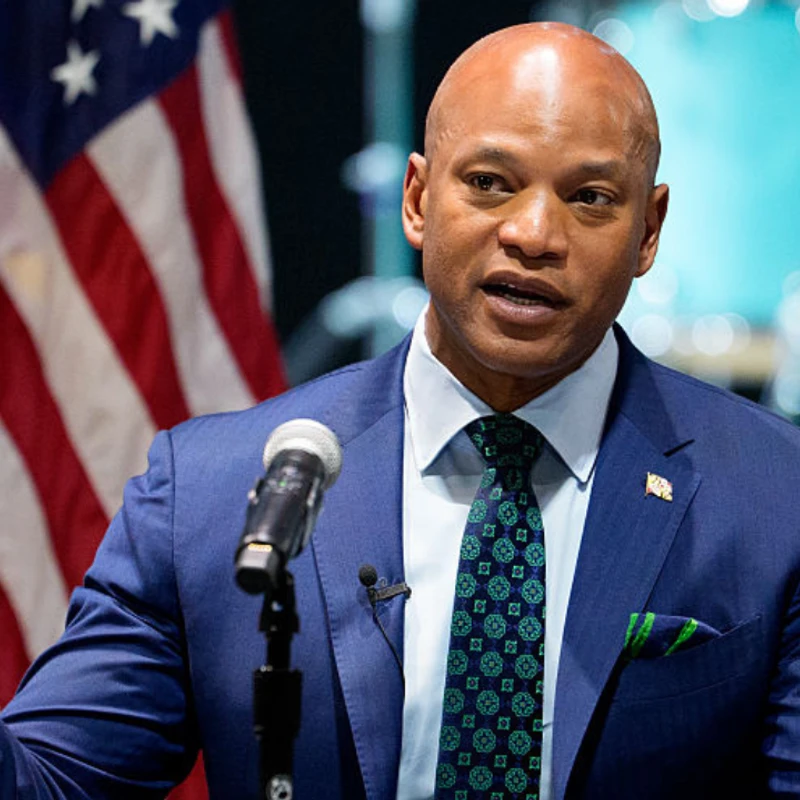
    Maryland Governor Wes Moore is standing firm in his commitment to redraw the state’s voting map, declaring, “I’m not backing down.” He sees the current political climate and recent court rulings as a significant threat to civil rights and voting power, especially for Black Americans.

    The Fight for Fair Representation

    Governor Moore has been actively pushing for Maryland to join the national redistricting conversation ahead of the 2026 midterm elections. This push comes in response to a broader trend initiated by President Donald Trump, who urged Republican-led states to redraw congressional maps. This move aims to gain a competitive edge, particularly in the battle for control of the U.S. House of Representatives.

    While Democratic governors in states like California and Virginia have also pursued new maps, Maryland’s efforts have faced internal opposition from fellow Democrats, notably Senate President Bill Ferguson. However, the recent Supreme Court ruling in *Louisiana v. Callais*, which weakened Section 2 of the Voting Rights Act, has amplified the urgency and public outcry, giving Moore more political momentum.

    A ‘Greatest Assault on Civil Rights’

    Moore has been vocal about the implications of the *Callais* ruling, which he predicted back in January. He describes the subsequent actions by Republican-controlled states to eliminate majority-Black districts as “the greatest assault on civil rights.” The ruling, coupled with the Virginia Supreme Court’s decision to strike down a voter-approved redistricting measure, has put millions of Black Americans at risk of losing congressional representation.

    He believes inaction is not an option. “There is no way that we are just going to sit there and watch the world change and somehow think it’s OK for us to just stay quiet,” Moore stated, likening the situation to “a robbery happen[ing] in broad daylight.” He emphasizes the need for proactive engagement in shaping the conversation around democracy.

    Inspiration and Urgency

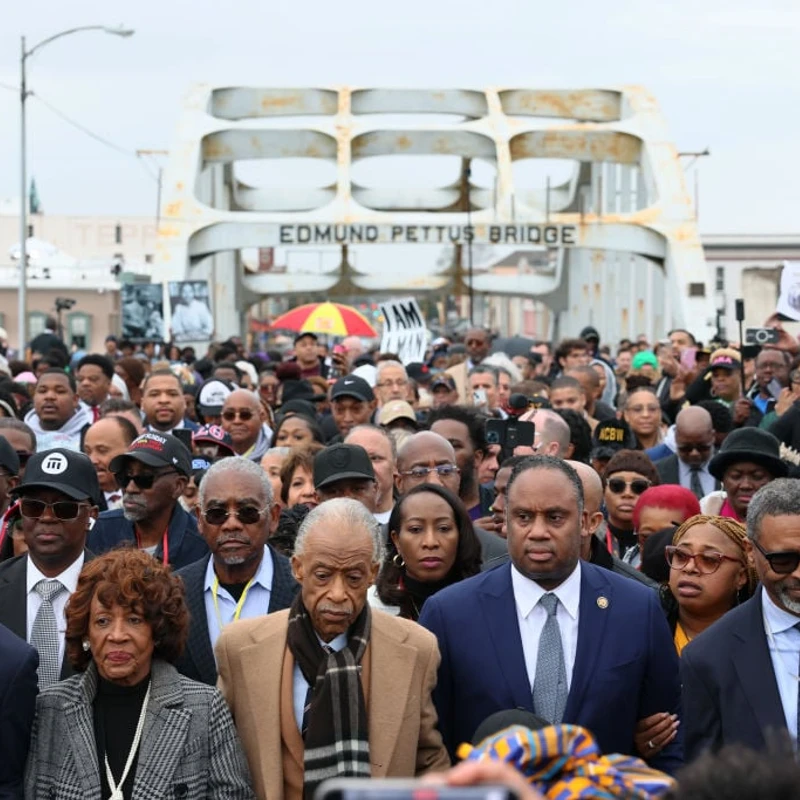
    Governor Moore drew inspiration from the “All Roads Lead to the South” mass demonstration, where thousands marched across the historic Edmund Pettus Bridge. He noted the powerful message of collective control over democracy, stating, “It reminded people of our own power, which I think we need in this moment.” Although he couldn’t attend due to a prior commitment to speak at Johnson C. Smith University’s commencement, the event resonated with him.

    Reflecting on his commencement address to HBCU graduates, Moore highlighted the rapidly changing world they are entering. He expressed concern that future generations might have fewer freedoms and rights than their parents, underscoring the critical need for vigilance and action in protecting democratic principles and voting rights.

    What are your thoughts on Governor Moore’s stance on redistricting and voting rights? Share your views in the comments below!

  • Voting Rights Rally Unites Generations in the South

    Imagine the echoes of history reverberating through the streets as thousands gather, united by a common cause. That’s exactly what happened recently in Montgomery, Alabama, where the ‘All Roads Lead To The South’ rally brought together a powerful coalition of old and new generations. Their mission? To champion Black voting rights in the face of recent challenges.

    A Call to Action in Historic Spaces

    This significant gathering occurred just weeks after a Supreme Court decision weakened the Voting Rights Act and amid concerning gerrymandering efforts in states like Louisiana and Tennessee. Thousands marched, drawing inspiration from the very spaces that historically paved the way for the Voting Rights Act’s passage. It was a powerful reminder that the fight for equality is an ongoing journey.

    The rally culminated at the Alabama State Capitol, a symbolic location that connects directly to the pivotal 1965 Selma-to-Montgomery march. Back then, peaceful civil rights marchers faced brutal violence on ‘Bloody Sunday,’ and the televised attacks galvanized national support. This recent event echoed that spirit, demanding awareness of the disenfranchisement faced by Black voters across the South.

    Bridging Generations for a Common Cause

    The energy in Montgomery was palpable, with shouts and chants filling the air, all focused on the crucial power of the Black vote. Attendees included prominent figures like Montgomery Mayor Steven L. Reed, Rep. Alexandria Ocasio-Cortez, Sen. Cory Booker, Sen. Raphael Warnock, Rep. Terri Sewell, and Rep. Shomari Figures. They joined thousands who traveled from near and far, thanks to dedicated grassroots organizing.

    Mayor Reed, the first Black mayor of Montgomery, emphasized the rally’s significance: ‘We’re here, Montgomery, not at a stopping point, but at a starting point.’ He highlighted the courage and commitment of past generations, acknowledging their foundational role in the ongoing struggle for civil rights.

    Concerns Over Representation

    Rep. Shomari Figures voiced concerns about recent political maneuvers, noting, ‘When Republicans are literally turning back the clock on what representation… looks like across this country, then I think it starts to resonate with people in a little bit of a different way.’ His own congressional seat is potentially affected by redistricting efforts, underscoring the real-world impact of these political battles.

    Sen. Cory Booker echoed the sentiment, calling Montgomery ‘sacred soil.’ He issued a stark warning: if the fight for voting rights isn’t waged now, ‘we will lose the gains and the rights and the liberties that our ancestors afforded us.’ His words served as a powerful call to action for everyone present.

    A Personal Connection to the Cause

    For many attendees, especially those with family ties to the Civil Rights Movement of the 1960s, this fight felt deeply personal. Carole Burton, a Montgomery resident, shared her powerful connection: ‘My grandmama, my momma, my mother-in-law – our ancestors did not cross that bridge, walk during the bus boycott… we didn’t do all that for this.’ Her words powerfully captured the intergenerational commitment to securing fundamental rights.

    The ‘All Roads Lead To The South’ rally wasn’t just a demonstration; it was a vibrant testament to the enduring spirit of activism. It highlighted the critical need to protect voting rights and ensure that every voice can be heard, bridging the past, present, and future in a unified demand for equality.

    What are your thoughts on the current fight for voting rights? Share your perspective in the comments below!

  • Mass Gathering in South Amid Voting Rights Rollback

    In response to what organizers are calling the greatest setback for Black political power since the post-Reconstruction era, thousands are set to gather in the South this weekend. This mass mobilization, dubbed the “All Roads Lead to the South” National Day of Action, is taking place in Montgomery and Selma, Alabama, historic ground for the Civil Rights Movement. It’s not framed as a protest, but rather a profound “calling in” to address the erosion of voting rights in former Confederate states.

    A ‘Calling In’ for Democracy

    LaTosha Brown, a prominent voting rights activist and co-founder of Black Lives Matter, emphasized the event’s unique nature. “This is not a protest. This is a calling in. In many ways, it’s like an altar call,” she explained during a virtual press conference. The goal is to unite people of goodwill who believe in a strong democracy, respect Black voting power, and advocate for free and fair elections. Organizers are calling on individuals from across the country to stand in solidarity.

    Brown was joined by Janai Nelson, president and director-counsel of the Legal Defense Fund (LDF). Nelson recently argued the Supreme Court case, Louisiana v. Callais, on behalf of Black voters, a case that ultimately led to the gutting of the Voting Rights Act by the Court’s conservative majority on April 29. This decision has since prompted a wave of Republican-led states, including Louisiana, Alabama, Tennessee, South Carolina, and Georgia, to redraw congressional maps, effectively eliminating majority-Black districts.

    Betrayal by Institutions

    Nelson expressed deep disappointment, stating that while amplifying Black voters in powerful spaces was a privilege, “Unfortunately, those institutions have betrayed us.” She further elaborated that these institutions “cannot be relied on to provide the checks and balances that are needed in this moment to secure and safeguard our democracy” and have become “complicit in the destruction of it.”

    The organizers have deliberately chosen not to frame the event as a protest and are downplaying the roles of specific elected officials, though notable figures like Dr. Bernice King, U.S. Senators Raphael Warnock and Cory Booker, and Representatives Alexandria Ocasio-Cortez and Ayanna Pressley are expected to participate. The focus remains squarely on the people and the urgency of the moment.

    A Call for a ‘Third Reconstruction’

    The gathering is anchored in the faith tradition of the civil rights era, with participants led in a church service before embarking on a silent march across the Edmund Pettus Bridge. This symbolic walk honors the bravery of those who marched in 1965, facing brutal violence on what became known as “Bloody Sunday.” The coalition aims to foster gratitude for that moral courage and faith that the same spirit can move present generations.

    Organizers envision this moment as the dawn of a “Third Reconstruction,” a fundamental refounding of American democracy. They are not seeking temporary legislative fixes but a lasting system that ensures justice and works for everyone. Nelson stressed the need for comprehensive court reform, from the Supreme Court down to state courts, to ensure objective and independent judges free from political co-option and corruption. They also call for the dismantling of institutions that perpetuate the vestiges of slavery, including aspects of the Senate and the filibuster.

    Brown highlighted the significance of the gathering occurring during the 250th anniversary of the United States, noting that the nation’s founding vision did not reflect the full humanity of many communities. She asserted that “the people” – not political parties – are the true architects of the nation’s future, possessing the right to shape the country they desire and deserve.

    What are your thoughts on the “All Roads Lead to the South” National Day of Action? How can we best protect and expand voting rights for all Americans? Share your views in the comments below!

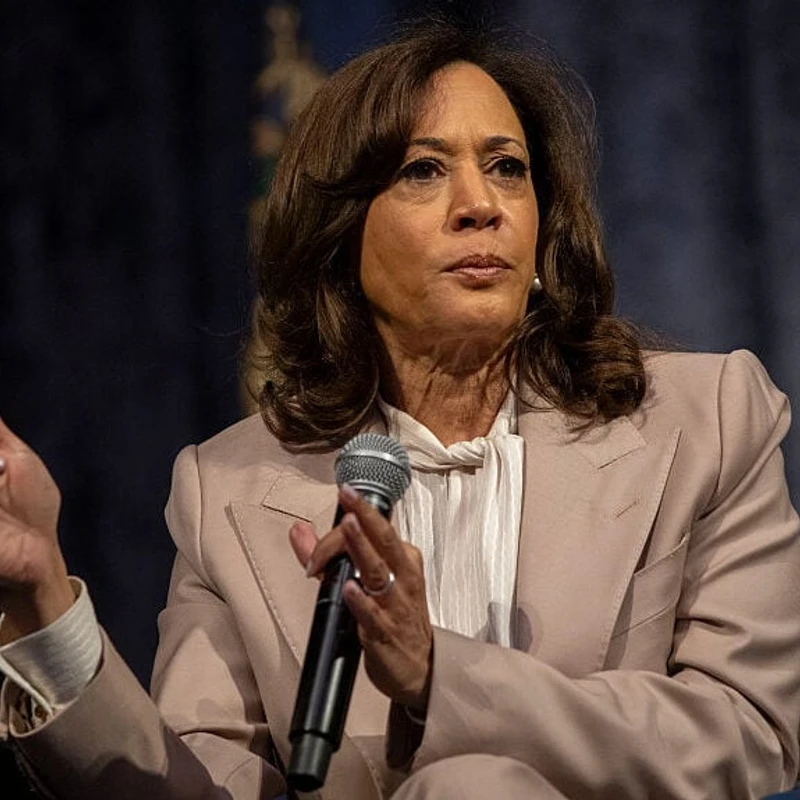
  • Kamala Harris Blasts Supreme Court Over Voting Rights

    Former Vice President Kamala Harris has joined a powerful chorus of Black women leaders in condemning the U.S. Supreme Court’s conservative majority. Following a recent ruling that significantly weakened the Voting Rights Act, Harris is calling for sweeping reforms to counteract what she describes as a ‘back-dooring of racism’ through political decisions.

    The Impact of the Supreme Court’s Ruling

    The Supreme Court’s April 29 decision in ‘Louisiana v. Callais’ has made it more difficult for Black voters to prove racial discrimination in redistricting cases. This ruling has prompted Republican-led states to swiftly redraw congressional maps, often targeting districts with significant Black populations that were previously protected under Section 2 of the 1965 Voting Rights Act. This move is seen as a direct attempt to dilute the political power of Black communities ahead of the November midterm elections.

    Speaking at an emergency virtual meeting hosted by Win with Black Women, Harris emphasized the urgency of the situation. “What they are doing is they are back-dooring racism behind politics to get to this decision and to justify what is happening in particular right now in all the southern states, and this is obviously a time for us to fight,” she stated, addressing the group of Black women leaders and organizers.

    Mobilizing Communities and Drawing on History

    Harris believes this ruling and the subsequent actions by Republican states will galvanize Black communities nationwide. She shared an anecdote about meeting students at North Carolina A&T University who protested the closure of a campus polling station, seeing it as a sign of fear from those who oppose the growing political power of young voters. “Gen Z, millennials, they’re not having it,” Harris asserted.

    Drawing inspiration from the Civil Rights era, Harris reminded the group that organizers and leaders have a ‘playbook’ to guide their resistance. She invoked the legacy of the ancestors, stating, “whose broad shoulders we stand on… show us the way and what a fight looks like.” Harris expressed confidence in the collective power of the community, declaring, “I know the power is ours, and I know we’re not about to let anybody take our power from us.”

    Calls for Sweeping Political Reforms

    Looking ahead, Harris outlined several bold political reforms that Democrats must consider to counter these challenges. These include serious reforms to the Supreme Court, such as expanding its number of justices, and even abolishing the Electoral College. She also voiced support for granting statehood to Washington D.C. and Puerto Rico.

    Furthermore, Harris proposed that if Democrats regain control of the Senate, the Senate Judiciary Committee should implement rules to penalize Supreme Court nominees who provide false testimony. She also called for establishing clear ethics rules for the Supreme Court, which currently faces historically low public approval ratings. Harris urged a ‘fight fire with fire’ approach, emphasizing the need for Democrats to play to win while remaining ethical and moral.

    A Fight Worth Having

    Concluding her remarks, Harris stressed the importance of recognizing one’s own power and the value of the fight ahead. “When you feel powerless, you are powerless. When you feel powerful, you are powerful. We are powerful,” she declared. While acknowledging the increased difficulty of the struggle, she expressed readiness for the fight, knowing what is at stake and that the cause is worth defending.

    What are your thoughts on Kamala Harris’s proposed reforms? Do you agree that the Supreme Court needs significant changes? Share your views in the comments below!

  • Redistricting Maps Harm Black Voters

    In a concerning trend for Black communities across the South, redistricting efforts are rapidly reshaping political landscapes, potentially diminishing the influence of Black voters. Recent rulings and legislative actions in Virginia and South Carolina highlight a significant challenge to Black political power at a time when these communities are already facing critical issues like affordability, environmental injustice, and healthcare disparities.

    Virginia Supreme Court Delivers a Blow

    Virginia’s Supreme Court recently delivered a significant setback to efforts aimed at protecting Black voters. Despite a voter-approved congressional map that favored Democrats, the court ruled the process was unconstitutional. This decision comes amidst a nationwide trend of Republican-led gerrymandering, allegedly orchestrated to maintain control of the U.S. House of Representatives.

    Virginia’s Attorney General, Jay Jones, the state’s first Black AG, criticized the ruling, stating the court contorted the law to fit a political agenda. The NAACP echoed this sentiment, calling the decision “unfortunate” and emphasizing that the voter-approved map was crucial for maintaining democratic balance.

    The Shadow of Louisiana v. Callais

    These developments are further exacerbated by the Supreme Court’s recent ruling in Louisiana v. Callais, which weakened the Voting Rights Act of 1965. This decision permits maps that dilute the influence of Black voters, provided the intent is political rather than explicitly racial. Critics argue this ruling effectively requires Black voters to prove overt racism to challenge discriminatory maps.

    NAACP President Derrick Johnson compared the Callais ruling to infamous 19th-century Supreme Court decisions like Dred Scott and Plessy v. Ferguson, signaling a grave concern for the future of voting rights and Black representation.

    GOP Maps Target Black-Majority Districts

    Across the South, Republican lawmakers are actively pushing maps that appear to dilute the voting power of Black communities. In Tennessee, the state’s only Black-majority district in Memphis was eliminated. South Carolina Republicans are targeting their sole Black-majority district, currently held by U.S. Rep. James Clyburn.

    Similar actions are underway in Alabama and Louisiana, where Republican lawmakers are considering eliminating districts that have historically ensured Black representation. U.S. Rep. Jasmine Crockett decried these moves as evidence that “the confederate states are for sure showing that they were never ridded of their racism.”

    A Call for Broader Engagement

    House Minority Leader Hakeem Jeffries condemned the Virginia ruling as “unprecedented and undemocratic” and highlighted the broader pattern of Republican “voter suppression.” He linked these actions to the Supreme Court’s weakening of the Voting Rights Act, warning of a “Jim Crow-like attack on Black representation.”

    The NAACP’s Derrick Johnson urged all Americans, not just African Americans, to recognize the stakes. He emphasized that with Black Americans making up only 13% of the population, the fight for inclusive representation and equitable policies requires a collective effort. The current attacks on voting rights, he argues, threaten the very foundation of American democracy.

    What steps do you believe are most crucial to protect voting rights for all Americans? Share your thoughts in the comments below.

  • Voting Rights Under Fire: Black Legislators Lead the Charge

    Imagine this: you’ve fought for decades to have your voice heard, and just when you think progress is made, the very foundations of your voting power are shaken. That’s the reality many Black communities are facing right now, following a significant Supreme Court decision that weakened the Voting Rights Act of 1965. But instead of silence, there’s a powerful chorus of resistance rising, led by Black legislators determined to protect democratic principles.

    Redrawing Maps, Diluting Voices

    In the wake of the Supreme Court’s ruling, Republican-controlled state legislatures, particularly in the South, are swiftly moving to redraw congressional maps. The concerning pattern? These new maps often target districts with majority Black and brown populations. While Republicans hold strong majorities in these states, making the political outcomes seem inevitable, Black Democratic legislators are refusing to go down without a fight.

    These lawmakers are using their platforms to raise awareness and organize resistance. Their goal? To highlight what they see as a deliberate effort by President Trump and Republicans to consolidate power by undermining fair representation and over 60 years of voting rights protections for Black Americans. It’s a move that many are calling a direct attack on Black political power.

    A Direct Challenge in Tennessee

    Take Tennessee State Rep. Justin J. Pearson, for example. He’s directly impacted by the redistricting efforts in his state. The Republican majority is aiming to eliminate the 9th Congressional District, the sole Democratic district in Tennessee, which is based in the majority-Black city of Memphis. Pearson, who is running for that very seat, sees this as more than just political maneuvering.

    The proposed map would split Memphis, a city where over 60% of residents are Black, into three separate districts. Critics argue this will significantly dilute the voting power of Black residents, making it harder for their voices and policy interests to be represented in Congress. This is precisely the kind of outcome that the Voting Rights Act was designed to prevent.

    The Legal Landscape Shifts

    The Supreme Court’s April 29th decision changed the game. Now, proving racial discrimination in redistricting requires demonstrating intentionality. The conservative majority stated that targeting Black voters is permissible if the justification is political. This, critics argue, gives Republicans a clear path to carve out majority-Black districts, simply by claiming a political motive, especially since Black voters overwhelmingly support Democratic candidates.

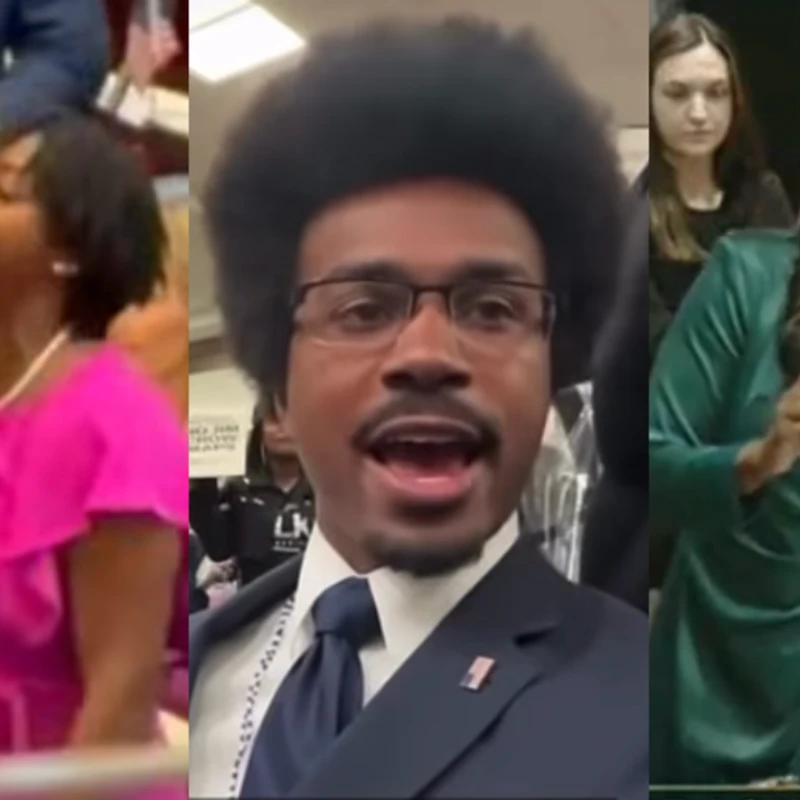
    In response, Pearson and other Democrats have introduced bills to protect voting rights and are actively protesting. Pearson even led a 9-mile march to “Defend District 9” and joined hundreds at the State Capitol. He emphasizes that resistance is crucial, stating, “This is our moment in time to resist, to persist, to fight back.”

    Florida’s Fight for Representation

    The battle isn’t confined to Tennessee. In Florida, Republicans have also passed a new congressional map that redraws districts previously held by Black members of Congress. State Rep. Angie Nixon made her voice heard loud and clear on the House floor, using a bullhorn to denounce the map as a violation of the Constitution and an attempt to destroy democracy.

    Nixon explained her disruptive tactics were necessary because the map illegally diminished representation for Black, Latino, and Jewish communities. She believes this is a move to benefit Donald Trump and grant him unchecked power. “We have to do something different!” she urged.

    Florida State Senator Shevrin Jones is also calling out Republicans, reminding them that Florida voters approved a ban on political gerrymandering in 2010. He stated, “Black Floridians should be mad as hell, but motivated at the same time.” Jones warns that weakening historically underrepresented communities’ voting strength raises serious questions about racial gerrymandering disguised as politics. He’s ready for a fight, declaring, “going backward is not an option.”

    Appealing to Conscience and Courage

    Beyond civil disobedience, some legislators are appealing to the moral conscience of their colleagues. In Tennessee, State Senator London Lamar addressed the Senate floor, calling the move to eliminate Memphis’s sole Black voting district “one of the most racist actions taken in the modern history of this legislature.” She urged her colleagues to find the courage to do the right thing, emphasizing that gerrymandering to avoid fair elections is simply wrong.

    Lamar pleaded, “I’m calling on the soul of you to do the right thing. Let’s not carve out Memphis because you can’t fairly win in a ballot box or to favor one member in this body’s path to Congress. If you do this, this is racist, and it’s intent…Let’s call it what it is.”

    The Resistance Continues

    As other states like Alabama and Louisiana also advance maps that target majority-Black districts, the resistance from Black legislators is expected to intensify. Rep. Pearson, highlighting Memphis’s role in the civil rights movement, stressed the importance of continued investment in the South’s political infrastructure for the long term. “We can never lose hope,” he stated. “This is a moment, particularly in the South, where we have to start investing in our infrastructure… As long as Democrats participate in U.S. races, gubernatorial races, we might be able to change the way that the country is functioning and operating. And so I’m not giving up on us.”

    What are your thoughts on the current fight for voting rights? Share your perspective in the comments below!