Tag: VIBE

  • VIBE Magazine Returns to Print

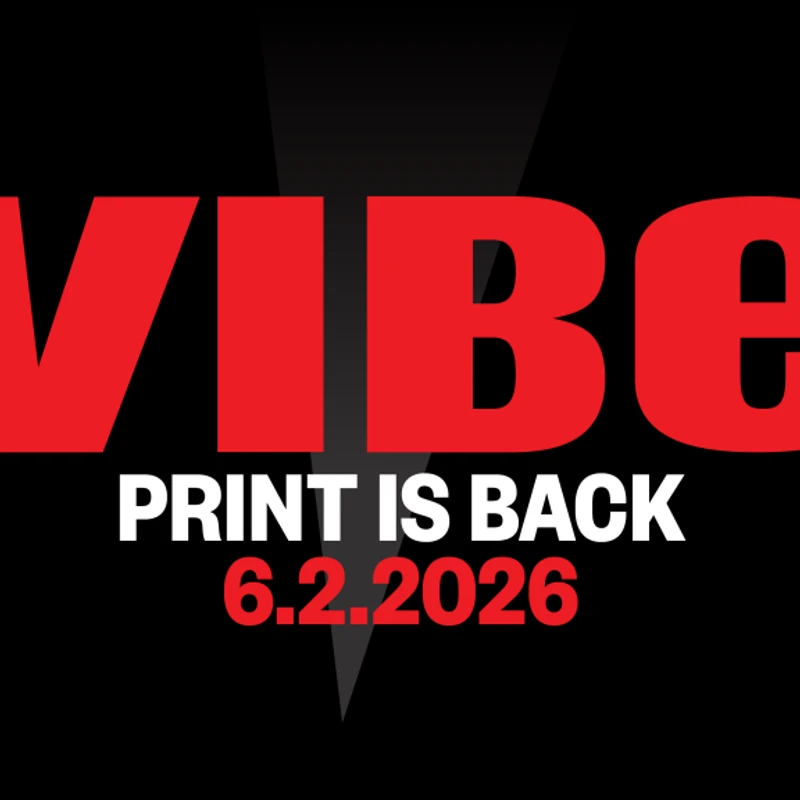
    Get ready to hold a piece of history in your hands! After more than a decade away from the newsstands, VIBE Magazine, the iconic publication founded by Quincy Jones, is officially making its return to print. This relaunch marks a significant moment for Black culture and media, promising a return to the in-depth storytelling that defined the magazine.

    A Legacy of Leading the Conversation

    Launched in 1992, VIBE was created by the legendary Quincy Jones to fill a void in mainstream media. At a time when Black culture was profoundly shaping music, fashion, film, and politics, VIBE emerged as a powerful voice, reflecting its sophistication and influence. It wasn’t just reporting on Black culture; it was leading the conversation.

    Inspired by the journalistic standards of Rolling Stone, VIBE became a launching pad for many young artists who would go on to define generations. Icons like Snoop Dogg, The Notorious B.I.G., Mary J. Blige, Tupac, Usher, and Lauryn Hill graced its pages, with the VIBE cover becoming a coveted symbol of artistic achievement. The magazine also made history in 2007 by featuring Barack Obama on its cover, recognizing his cultural significance long before many others.

    The Future of Print, Rooted in Legacy

    The final print issue in 2014 featured a double cover with Drake and Kevin Hart. Now, as part of its integration with Rolling Stone (since 2025), VIBE is set to reignite its print presence. The brand remains dedicated to delivering deeply reported stories across multiple platforms, but the return to print signifies a commitment to a more tangible, lasting form of media.

    The first new print edition is scheduled to drop on June 2. This limited-edition issue will be published quarterly, with a premium feel and a limited run of 1,000 copies for the inaugural release. It will be available exclusively at specialty newsstands and online via shop.rollingstone.com. The issue promises to feature a cover star, along with insightful commentary on Hip-Hop, fashion, and culture, including interviews with today’s leading tastemakers.

    More Than Just a Scroll

    In an era dominated by fast-paced, fleeting online content, VIBE’s return to print underscores a belief that artists and cultural influencers deserve more than just a momentary scroll. The magazine aims to provide a more immersive and lasting experience, celebrating the depth and impact of Black culture.

    This relaunch is not just about nostalgia; it’s about continuing a legacy and shaping the future of Black media. VIBE’s commitment to impactful storytelling ensures that its voice will continue to resonate for years to come.

    Are you excited about VIBE Magazine’s return to print? What are your favorite VIBE cover stories? Share your thoughts in the comments below!
  • Kehlani Opens Up About Bipolar Disorder Diagnosis

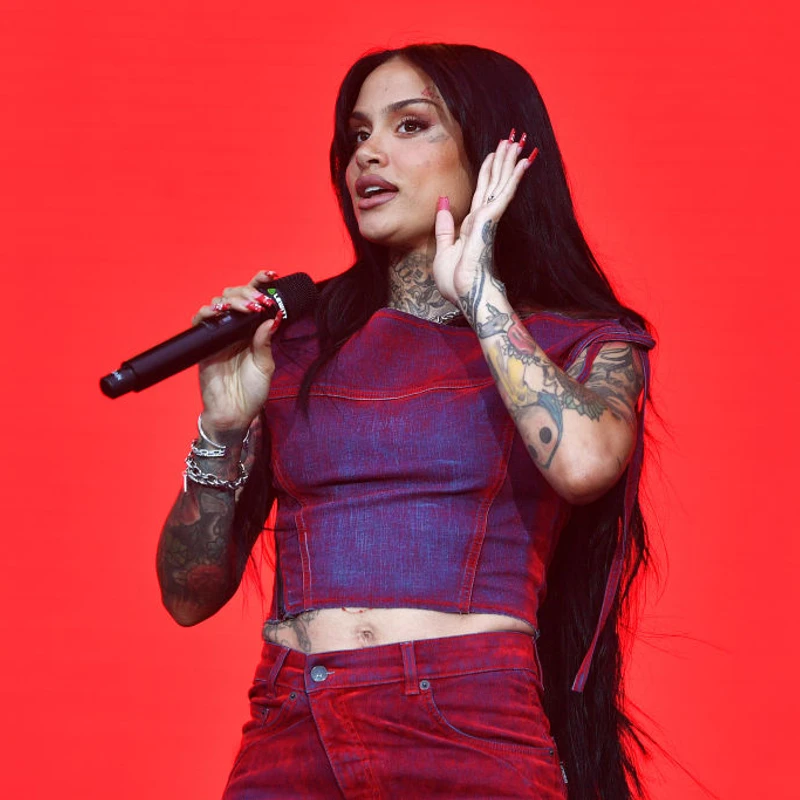
    In a candid new interview with Vibe, singer Kehlani is opening up about the challenging period that led to her diagnoses of Borderline Personality Disorder (BPD) and Bipolar Disorder. The artist revealed that a significant “dark spiral” and a feeling of being “in crisis” prompted her to seek professional help, ultimately leading to her receiving the tools she now uses to navigate her mental health.

    From Crisis to Clarity

    Kehlani shared that her diagnosis came in April 2025, and since then, she’s been actively engaged in the work that comes with it. “When you finally have the tools, you have the diagnosis. But along with the diagnosis comes the work,” she told Vibe. This journey has involved medication, various forms of therapy including somatic healing, and a newfound awareness of her own symptoms and triggers.

    The singer explained that she reached a point of “extreme paranoia,” which she believes was exacerbated by the ongoing humanitarian crisis in Gaza. The intense emotions and feelings of helplessness led to a breaking point. “Watching babies get blown to bits should do something to you,” Kehlani stated. “All of that combined with me not knowing what to do with my position [and] the survivor’s guilt… All of that just made me snap.”

    Building a Support System

    Navigating life in the public eye presents unique challenges, and Kehlani emphasizes the importance of her support system. She has learned to communicate her needs to trusted friends, asking them to intervene if they notice signs like lack of sleep, changes in eating habits, rapid speech, or impulsive decisions. “Call my psychiatrist. I’m in crisis,” she’ll tell them.

    Accepting the Unavoidable

    Kehlani also spoke about the difficulty of dealing with public scrutiny and misunderstanding. She has come to accept that negativity is an unavoidable part of having a public career. “I don’t have that hope anymore that people can just have fruitful careers without the bullsh-t,” she admitted. This realization has freed her to focus on her music and personal life without the constant pressure of being perfectly understood.

    At some point, no matter what you say or how you present, you can’t prevent any reaction that’s going to happen. So once the shackles of being understood freed me, I was like let me just make some damn music and live my life. — Kehlani

    Kehlani first publicly shared her BPD and Bipolar Disorder diagnoses in April 2025, marking a significant milestone in her journey toward wholeness. Her openness serves as a powerful reminder that seeking help and embracing one’s truth are vital steps in managing mental health.

    What are your thoughts on Kehlani’s openness about her mental health journey? Share your reflections in the comments below.

  • VIBE and Rolling Stone Merge for Hip-Hop

    Get ready for a deeper dive into hip-hop and R&B culture! Two iconic music publications, VIBE and Rolling Stone, are joining forces in a significant merger. This partnership aims to strengthen and expand their coverage of these vital genres, bringing more in-depth content to fans across both platforms.

    Expanding Hip-Hop and R&B’s Reach

    Announced on October 16, this collaboration will see VIBE’s extensive hip-hop and R&B reporting integrated more deeply into Rolling Stone’s platform. The goal is to explore hip-hop culture with even greater depth and nuance. As part of the deal, VIBE plans to release special collector’s print editions and launch a new video interview series featuring influential figures from music, sports, and fashion.

    Datwon Thomas, VIBE’s longtime editor-in-chief, will play a key role as a strategic advisor during this transition. Thomas expressed his pride in remaining connected to the iconic VIBE brand, stating, “The opportunity to help guide VIBE into the next phase of its growth and continued legacy is an honor.”

    Rolling Stone Invests in VIBE’s Future

    Rolling Stone, under Penske Media Corp. (PMC), is set to invest in VIBE across various platforms, including video, podcasts, longform journalism, social media, and experiential initiatives. Julian Holguin, CEO of Rolling Stone, highlighted the significance of this partnership, calling it a “historic team-up” that will allow Rolling Stone to “level up the publication’s hip-hop and R&B coverage.”

    Founded by legendary music visionary Quincy Jones in 1993, VIBE has a rich history of driving cultural conversations. Holguin emphasized the goal to “continue the mission VIBE was founded on while leveraging Rolling Stone to amplify its presence across all platforms.”

    Industry Context and Staff Changes

    This merger between two PMC brands occurs amidst a larger industry shift, including a Justice Department review of PMC’s joint venture with rival MRC. This venture aims to consolidate numerous leading music and entertainment news outlets. Following the announcement, respected R&B journalist Mya Abraham confirmed her departure from VIBE, citing the merger as the reason her role as R&B Reporter has concluded.

    What are your thoughts on the VIBE and Rolling Stone merger? How do you think this will impact hip-hop and R&B coverage? Share your views in the comments below!

  • Luther Vandross Turned Down Babyface Hit, Smiled

    Imagine having a massive hit song that could have been sung by one of the greatest R&B voices of all time. That’s exactly the scenario with Babyface’s iconic 1996 ballad, “Every Time I Close My Eyes.” It turns out, the legendary Luther Vandross was offered the chance to record it first!

    The Moment of Rejection

    Babyface himself recently shared a throwback photo on Instagram, capturing “the exact moment Luther said no to singing ‘Every Time I Close My Eyes.’” He humorously admitted that it was perhaps the best rejection he’s ever received, as the song went on to become one of his own biggest hits. Still, he confessed, “I still wish he would have sung it!”

    The image of Vandross smiling while turning down such a massive track is something fans found delightful and perfectly in character. It’s easy to picture the smooth crooner with that signature grin, making a decision that, while perhaps a missed opportunity for him, paved the way for a classic hit for Babyface.

    Fan Reactions and Song Details

    The revelation sparked a fun conversation among fans. Many expressed a desire to hear demos of Babyface singing hits he gave to other artists. Others chimed in, agreeing that “Every Time I Close My Eyes” truly felt like a song that was tailor-made for Luther Vandross’s vocal style.

    For those who might need a refresher, “Every Time I Close My Eyes” was written, produced, and performed by Babyface himself. The track featured a memorable saxophone solo by Kenny G and a guest appearance by Mariah Carey. It soared to No. 6 on the Billboard Hot 100 and No. 5 on the Billboard Hot R&B/Hip-Hop Songs charts, solidifying its place as an R&B anthem.

    A Lasting Collaboration

    While this particular song didn’t make it onto a Vandross album, the musical connection between the two legends didn’t end there. Years later, Babyface co-wrote “Grown Thangs” with Jon B for Vandross’s 2001 self-titled album. Both artists even lent their voices to the backing vocals on that track, showcasing their enduring creative partnership.

    This story is a great reminder of the intricate web of music creation, where a song’s journey can take unexpected turns, leading to iconic moments for multiple artists. It highlights the collaborative spirit and the sometimes surprising decisions that shape the soundtrack of our lives.

    What do you think about Luther Vandross turning down “Every Time I Close My Eyes”? Do you agree it sounds like a Luther song? Let us know in the comments!