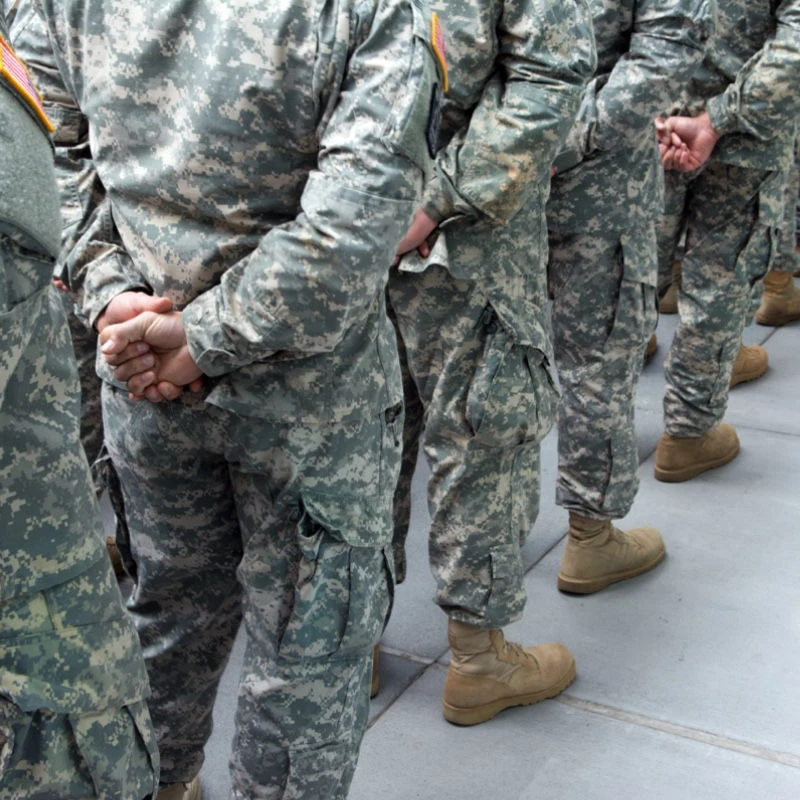
For many Black veterans, the challenges don’t end when they leave the military. Post-traumatic stress disorder (PTSD) can be deeply intertwined with experiences of racism and discrimination, creating a unique and often hidden mental health burden. Studies show Black veterans face PTSD at disproportionately high rates, yet they frequently encounter significant barriers when seeking help.
Understanding Race-Based Trauma
Race-based trauma, or race-based traumatic stress (RBTS), refers to the psychological and emotional toll of encountering racism and discrimination. This can stem from various experiences, including physical or verbal threats, police misconduct, microaggressions, discrimination in crucial areas like healthcare or housing, and even witnessing racist violence. The cumulative effect of long-term racial trauma can manifest in symptoms eerily similar to PTSD.
These symptoms can include depression, anger, recurring intrusive thoughts, physical reactions like headaches or insomnia, hypervigilance, low self-esteem, and a tendency to mentally distance oneself from traumatic events. For Black veterans, these experiences often don’t exist separately from their military service but are interwoven with it, compounding the stress and trauma.
Barriers to Seeking Help
Despite the high prevalence of PTSD and race-based trauma, many Black veterans hesitate to seek mental health support. A significant factor is a lack of trust in mental healthcare systems, often stemming from past negative experiences or systemic discrimination. Building rapport can also be difficult when providers lack cultural understanding or fail to acknowledge the impact of race on a veteran’s experiences.
Furthermore, issues like denied disability claims and lower treatment retention rates add to the challenges. These systemic barriers can make it harder for Black veterans to access, remain in, and fully benefit from mental healthcare services.
Pathways to Healing
Finding effective support is crucial. Seeking a licensed mental health professional, particularly one specializing in multicultural issues, can provide validation and understanding. Therapies like Cognitive Behavioral Therapy (CBT), Eye Movement Desensitization and Reprocessing (EMDR), Prolonged Exposure (PE), and Cognitive Processing Therapy (CPT) can be beneficial.
Supplementing professional therapy with support groups, healing circles, and mindfulness practices like yoga or meditation can also aid recovery. Limiting exposure to media depicting racial violence is also recommended to prevent re-traumatization. The U.S. Department of Veterans Affairs offers specific resources for race-based trauma at select locations.
Ultimately, healing is possible. Black veterans deserve mental healthcare that acknowledges the full spectrum of their experiences, both during and after their service. Recognizing and addressing race-based trauma is essential for their well-being and recovery.
If you or a veteran you know is struggling with mental health, please reach out for professional support. Share this information to raise awareness in the comments below!