Tag: University of South Carolina

  • Geno Auriemma Apologizes, But Not Directly to Dawn Staley

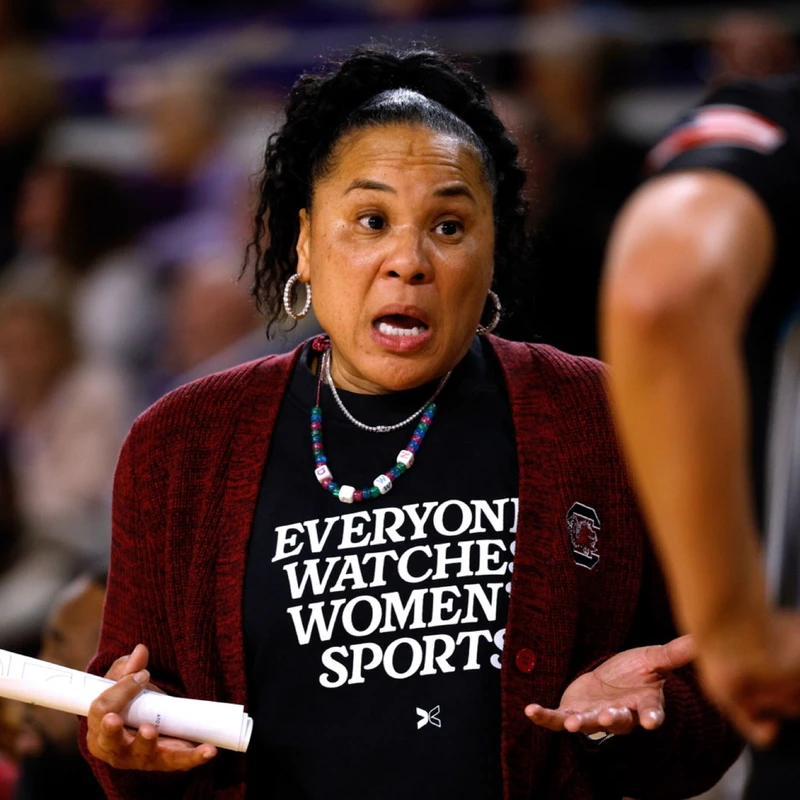
    Following a heated exchange after the NCAA Women’s Final Four game where South Carolina defeated UConn, UConn Head Coach Geno Auriemma has issued an apology. However, the statement has drawn attention for what it *doesn’t* say, specifically a direct apology to South Carolina’s Head Coach Dawn Staley.

    An Apology to the Staff and Team, Not the Coach

    The incident occurred after South Carolina ended UConn’s undefeated season with a 62-48 victory on April 3rd. Cameras captured Auriemma shouting at Staley, leading to a tense moment where the coaches had to be separated. In a written statement released the following day, Auriemma acknowledged his behavior was “uncalled for” and “unlike what I do and what our standard is here at Connecticut.”

    He specifically apologized “to the staff and the team at South Carolina,” stating, “I want to apologize to the staff and the team at South Carolina. It was uncalled for in how I reacted. The story should be how well South Carolina played, and I don’t want my actions to detract from that. I’ve had a great relationship with their staff, and I sincerely want to apologize to them.”

    The Handshake Controversy and Staley’s Response

    Auriemma cited his frustration over Staley not shaking his hand before the game as a reason for his reaction. Staley, however, downplayed the incident in the immediate aftermath, focusing on her team’s championship aspirations. “For me, no distractions at this time. I’m concentrating on winning a national championship, that’s it,” she said. “This is sports; sometimes things like this happen.”

    Following South Carolina’s loss to UCLA in the championship game, ESPN analyst Rebecca Lobo, a former UConn player, mentioned that Auriemma had apologized privately to Staley. However, Staley herself stated after the game, “I have not heard from Geno.” She indicated she would address the matter at another time, keeping the focus on UCLA’s victory.

    Reactions and Calls for a Direct Apology

    The sequence of events and Auriemma’s public statement have sparked considerable discussion online. Many observers and commentators, including figures like William A. Goldsborough and Josina Anderson, have called for a more direct and unequivocal apology from Auriemma to Staley. The narrative suggests that Auriemma’s behavior was indicative of racial bias, with some tweets alleging he “wanted to say the n-word while playing the victim card.”

    Commentators like Andraya Carter and Chiney Ogwumike have also voiced criticism. The core of the criticism is that Auriemma initiated the confrontation and that his public apology, while acknowledging wrongdoing, failed to address Staley directly, leaving questions about the sincerity and completeness of his remorse.

    What are your thoughts on Geno Auriemma’s apology? Do you believe a direct apology to Dawn Staley was necessary? Share your opinions in the comments below!
  • The Tragic History of ‘Fancy Girls’ in Slavery

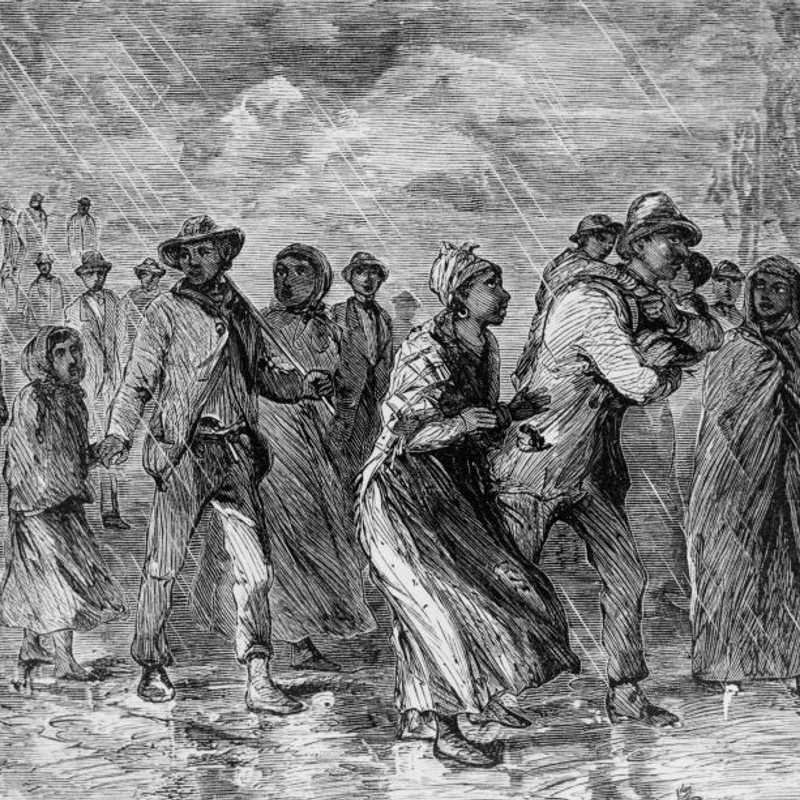
    When we think about the horrors of slavery in America, certain narratives often come to mind. But history is vast and often holds lesser-known, deeply disturbing truths about the extent of exploitation and dehumanization. In recognition of the International Day of Remembrance of the Victims of Slavery and the Transatlantic Slave Trade, it’s crucial to shed light on one such tragic reality: the history of ‘fancy girls’.

    What Were ‘Fancy Girls’?

    The term ‘fancy girls’ refers to light-skinned Black girls who were treated as highly marketable assets in the slave market. White male enslavers developed an obsession with these young women, willing to pay exorbitant sums for them. Imagine spending up to $2,000 – equivalent to about $80,000 today – for a single enslaved person. This was a status symbol for enslavers, traders, gamblers, and saloon keepers.

    To put this into perspective, $2,000 could have bought 500 acres of land or five premium horses at the time. A skilled craftsman would need to work for a decade to earn that amount. The highest recorded price paid for a ‘fancy girl’ reached around $5,233, which is roughly $200,000 in today’s currency. This trade undeniably fueled colorism, with enslavers showing a clear preference for lighter-skinned Black girls.

    A Life of Exploitation and Dehumanization

    However, this ‘marketability’ offered no benefit to the enslaved girls themselves. Their lives were a living hell, marked by repeated rape. Enslavers viewed them as ‘whiteness made salable by Blackness,’ marketing them explicitly as sex laborers. This practice was a deeply lucrative form of human trafficking within the institution of slavery.

    According to research, white enslavers frequently engaged in sexual relations with these mixed-race enslaved women. They were often forced into private prostitution and coerced concubinage. This system was designed to fulfill the fetishes of enslavers while generating profit.

    Unacknowledged Children and Shattered Families

    The brutal reality of slavery meant that enslavers often impregnated enslaved women but refused to acknowledge their own mixed-race children. This further underscored the profound dehumanization inherent in the system. Children born into slavery were denied their paternal identity, their very existence a testament to the enslaver’s power and disregard.

    An interview from the 1937 Federal Writers Project with Mary Reynolds, a formerly enslaved woman, offers a chilling glimpse into this reality. She recalled her enslaver, Dr. Andrew Robert Kilpatrick, having a ‘fancy girl’ named Margaret. Margaret lived separately from the main slave quarters and performed sewing for the white families. Reynolds noted the doctor’s predatory behavior, stating he took ‘any on his place he wanted, and he took them often.’

    Margaret bore several children who appeared lighter-skinned, and the enslaved community knew Dr. Kilpatrick was their father. Even the children themselves asserted this truth when they were denied entry into the Kilpatrick children’s playhouse, declaring, ‘We ain’t no niggers, ’cause we got the same daddy you has.’ Missy Kilpatrick, the doctor’s wife, was aware of these children and even threatened to leave her husband due to his blatant infidelity and the undeniable resemblance of the children to him.

    The history of ‘fancy girls’ is a stark and painful reminder of the multifaceted horrors of American slavery. It highlights the intersection of racism, sexism, and economic exploitation, revealing how human beings, particularly women and girls of color, were commodified and subjected to unimaginable abuse. Remembering these stories is vital to understanding the full legacy of slavery and its enduring impact.

    What are your thoughts on this aspect of slavery history? Share your reflections in the comments below.