Imagine pouring your heart and soul into building vibrant communities on campus, only to see them systematically dismantled, not with a bang, but with a quiet policy shift. This is the reality facing Black student life at many universities. Instead of outright bans, institutions are using a seemingly neutral policy language to weaken the very ecosystems that help marginalized students thrive.
The University of Missouri’s Funding Cuts
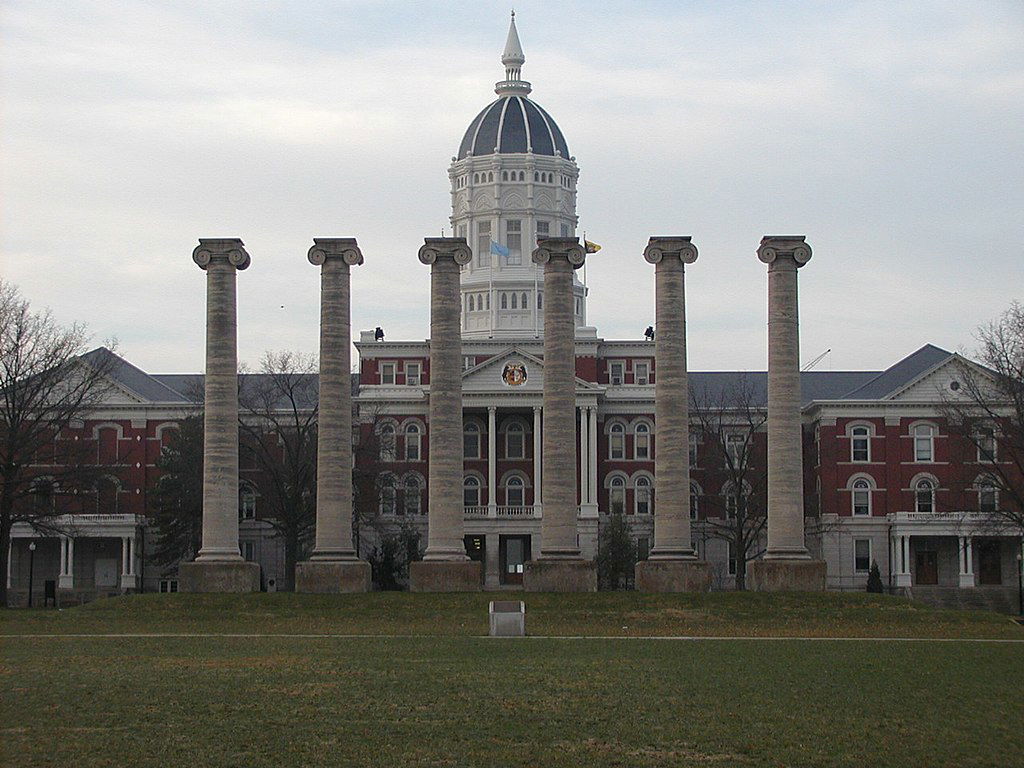
A prime example is the University of Missouri, where administrators announced that major multicultural student organizations, including the Legion of Black Collegians and the Association of Latin American Students, would lose their direct university funding starting July 2026. These groups, which have historically received tens of thousands of dollars annually, are being reclassified as standard “Recognized Student Organizations.”
This means they’ll now have to compete with over 600 other clubs for limited funds in a shared pool. Student leaders argue that this shift makes it nearly impossible to sustain their programming and operations, effectively starving these vital student ecosystems.
Using Federal Guidance as Cover
University officials claim this move is necessary to comply with federal guidance related to diversity, equity, and inclusion (DEI) policies, particularly a memo from the U.S. Department of Justice. This memo, stemming from the Trump administration, suggests schools risk losing federal funding if they maintain DEI programs. However, the author points out that this memo is nonbinding guidance, not law.
This interpretation allows universities to preemptively dismantle programs, withdraw funding, and restructure systems, presenting these choices as inevitable. The author argues this isn’t reluctant compliance but rather alignment with a pre-existing willingness to move away from DEI initiatives, using federal pressure as a convenient, neutral-sounding justification.
A Coordinated Rollback Across Higher Education
What’s happening at Missouri isn’t an isolated incident; it’s part of a broader, coordinated shift across American higher education. The approach is often subtle: simple emails, policy shifts, and quiet reclassifications, rather than inflammatory announcements. This bureaucratic sleight of hand makes the damage harder to identify and name.
The University of Michigan, for instance, shut down its DEI office entirely after facing federal funding threats. Dozens of universities have cut ties with programs supporting underrepresented students, and federal agencies are proposing to cut research partnerships with universities that don’t comply with anti-DEI directives. Reports indicate over 300 universities are revising or scaling back DEI policies nationwide.
The Strategy: Attrition, Not Elimination
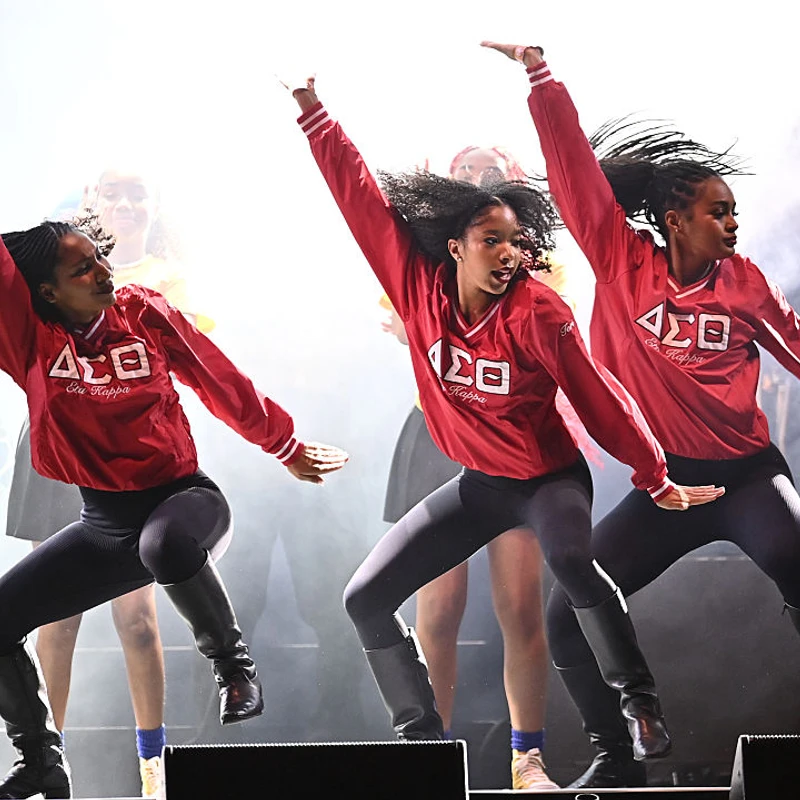
The cuts disproportionately affect student organizations, which are vital hubs for community, information sharing, mentorship, and protection for Black, Latino, and queer students. These spaces operate with a degree of independence that institutions find difficult to control. By removing funding, universities aren’t necessarily banning these groups outright, but rather starving them of the resources needed for continuity, programming, and visibility.
This strategy leads to attrition. Organizations don’t disappear overnight, but they slowly shrink, become harder to lead, and exhaust the very students they aim to support. The goal is to weaken the ecosystems that help marginalized students survive on predominantly white campuses, reducing their ability to gather, respond, and build collective power—all under the guise of fairness or neutrality.
A Familiar Strategy: Student Loans
This strategy of quiet re-engineering is also evident in recent changes to student loans. Longstanding repayment plans have been eliminated, borrowers are being forced onto new paths with fewer options and longer timelines, and access to borrowing is being tightened. These changes are framed as simplification or reform, but the outcome is a system that becomes harder to access and survive.
The author emphasizes that this shift isn’t solely driven by conservative politics. Universities, regardless of their branding, are complicit. They are institutions built to preserve themselves, and instead of investing in the changing demographic reality of their student bodies, they are restructuring higher education to minimize material investment in these students.
The Consequences of Stagnation
Universities don’t have to explicitly state they don’t want to fund Black, Latino, or queer student life; they can engineer its decline by redefining support until it barely exists. They can hide behind policy, maintaining an illusion of neutrality while participating in a racist outcome: a higher education system less resourced and less survivable for the students it claims to serve.
Hollowing out the communities that sustain campus life will not keep institutions vibrant. Starving the students who represent the future enrollment demographic will lead them to take their talent and trust elsewhere. Institutions that refuse to adapt to a changing student body don’t preserve themselves; they lose relevance and credibility, eventually withering on the vine not from attack, but from a choice of stagnation over transformation.
What are your thoughts on how universities are handling DEI and student organization funding? Share your perspective in the comments below!