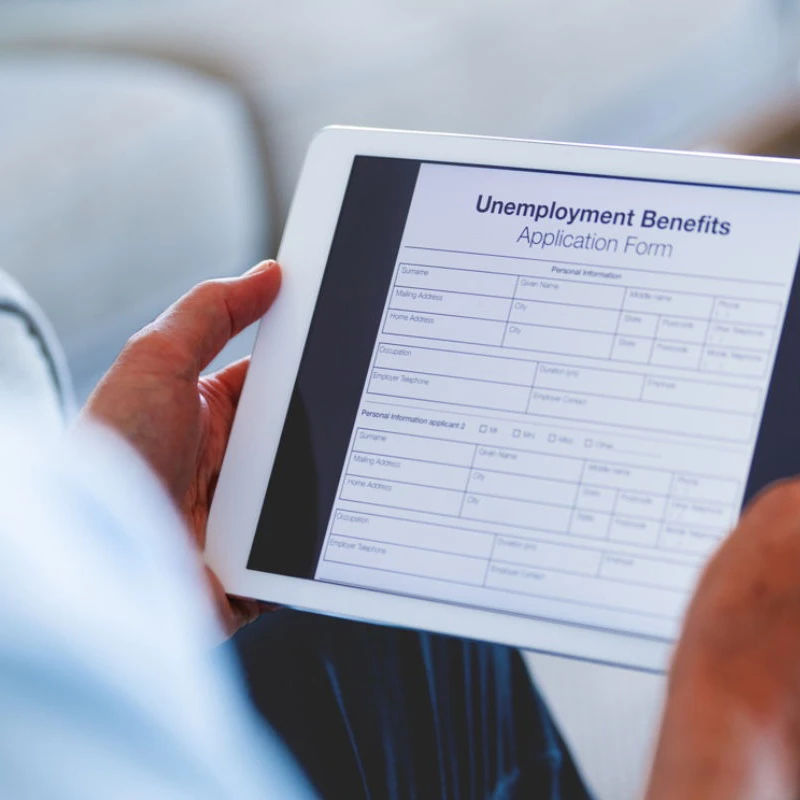
Tag: Unemployment Rates

  • Lawmakers Demand Action on Black Women’s Unemployment

    A concerning trend in the labor market has prompted lawmakers to demand answers. Democratic representatives, led by Rep. Yvette D. Clarke (D-NY), are pressing the U.S. Department of Labor to address the escalating unemployment crisis disproportionately affecting Black women. Citing alarming data, they are calling for immediate action to combat this economic displacement.

    Alarming Statistics Highlight a Growing Crisis

    A letter sent to Labor Secretary Lori Chavez-DeRemer and Acting Director Loretta Greene, co-signed by 19 lawmakers including Reps. Robin Kelly (IL), Bonnie Watson Coleman (NJ), and Ayanna Pressley (MA) of the Congressional Caucus on Black Women and Girls (CCBWG), highlights striking statistics. Data from the Bureau of Labor Statistics (BLS) reveals that Black women have experienced a significant decline in employment, with rates rising from 5.1% to 6.1% in April 2025 alone – a steeper increase than any other demographic group.

    The letter emphasizes that these numbers represent a “crisis of economic displacement for thousands of mothers, caregivers, and heads of households.” The lawmakers express concern that budget and political attacks on the BLS could undermine its ability to provide accurate, disaggregated data, hindering policymakers’ capacity to understand and address the full scale of the challenges faced by Black women workers.

    Economic Impact and Educational Attainment

    While some reports suggest a large number of Black women have left the workforce, career strategists like Andrew McCaskill point out a more complex reality. Employment rates for Black women saw a substantial drop, yet the official number of those leaving the workforce is smaller and reflects a different timeframe. McCaskill noted the alarming trend: “Black women have some of the highest educational attainment rates, yet they’re losing jobs at roughly twice the rate of white and Asian women. That’s a red flag.”

    This situation raises questions about the economy’s ability to absorb highly skilled Black women, many of whom are concentrated in the public sector. Their job losses are seen as indicators of deeper issues within industries that are meant to provide stability.

    A Call for Comprehensive Assessment and Action

    The lawmakers’ demand includes a thorough review of these “troubling” trends. They seek a “comprehensive assessment of their impact on Black women in the workforce” and the identification of necessary remedial actions. Rep. Clarke specifically emphasizes the need to restore the importance of “accurate, disaggregated labor data on Black women and other underrepresented groups” to inform policy decisions.

    The letter concludes by underscoring the foundational role Black women’s labor plays in society: “Black women’s labor has long been the backbone of our classrooms, hospitals, and communities. To ignore the economic crisis facing them now would be to disregard the very foundation of our nation’s progress.” A response from the Department of Labor is expected by December 15th.

    What measures do you believe are most effective in addressing the unemployment crisis among Black women? How can policymakers ensure accurate data collection for underrepresented groups? Share your insights in the comments below!
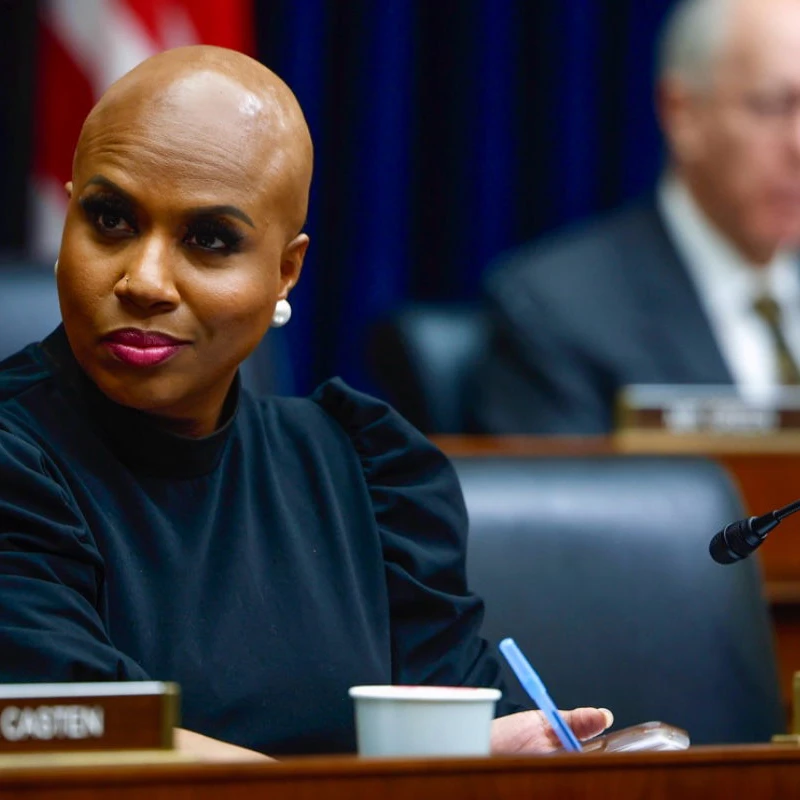

  • Rep. Pressley Urges Fed Action on Black Women’s Unemployment

    Following the release of the September jobs report, Congresswoman Ayanna Pressley is sounding the alarm on the disproportionately high unemployment rate affecting Black women. The report, delayed due to the government shutdown, revealed a troubling statistic: Black women face an unemployment rate of 7.5%, significantly higher than the national average.

    A Crisis for Black Women in the Workforce

    Pressley, a member of the House Financial Services Committee, is urging the Federal Reserve to take immediate action. She described the unemployment numbers as “damning” and directly linked the crisis to policies under the Trump administration. “Under Donald J. Trump, Black women continue to face a crisis of disproportionately high unemployment,” Pressley stated, citing “reckless mass firings,” the affordability crisis, and attacks on diversity, equity, inclusion, and accessibility (DEIA) initiatives as contributing factors.

    She emphasized the vital role Black women play in both families and the economy. “As the primary breadwinners for many households, Black women are the backbones of our families and our economy,” Pressley asserted. “Their systematic pushout not only has dangerous consequences for Black women, Black families, Black futures. It is also a glaring red flag for the entire U.S. economy.”

    Economic Slowdown and Layoffs

    The September jobs report, released late after the government shutdown, showed a modest gain of 119,000 jobs. However, experts caution that the numbers indicate a broader slowdown in the labor market. The unemployment rate ticked up to 4.4% from 4.3%, and wage growth decelerated. This economic uncertainty is compounded by major companies like Amazon, General Motors, IBM, and Microsoft announcing tens of thousands of layoffs.

    Experts from the Center for American Progress point to factors such as uncertainty surrounding President Trump’s tariff policies, significant cuts to federal government services, and reductions in healthcare and social programs as contributors to this hiring slowdown and subsequent layoffs.

    A Call for Federal Reserve Intervention

    In a letter addressed to Federal Reserve Chairman Jerome Powell, Pressley formally requested immediate action. She reminded Powell of the Fed’s “statutory mandate to promote maximum employment,” stressing that this must apply to everyone, regardless of race or gender. The congresswoman highlighted that in August 2025, 6.7% of Black women faced unemployment, a rate considerably higher than the national average of 4.3%.

    Pressley concluded by stating, “This disparity should not go overlooked as unemployment of Black women is a key metric of the health of the U.S. economy.” She also noted that Black women are disproportionately represented in higher education, are the fastest-growing group of entrepreneurs, and often serve as the primary breadwinners for their families, underscoring the economic impact of their employment challenges.

    What actions do you think the Federal Reserve should take to address the unemployment rate among Black women? Share your ideas in the comments below!

  • Job Market Shift: Seekers Accept Tougher Roles

    Remember the “great resignation”? It seems like a distant memory. Today’s U.S. labor market is telling a different story, one where employers are regaining the upper hand. This shift means job seekers might need to adjust their expectations and become more open to roles that were previously considered less desirable.

    The Market Slump and Shifting Leverage

    A new report suggests that the current market slump is pushing candidates to be less selective. Companies that once struggled to attract applicants are now seeing a surge in interest. Marcus Rush, CEO of AQC Traffic Control in Atlanta, shared that his office phone now rings with job inquiries instead of customer calls – a stark contrast to just two years ago.

    His company hires traffic controllers for construction sites, roles that involve long hours outdoors in challenging weather. Two years ago, Rush averaged about 10 applications per week. Now, he’s receiving up to 80. This increased interest is a clear sign that job seekers are willing to consider positions they might have previously turned down due to low wages, irregular hours, or tough working conditions.

    Staffing Agencies See Increased Demand

    Staffing agencies specializing in hard-to-fill sectors are also noticing this trend. Rick Hermanns, CEO of HireQuest Inc., which focuses on construction, light industrial, and manufacturing roles, reports a notable increase in interest for positions that were “darn near impossible” to fill just a couple of years ago. This indicates a broader shift across industries.

    The data backs this up. A recent Harris Poll found that employed Americans believe it would take them over four months to find a comparable job if they were laid off today. This extended job search timeline gives employers more leverage, allowing them to be more discerning in their hiring processes.

    Unemployment Trends and Longer Job Searches

    While the overall jobless rate remained relatively low at 4.3% in August, the duration of unemployment is increasing. Nearly 26% of unemployed workers have been out of work for more than six months. This prolonged period of unemployment likely contributes to job seekers’ willingness to accept less ideal roles to secure employment.

    Even industries known for high turnover, like corrections, are experiencing this change. The Georgia Department of Corrections, for instance, has seen a 40% increase in applications over the past year, receiving over 1,000 applications monthly for various roles, including correctional officers.

    How has the job market shift affected your job search or hiring process? Share your experiences and insights in the comments below!