Tag: Tuesday newsletter 2 archives

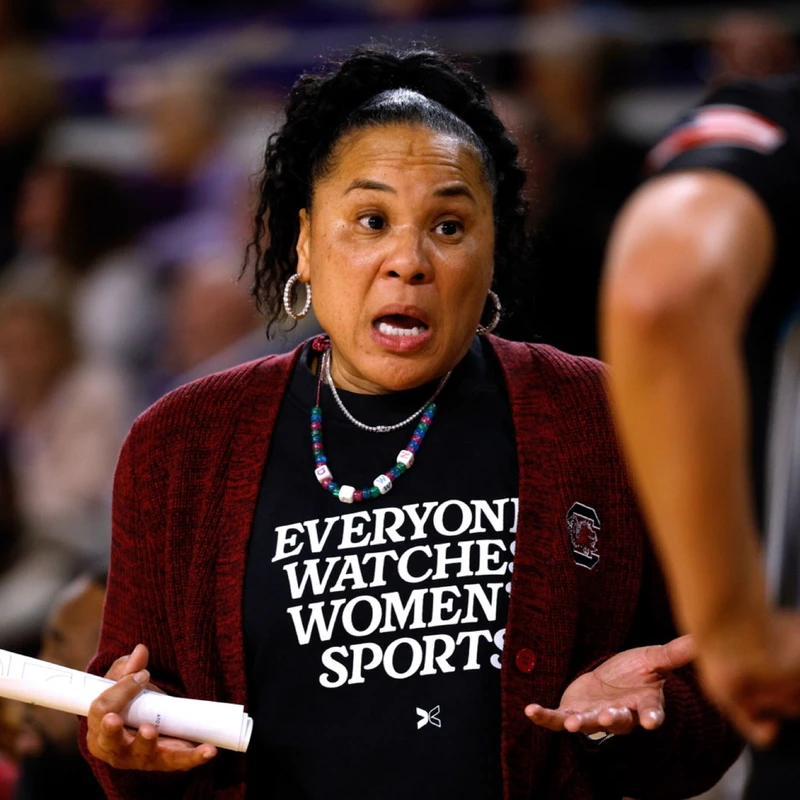
  • Geno Auriemma Apologizes, But Not Directly to Dawn Staley

    Following a heated exchange after the NCAA Women’s Final Four game where South Carolina defeated UConn, UConn Head Coach Geno Auriemma has issued an apology. However, the statement has drawn attention for what it *doesn’t* say, specifically a direct apology to South Carolina’s Head Coach Dawn Staley.

    An Apology to the Staff and Team, Not the Coach

    The incident occurred after South Carolina ended UConn’s undefeated season with a 62-48 victory on April 3rd. Cameras captured Auriemma shouting at Staley, leading to a tense moment where the coaches had to be separated. In a written statement released the following day, Auriemma acknowledged his behavior was “uncalled for” and “unlike what I do and what our standard is here at Connecticut.”

    He specifically apologized “to the staff and the team at South Carolina,” stating, “I want to apologize to the staff and the team at South Carolina. It was uncalled for in how I reacted. The story should be how well South Carolina played, and I don’t want my actions to detract from that. I’ve had a great relationship with their staff, and I sincerely want to apologize to them.”

    The Handshake Controversy and Staley’s Response

    Auriemma cited his frustration over Staley not shaking his hand before the game as a reason for his reaction. Staley, however, downplayed the incident in the immediate aftermath, focusing on her team’s championship aspirations. “For me, no distractions at this time. I’m concentrating on winning a national championship, that’s it,” she said. “This is sports; sometimes things like this happen.”

    Following South Carolina’s loss to UCLA in the championship game, ESPN analyst Rebecca Lobo, a former UConn player, mentioned that Auriemma had apologized privately to Staley. However, Staley herself stated after the game, “I have not heard from Geno.” She indicated she would address the matter at another time, keeping the focus on UCLA’s victory.

    Reactions and Calls for a Direct Apology

    The sequence of events and Auriemma’s public statement have sparked considerable discussion online. Many observers and commentators, including figures like William A. Goldsborough and Josina Anderson, have called for a more direct and unequivocal apology from Auriemma to Staley. The narrative suggests that Auriemma’s behavior was indicative of racial bias, with some tweets alleging he “wanted to say the n-word while playing the victim card.”

    Commentators like Andraya Carter and Chiney Ogwumike have also voiced criticism. The core of the criticism is that Auriemma initiated the confrontation and that his public apology, while acknowledging wrongdoing, failed to address Staley directly, leaving questions about the sincerity and completeness of his remorse.

    What are your thoughts on Geno Auriemma’s apology? Do you believe a direct apology to Dawn Staley was necessary? Share your opinions in the comments below!

  • Amber Rose: White People Should Say N-Word

    Amber Rose, a vocal supporter of Donald Trump, is once again at the center of a heated debate for her controversial opinions. This time, the model and entrepreneur is arguing that white people should be permitted to use the n-word, believing it could paradoxically help reduce racial conflict.

    The Argument for Allowing White People to Use the N-Word

    During a discussion on Nick Cannon’s web series, ‘Big Drive,’ Rose stated plainly, ‘White people should be able to say n***a.’ She expanded on this provocative stance, reasoning that if white individuals were allowed to use the slur, it might diminish its historical power and negative impact. ‘Because when you really stop giving a f*** about stupid, dumbass words, we’ll stop killing each other,’ she argued.

    Rose’s logic suggests that by normalizing the word’s use, even among those who historically wielded it as a tool of oppression, the racial tension in America could be eased. She attempted to differentiate between using the slur offensively and reciting rap lyrics or using it affectionately among friends, like saying ‘That’s my n-gga. That’s my homie.’

    Backlash and Questions of Intent

    Rose’s perspective, however, was met with significant backlash from the Black community and many others. Critics argue that her view undermines the word’s deeply painful history and the ongoing harm it causes. Allowing white people to use the slur, they contend, would bypass accountability for its historical and continued use as a tool of racism and violence.

    Naysayers find it difficult to reconcile Rose’s stance with her political alignment with Donald Trump, whose policies and rhetoric have been criticized for negatively impacting Black and other marginalized communities. Her suggestion for ‘world peace’ through the casual use of the n-word by white people was widely seen as preposterous and dismissive of the lived experiences of Black Americans who still face racial prejudice and violence.

    Intent vs. Impact and Historical Context

    Rose emphasized that intentions matter and suggested she wouldn’t be offended if a white person used the n-word around her. She also invoked the principle of free speech. However, critics argue that intent cannot erase the word’s devastating impact and its historical context, which is deeply rooted in slavery, violence, and systemic oppression. The idea that allowing its use would somehow soothe racial tensions ignores the ongoing reality of racism and the need for accountability.

    What are your thoughts on Amber Rose’s controversial take regarding the n-word? Do you agree that allowing white people to say it would reduce racial conflict? Share your perspective in the comments below!

  • Nigerian-Americans Turn Palm Waste into Profit

    Two Nigerian-American entrepreneurs are making waves back in their homeland by tackling a significant challenge in the oil palm market. Ikenna Nzewi and Uzo Ayogu founded Releaf in 2017 with a mission to turn palm waste into environmentally friendly profits, bringing technological innovation to the agricultural sector.

    The ‘Kraken’ System: Boosting Farmer Yields

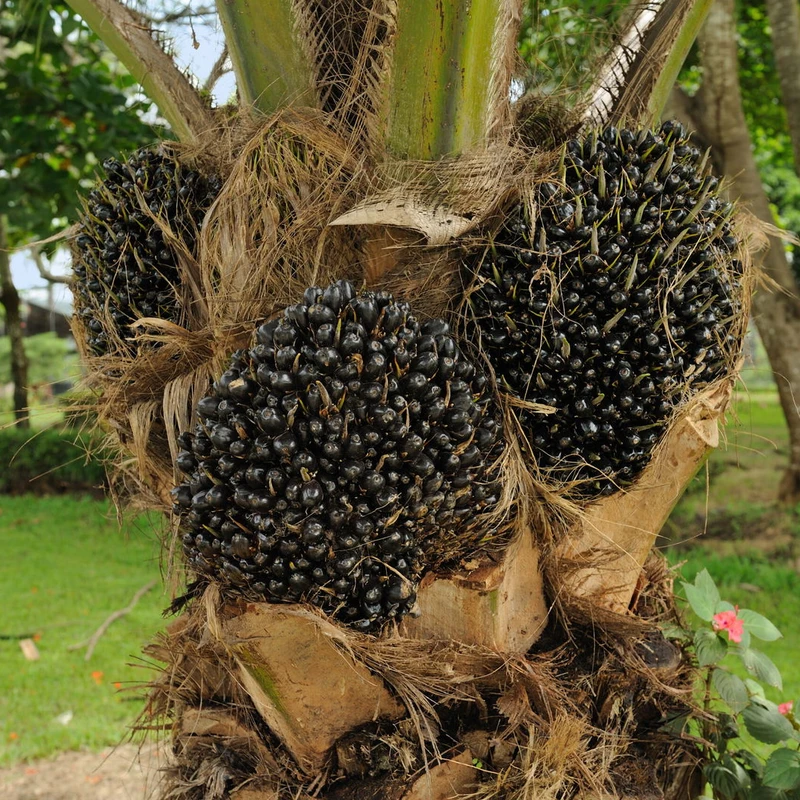
    Releaf developed a groundbreaking palm nut processing system called ‘Kraken.’ This technology is designed to eliminate excessive waste for small-scale farmers, a crucial demographic in Nigeria’s agricultural sector. By improving the efficiency of the palm oil process, Releaf helps these farmers achieve higher production yields while simultaneously reducing the release of harmful chemicals into the environment.

    The inspiration for Kraken came after Nzewi and Ayogu traveled across Nigeria, connecting with local farmers to identify the most pressing needs. They discovered that Nigeria’s decline as a leading global palm oil producer was largely due to outdated processing systems. Small farmers often rely on manual methods, which are labor-intensive and yield minimal returns, leading to nearly a quarter of produce being discarded.

    Environmental Impact and Biochar Production

    Releaf’s commitment to sustainability is evident in its recycling of leftover palm kernel shells. Through its climate arm, Releaf Earth, these kernels are repurposed for industrial biochar production. Biochar, a stable form of carbon created by heating organic material in a low-oxygen environment, can remain in soil for centuries, effectively sequestering carbon and preventing it from entering the atmosphere.

    This process offers a “win-win” situation: it reduces environmental harm by storing carbon and enriches the soil, boosting agricultural productivity. Nzewi highlighted the technology’s potential, stating, “These are technologies that remove carbon and store it in a way that it can’t return to the atmosphere for up to 1,000 years.”

    Scaling Challenges and Investor Appeal

    Despite the numerous benefits, scaling Releaf has faced challenges, partly due to decreased funding initiatives across Africa. However, the company’s dual focus on environmental impact and economic profit has attracted investor interest. Releaf recently delivered carbon removal credits to Salesforce, establishing significant partnerships with major corporations.

    With ambitious goals to reduce up to 700,000 metric tons of CO₂e and recycle 50,000 metric tons of waste biomass by the end of the decade, Releaf is poised to demonstrate the effectiveness of its innovative processes on a global scale. They are also actively seeking to expand collaborations and partnerships, bringing African innovators into crucial global discussions on agricultural technology.

    What are your thoughts on Releaf’s innovative approach to agriculture and waste management? Do you think more companies should focus on environmental impact alongside profit? Share your opinions in the comments below!
  • Shedeur Sanders’ Home Burglarized After NFL Debut

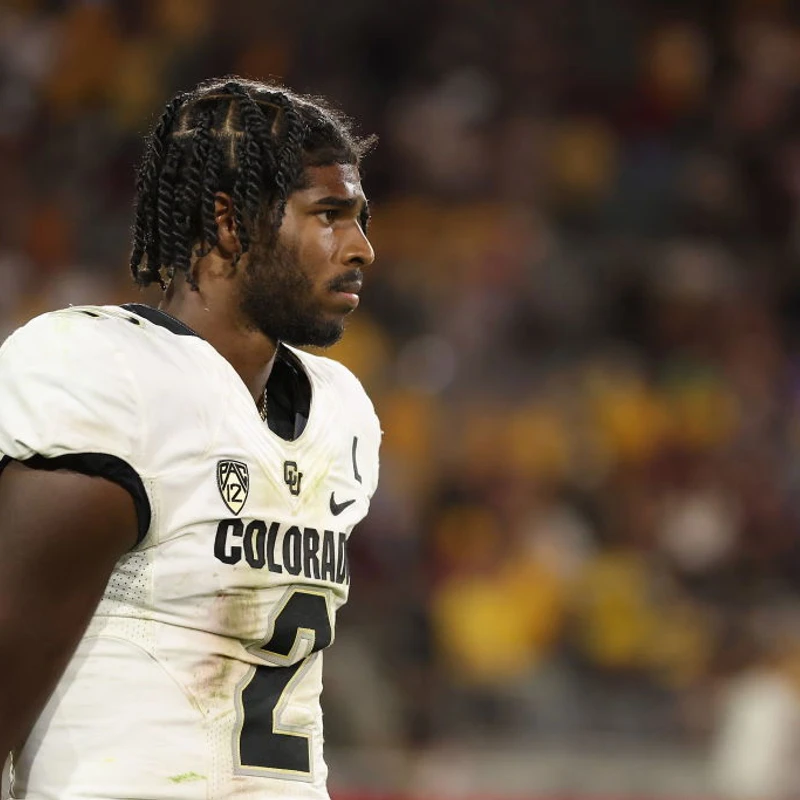
    It’s been a tough week for NFL rookie quarterback Shedeur Sanders. After finally making his debut with the Cleveland Browns on Sunday, November 16th, the initial excitement was quickly overshadowed by a distressing discovery: his home had been broken into.

    A Troubling Discovery After Game Day

    According to Cleveland.com, Sanders’ house was burglarized. At the time of reporting, there was no information available regarding whether anything was stolen, and no suspects have been identified. The Medina County Sheriff’s Office confirmed that the incident occurred in Granger Township, where Sanders resides.

    Sadly, this isn’t an isolated incident. There has been a concerning pattern of break-ins targeting the homes of NFL players, particularly on game days. Players like Joe Burrow (Cincinnati Bengals), Patrick Mahomes and Travis Kelce (Kansas City Chiefs), and Cameron Jordan (New Orleans Saints) have all been victims of similar crimes recently.

    On-Field Challenges and a Difficult Debut

    Sanders’ troubles began even before the break-in. Despite being projected as a top-three NFL Draft pick, he slipped to the fifth round, ultimately being selected 155th overall. He entered the game as a backup to fellow rookie Dillon Gabriel at the start of the second half after Gabriel sustained a concussion.

    The former University of Colorado star finished his debut completing 4 of 16 passes for 47 yards and threw one interception in the Browns’ 23-16 home loss to the Baltimore Ravens. Sanders himself acknowledged his performance wasn’t up to par, stating, “I don’t think I played good. I don’t think I played good at all.” He expressed the need to review the week’s performance and improve chemistry with his receivers.

    Looking Ahead

    If Dillon Gabriel remains sidelined due to concussion protocol for the Browns’ next game against the Las Vegas Raiders, Sanders is the likely starter. He’ll be looking to put this challenging week behind him and focus on improving his performance on the field, while hopefully ensuring better security off the field.

    What are your thoughts on the increasing number of home break-ins targeting NFL players? Share your concerns in the comments below!