Tag: Trayvon Martin

  • Candace Owens & the Consequences of Anti-Black Rhetoric

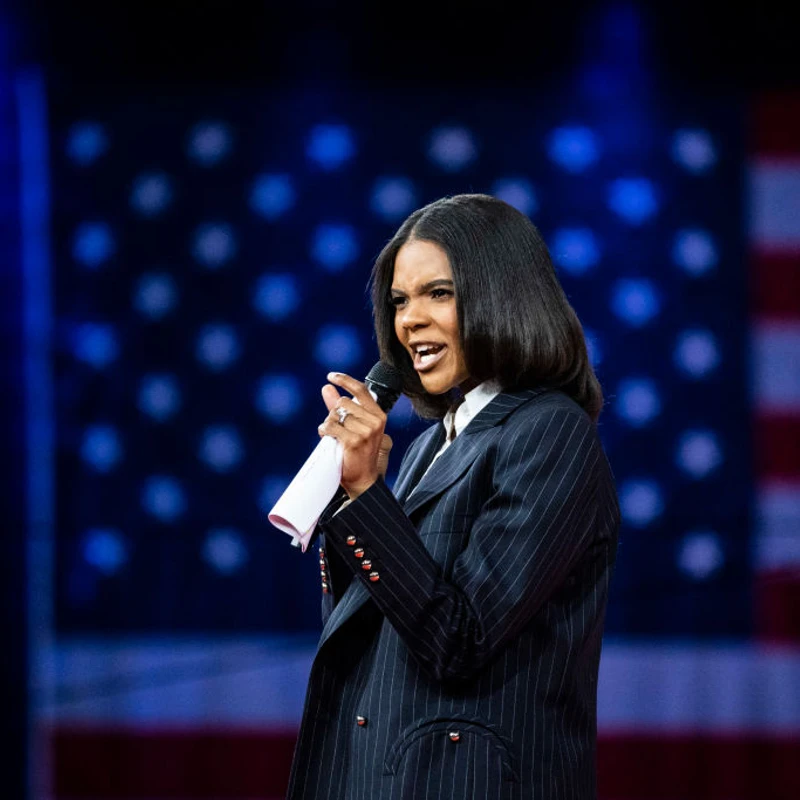
    Recent events have seen Candace Owens facing harsh criticism, including racist remarks from figures like Laura Loomer and a doctored image from Donald Trump labeling her negatively. While the language used is undeniably ugly and racist, many in the Black community are finding it difficult to muster sympathy. This reaction stems not from condoning racism, but from a deeper reckoning with Owens’s own history of rhetoric that has often targeted and undermined Black life and struggles.

    The Familiar Language of Racism

    The term ‘nappy-headed,’ used by Loomer, is a tired and recycled racial slur historically used to degrade Black women. It echoes past controversies, like Don Imus’s comments in 2007. While such language is unacceptable, its application to Owens doesn’t evoke widespread empathy because of who she is and the platform she has built. The focus shifts from the racism itself to the target and the context.

    Owens’s Brand: Contrarian Takes on Black Life

    Candace Owens has cultivated a career by offering contrarian views on Black issues. She has frequently dismissed systemic inequality, suggested Black Americans are solely responsible for their outcomes, and even claimed Black communities have been ‘given permission to be unbelievably racist.’ Her comments following George Floyd’s murder, emphasizing his past record and stating the idea of him as a martyr ‘sickens’ her, were particularly jarring to many during a time of collective grief and protest.

    Dismissing Black Movements and Minimizing Harm

    Owens has been openly critical of Black political movements, labeling Black Lives Matter as divisive and rooted in ‘victim mentality.’ She described activists as ‘whiny toddlers.’ These statements, made during periods of intense national focus on police brutality and racial injustice—marked by events like the killings of Tamir Rice, Trayvon Martin, and Michael Brown—were perceived by many as dismissive and contemptuous of Black pain and demands for dignity.

    When you dismiss systemic racism as a myth, you give cover to policies and institutions that refuse to address it. — Dr. Stacey Patton (Op-Ed)

    Her rhetoric has provided cover for those who wish to avoid addressing systemic racism, as a Black voice making such claims can be weaponized as ‘proof’ or ‘permission’ to continue harmful narratives. This messaging extends beyond social media, influencing policy debates, school board decisions, and public perception.

    Fractured Alliances and Shifting Loyalty

    Owens’s political alignments have also drawn scrutiny. She built her platform within conservative and Trump-aligned media, often serving as a counterpoint to Black political consensus. More recently, her public questioning of Charlie Kirk’s death and promotion of conspiracy theories have even fractured relationships within those spaces. Her continued defense of white conservative figures who have historically degraded Black people is seen by many as a devotion that is not reciprocated, making her a ‘useful’ but ultimately disposable figure.

    The Consequences of Alignment

    The damage caused by Owens’s rhetoric is significant. By legitimizing narratives that downplay racism, mock police violence, and frame Black communities as dysfunctional, she provides cover for policies and institutions that perpetuate harm. This messaging reinforces stereotypes used for generations to justify neglect and punishment.

    For many Black individuals, Owens’s consistent alignment against Black history, grief, and demands for dignity, in favor of narratives that diminish them, makes the expectation of solidarity unwarranted. The author argues that Owens is not a victim of the conservative ecosystem but a builder within it, and is now experiencing the consequences of that alignment. Her value was tied to her usefulness in reinforcing specific narratives; deviating from that can make her a liability.

    Recalibration, Not Redemption

    Owens is likely to recalibrate, framing the attacks as proof of her independence. Redemption, however, requires accountability and a reckoning with the harm caused by her rhetoric—a climb far steeper than a simple rebrand. Black audiences, particularly those she has antagonized, remember the ‘receipts.’ Her actions are seen as strategy, not growth. Ultimately, aligning with forces that diminish one’s own community proves to be a conditional relationship, leaving individuals vulnerable when that usefulness expires.

    Do you believe Candace Owens has caused harm with her rhetoric? How should Black audiences respond when public figures from their community align with anti-Black sentiments? Share your thoughts in the comments.
  • Florida Textbook Edits Spark Outrage

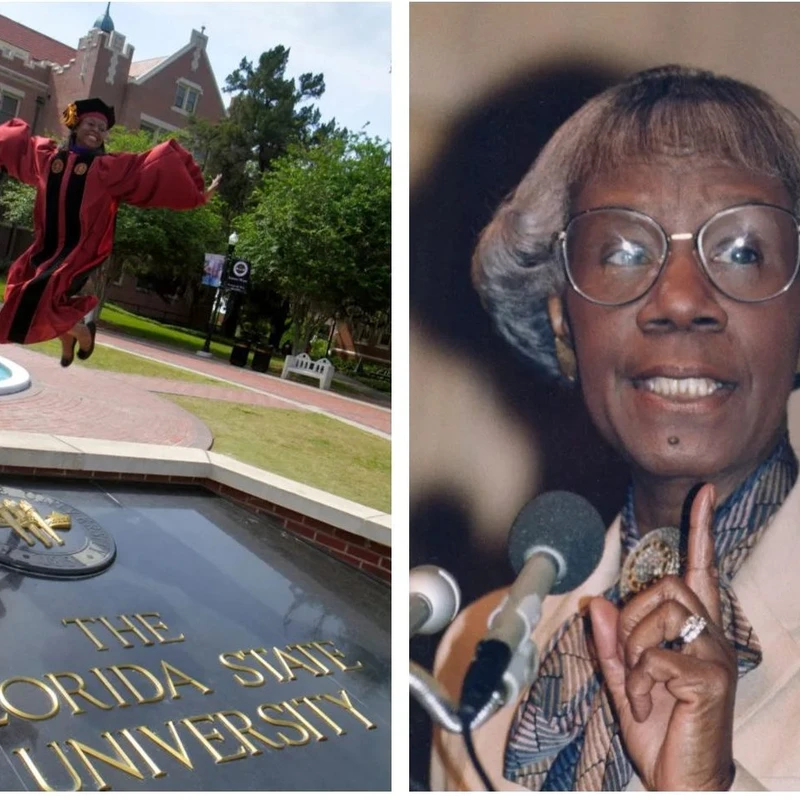
    In Florida, a new version of a required sociology textbook for introductory courses at Florida State University has sparked significant backlash. The revised edition, part of Governor Ron DeSantis’s initiative to eliminate “woke ideology,” has drastically cut content, removing entire chapters on race, ethnicity, and social justice movements, and reducing historical figures to mere footnotes.

    Drastic Cuts and Content Removal

    The original textbook, an open-source resource with 669 pages, has been slashed to just 267 pages. This massive reduction includes the elimination of four entire chapters, notably one on race and ethnicity and another detailing the historical genocide of Native Americans. The term “racism,” which appeared 115 times in the original text, is now mentioned only six times.

    Instructors have also pointed out numerous typos and what appear to be rushed compilations, raising serious questions about the thoroughness and accuracy of the new version. This comes after a 2023 state law prohibiting college courses from “distorting significant historical events or teaching identity politics.”

    Silencing History: Trayvon Martin, BLM, and Shirley Chisholm

    Key historical events and movements that were previously discussed have been erased. References to the killing of Trayvon Martin and the Black Lives Matter movement are gone. Perhaps most notably, Shirley Chisholm, the first Black woman elected to Congress, has been relegated to a single footnote in the revised text.

    Civil rights attorney Ben Crump voiced his outrage on Instagram, calling the reduction of Chisholm, a trailblazer for Black women, to a mere footnote a significant disservice. The edits have led to widespread criticism from educators, civil rights advocates, and parents concerned about the historical accuracy and completeness of education in Florida.

    Concerns Over Ideological Control

    Professors argue that this textbook revision serves the ideological agenda of the Florida state government over the intellectual contributions of sociologists. Evan Lauteria, an assistant instructional professor at UF, stated that this approach “effectively erases our field’s capacity to address social problems and sets a dangerous precedent for the state to impose its own definition of science.”

    The removal of these topics and figures raises concerns about how students will gain a comprehensive understanding of American history, race, and social justice. Many are questioning the implications of such censorship on higher education and the future of academic freedom in the state.

    What are your thoughts on these textbook revisions in Florida? Do you believe this approach to education is appropriate? Share your views in the comments below!

  • Adidas Honors Ahmaud Arbery with New Zine

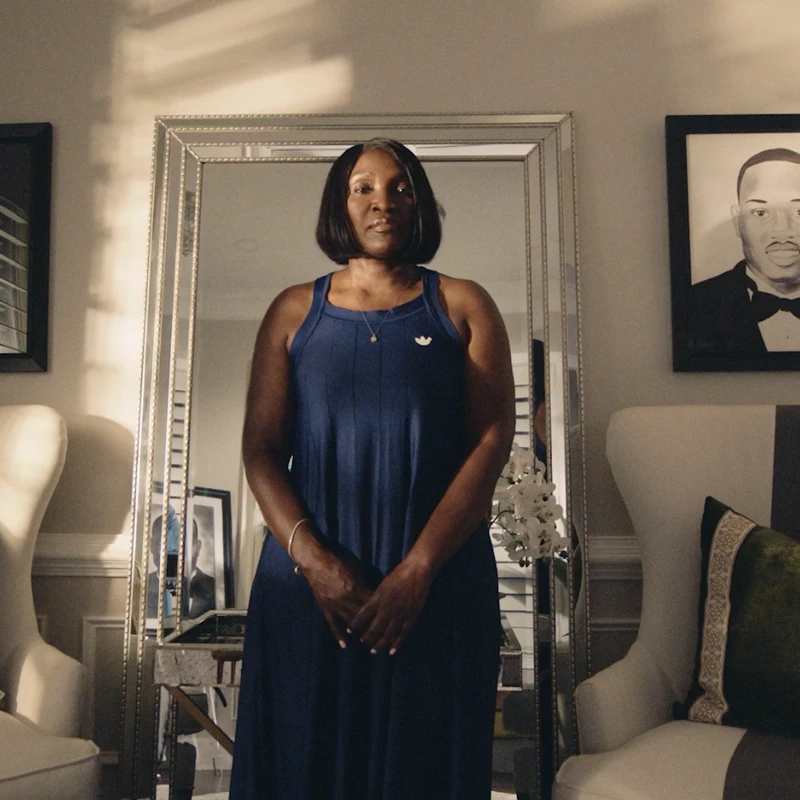
    In a powerful collaboration, Adidas is honoring the legacy of Ahmaud Arbery and the unwavering advocacy of his mother, Wanda Cooper-Jones, with the release of “Community Archives.” This new zine, launched on Giving Tuesday, serves as a testament to Arbery’s life, the pursuit of justice, and the ongoing work to create a world where Black boys can run freely and safely.

    From Tragedy to Advocacy: Wanda Cooper-Jones’s Journey

    Before the tragic events of February 23, 2020, Wanda Cooper-Jones lived a quiet life in coastal Georgia. That day, her son Ahmaud, a vibrant 25-year-old athlete, went for a jog and never returned. His murder, a racially motivated attack, brought his story to the forefront of national attention. However, for Wanda, he was simply her son, a young man who found freedom in running.

    Refusing to let her son’s truth be buried, Wanda Cooper-Jones became a fierce advocate. She fought tirelessly, demanding answers and pushing for legislative change. Her efforts contributed to significant legislative shifts in Georgia, including the repeal of the citizens’ arrest law and the implementation of a hate crime law. This commitment to change led to the founding of The Ahmaud Arbery Foundation.

    The Ahmaud Arbery Foundation: Building Community and Healing

    Born from a mother’s calling, The Ahmaud Arbery Foundation aims to honor Ahmaud’s spirit by creating safe spaces for young Black boys. The foundation focuses on fostering wellness practices, leadership skills, and collective healing. Through partnerships with high schools, the foundation hosts summits on topics like leadership and social justice, transforming strangers into brothers.

    Wanda also finds strength and support through the Circle of Mothers, a healing retreat hosted by the Trayvon Martin Foundation. This community of mothers who have lost children to violence provides a vital space for shared grief and mutual support, reinforcing Wanda’s promise to keep Ahmaud’s name alive.

    Adidas: A Partnership Rooted in Shared Values

    Adidas’s partnership with The Ahmaud Arbery Foundation began quietly in 2020, rooted in a shared belief that every young person deserves to run without fear. Unlike a typical sponsorship, this has been a sustained collaboration focused on community and legacy. Adidas has supported the Foundation’s initiatives since its early launch, providing mentorship, funding, and storytelling support through programs like the social enterprise accelerator (now Community LAB).

    • 2021: Supported the Foundation’s launch in Atlanta.
    • 2022: Provided mentorship and funding through the Community LAB program.
    • 2023: Expanded youth engagement with the “Run With Maud” 5K.
    • 2022–2025: Supported Ahmaud Arbery Day activations and youth running initiatives.
    • 2024: Wanda Cooper-Jones honored in Adidas’s “Honoring Black Excellence” initiative with a grant for the Foundation.

    This enduring relationship highlights Adidas’s commitment to community-driven work, consistently elevating the community’s voice over its own brand.

    Community Archives: A Living Legacy

    The “Community Archives” zine features a six-page spread dedicated to Wanda Cooper-Jones. It chronicles her journey through grief, her triumphs in advocacy, the impact on the youth she serves, the communities she’s helped heal, and her unwavering promise to Ahmaud. This zine serves as a retrospective and a cultural record, celebrating those who have shaped sport, culture, and community.

    Wanda’s message to her community is one of involvement and presence: “I would tell any parent to get involved. Know what your kids are doing. Be there for them because we’re losing a lot of young men due to gun violence in our community.” Her resilience, accountability, and purpose, fueled by love, continue to drive her mission.

    How does Ahmaud Arbery’s story and Wanda Cooper-Jones’s advocacy inspire you? What does legacy mean to you? Share your thoughts in the comments below!