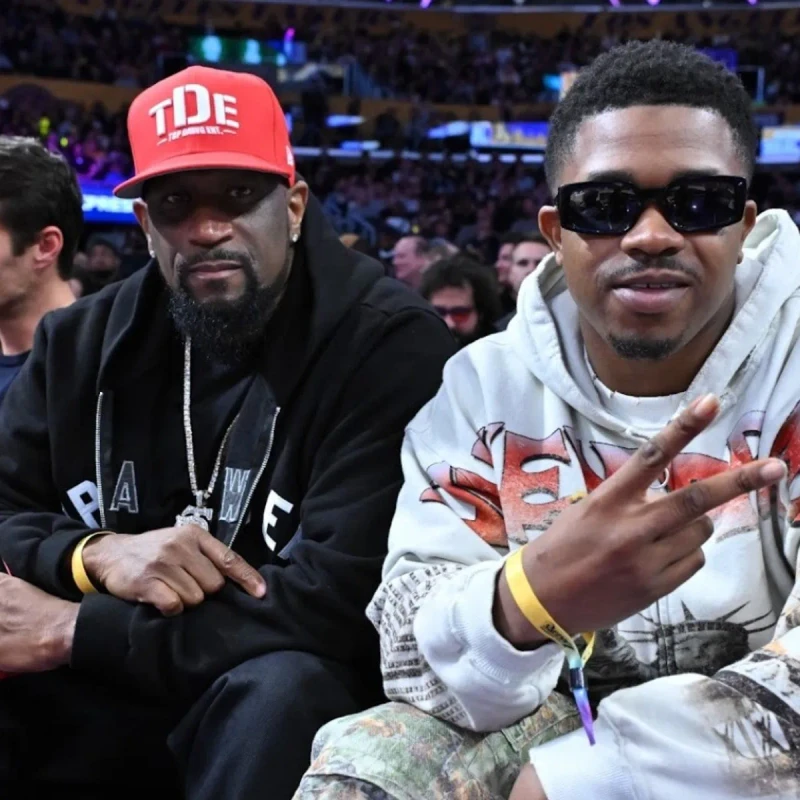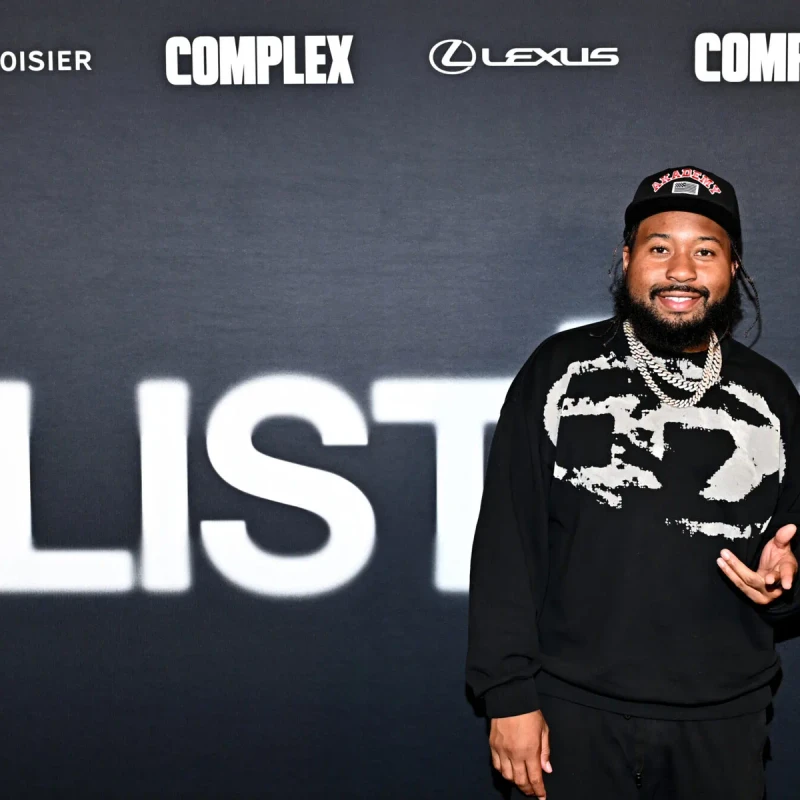
In the fast-paced world of music promotion, transparency can sometimes be a casualty. DJ Akademiks, a prominent voice in hip-hop media, is now addressing claims that he accepts payments to push artists’ music. The conversation was sparked by TDE signee Trap Dickey during a recent interview on The Breakfast Club.
Trap Dickey’s Experience with Paid Promotion
During his interview, Trap Dickey detailed some of the challenges he faced during his come-up before signing with TDE. He mentioned trying various promotional strategies, including paying DJ Akademiks for a post on his Instagram page. Dickey stated he paid between $2,000 and $3,000 for the promotion, suggesting that such paid posts are common and sometimes appear to be funded by record labels.
This revelation quickly circulated on social media platforms like X, leading some users to accuse Akademiks of engaging in pay-for-post schemes. The core concern is whether these paid promotions compromise the perceived authenticity of tastemakers and influence audience perception of an artist’s organic success.
Akademiks’ Response: Transparency is Key
Akademiks, however, has responded directly to these allegations, asserting that he has never hidden his business practices. In a tweet addressing the discussion, he questioned if people thought they were revealing something new, stating, “Wait they thought they were revealing some new stuff?? I’m pretty transparent good or bad.”
His response suggests that accepting payment for promotional posts is a known aspect of his business model, and he considers himself open about it. This stance implies that artists paying for exposure on his platform is a standard practice, not a clandestine operation.
Broader Context of Paid Promotion
These accusations come at a time when another individual, Jeremy Hecht, has also alleged that Akademiks receives payments from major labels and even the head of Truth Social. The practice of paid promotion is widespread across social media, particularly for influencers and content creators who have built large followings. For artists, especially independent ones, these platforms can offer a vital avenue for reaching new audiences.
The debate ultimately circles back to the balance between artists needing promotion and audiences trusting the content they consume. While Akademiks maintains his transparency, the question remains for listeners: does knowing a post is paid change how you perceive the artist or the music?
What are your thoughts on DJ Akademiks’ response? Do you think it’s fair for artists to pay for promotion on large social media pages? Share your opinions in the comments below!