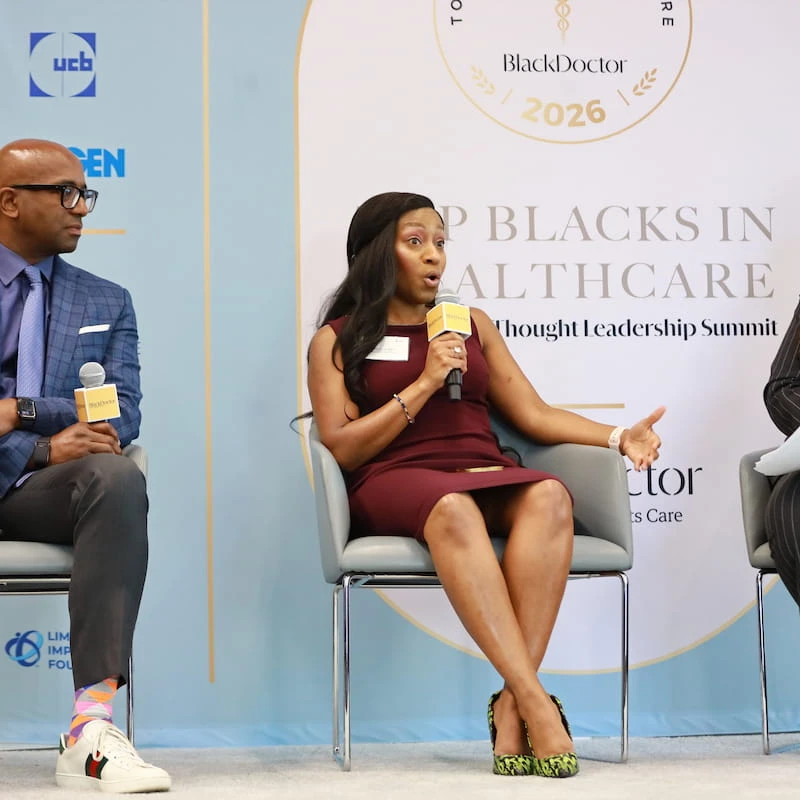
Hidradenitis Suppurativa (HS), a chronic skin condition causing painful boils, disproportionately affects Black communities. Patients often face delayed diagnoses, severe disease, and significant barriers to quality care. To address these critical issues, BlackDoctor’s 10th Annual Thought Leadership Summit hosted a vital panel, “Breaking the Silence: Powering Awareness and Care for HS.”
HS: More Than Just a Skin Condition
Panelists, including Dr. Adam Friedman, Charity Williams, Tiffany Crawford, and patient advocates Jeremy Hinkston and Cydney Carter, emphasized that HS is far more than a surface-level skin issue. “HS isn’t just a skin condition — it is associated with just about every medical condition,” explained Dr. Friedman. It’s linked to obesity, diabetes, heart disease, depression, and chronic pain, significantly impacting mental health, mobility, and self-esteem.
Crucially, HS is a medical condition, not a reflection of poor hygiene or self-inflicted suffering. The chronic pain and flare-ups can be physically and emotionally draining, interfering with daily life. Managing HS requires comprehensive care that addresses its multifaceted impact.
Delayed Diagnoses and Pervasive Stigma
Black individuals with HS often wait around five years for an accurate diagnosis, significantly longer than their white counterparts. This delay is often due to symptoms being mistaken for other conditions and the pervasive stigma surrounding HS. “Many Black people don’t talk about HS because they believe it’s tied to chronic boils or STDs,” noted Tiffany Crawford, contributing to the reluctance in seeking care.
Weight stigma also complicates care, despite HS being a complex condition unrelated to body size alone. Jeremy Hinkston shared his experience of severe HS causing dramatic weight fluctuations, emphasizing, “It’s not about weight.” This stigma can prevent individuals from seeking the help they desperately need.
The Need for Equitable Care and Self-Advocacy
The healthcare system often falls short, with many providers lacking the training to identify early HS signs. This leads to prolonged suffering. “How are we supposed to move forward if a doctor is not taking the time to research what’s destroying you?” Hinkston questioned. Panelists stressed the importance of earlier recognition, dermatology referrals, and equitable access to specialized care.
Self-advocacy is paramount. Patients are encouraged to ask questions, seek second opinions, and push for referrals. As Crawford advised, “Just because there’s a white coat, doesn’t mean they’re right — push back.” Cydney Carter shared her own journey of feeling lost and defeated at 17, highlighting the need for better support systems for young patients.
Challenging Shame and Building Support
HS can leave permanent scars, impacting body image and leading to shame and isolation. Carter offered a powerful message: “It’s okay to have scars or not have an aesthetically pleasing body.” The panel underscored that greater awareness, earlier diagnosis, compassionate care, and robust support networks are essential for those living with HS to break the silence and live fuller lives.
If you or someone you know is affected by HS, share your experiences or support resources in the comments below. Let’s continue to break the silence!