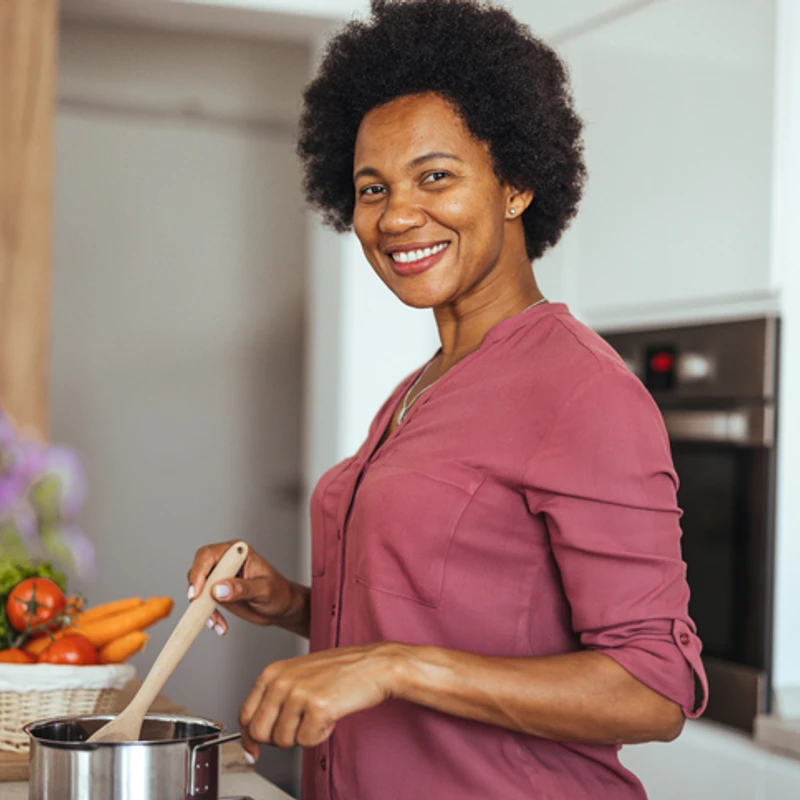
Have you ever found yourself feeling calmer after spending time in the kitchen, chopping vegetables or stirring a simmering pot? There’s a reason for that! Cooking therapy, also known as culinary therapy, is a real and powerful practice that uses the act of preparing and enjoying food to boost mental well-being and help navigate psychological challenges.
The Sensory and Mindful Experience of Cooking
What makes cooking so therapeutic? It’s a full sensory experience! You engage your sense of touch with different food textures, see how ingredients transform, hear the sizzle of frying, taste as you go, and, of course, enjoy the wonderful aromas. This heightened sensory engagement, combined with the repetitive motions often involved in cooking, promotes mindfulness.
Beyond the immediate sensory benefits, there’s a profound sense of accomplishment that comes from creating a dish from scratch. It can also be a way to connect with your heritage, exploring culturally rich recipes that hold family history and tradition. Think of the joy in making a perfect sweet potato pie or a comforting bowl of gumbo!
Cooking for Health and Connection
Studies have even shown links between frequent cooking and improved health outcomes, particularly among older adults. For Black Americans, cooking can serve as a healthy and creative outlet, fostering stronger bonds within families, friendships, and the wider community. Imagine adapting community nutrition initiatives, swapping recipes, and encouraging each other towards healthier habits.
You don’t need to be a gourmet chef to reap these benefits. Simply getting on your feet to gather ingredients, chop, and mix can be a great way to move your body. Cooking also sharpens concentration and alertness as you monitor your dishes, relying on your senses to know when they’re perfectly done. This builds a sense of independence and sustainability, especially if you also dabble in gardening – imagine eating something you grew yourself!
Diet, Mood, and Culinary Therapy
The benefits extend to what you eat, too. A diet rich in produce, omega-3s, and B vitamins can significantly help reduce anxiety and stress levels. As you build your cooking skills, you gain more control over your diet, which has a direct positive effect on your mental state.
For Black Americans, cooking offers a judgment-free zone for emotional expression and mental wellness. Honoring family recipes and cultural traditions, whether it’s potato salad, shrimp and grits, or catfish croquettes, can be deeply fulfilling. Cooking with friends or partners, sharing the oral history of a dish, or even joining group classes can create meaningful connections and preserve lineage.
- Potato salad
- Macaroni and cheese
- Shrimp and grits
- Corn muffins
- Catfish croquettes
Healing Recipes to Inspire You
Looking for some inspiration? Consider a nutrient-dense sun-dried tomato flatbread as a healthier pizza alternative, perhaps topped with veggies and goat cheese. Risotto is fantastic for practicing mindfulness, as the constant stirring requires you to remain present and can become almost meditative. Connecting with heritage through dishes like collard greens, sautéed kale with sweet potatoes, or a refreshing Watermelon Caprese salad can be incredibly rewarding.
For a comforting yet light meal, try an okra and tomato stew. And don’t forget the rich flavors of West African Peanut Stew, a delightful combination of chicken, vegetables, and peanut butter. If you’re not feeling up to a full cooking session, a creative charcuterie board with fruits, cheeses, and veggies can also be a fun, mindful activity.
The 5 P’s of Cooking Therapy
To get the most out of your culinary journey, remember the 5 P’s: Presentation, Preparation, Planning, Pride, and Passion. Planning involves deciding your menu and checking ingredients. Preparation is key – get everything organized before you start cooking. Presentation makes the meal visually appealing, while passion and pride infuse your cooking with love and respect, making the entire experience more rewarding.
Even for those with ADHD, cooking can be made more manageable. Using visual aids like timers, organizing your space beforehand, and listening to soothing music can help reduce overwhelm. Starting with simple recipes with few ingredients is a great way to build confidence.
Feed Your Mind with Culinary Skills
Incorporating cooking therapy into your life is a delicious way to learn about nutrition, connect with loved ones, and discover new cultural flavors. Whether you’re exploring ancestral ingredients or trying fusion dishes, finding joy in cooking and eating can make every day more special and delightful for all your senses.
What are your favorite dishes that bring you comfort or joy? Share your thoughts and recipes in the comments below!