Living with chronic illness can significantly impact the quality of life for aging adults, often leading to reduced freedom and increased disability. For many in Black communities, conditions like diabetes, high blood pressure, and the daily stress of systemic racism exacerbate these challenges, contributing to shorter life expectancies and more difficult health management. But there’s good news: with the right approach, we can protect health, extend lives, and preserve the invaluable wisdom within our communities.
The Impact of Chronic Illness and Systemic Factors
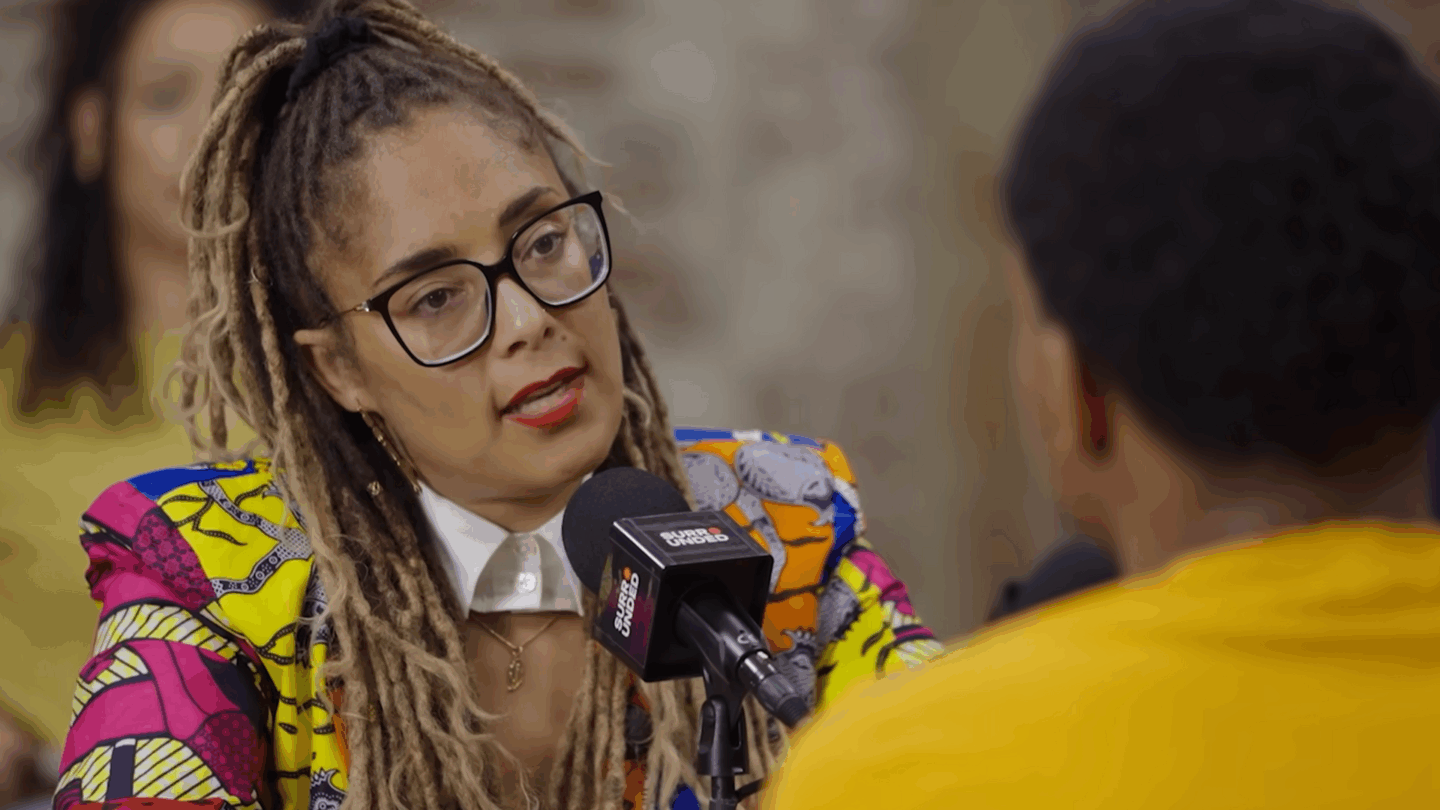
Dr. Cheryl E. Woodson, a respected geriatrician, explains that the combination of chronic conditions like diabetes and obesity, coupled with the persistent stress of systemic racism, creates a perfect storm. This combination can elevate cortisol levels, fuel inflammation, and tragically increase the rates of strokes, heart disease, and kidney failure. These social and medical factors not only shorten lifespans but also make managing chronic illnesses considerably harder.
Understanding these interconnected issues is the first step toward providing better support and care for our aging loved ones. It highlights the need for a holistic approach that addresses both medical needs and the social determinants of health.
A Prescription for Better Care: The 10-Question Framework
Dr. Woodson introduces a practical 10-question framework designed to help families create realistic, long-term care plans for aging adults. This structured approach empowers caregivers to become active partners with doctors, enabling them to recognize warning signs of health decline early on. By identifying potential issues proactively, caregivers can help prevent unnecessary hospitalizations, ultimately keeping their loved ones safer and healthier in the comfort of their own homes.
Empowering Caregivers and Communities
The good news is that with the right tools, improved care coordination, and robust support systems for caregivers, we can make a significant difference. By working together, we can protect health, extend lifespans, and ensure that the valuable wisdom and contributions of our elders continue to enrich our communities for years to come.
What are your biggest challenges when supporting aging adults with chronic illnesses? Share your experiences and tips in the comments below!