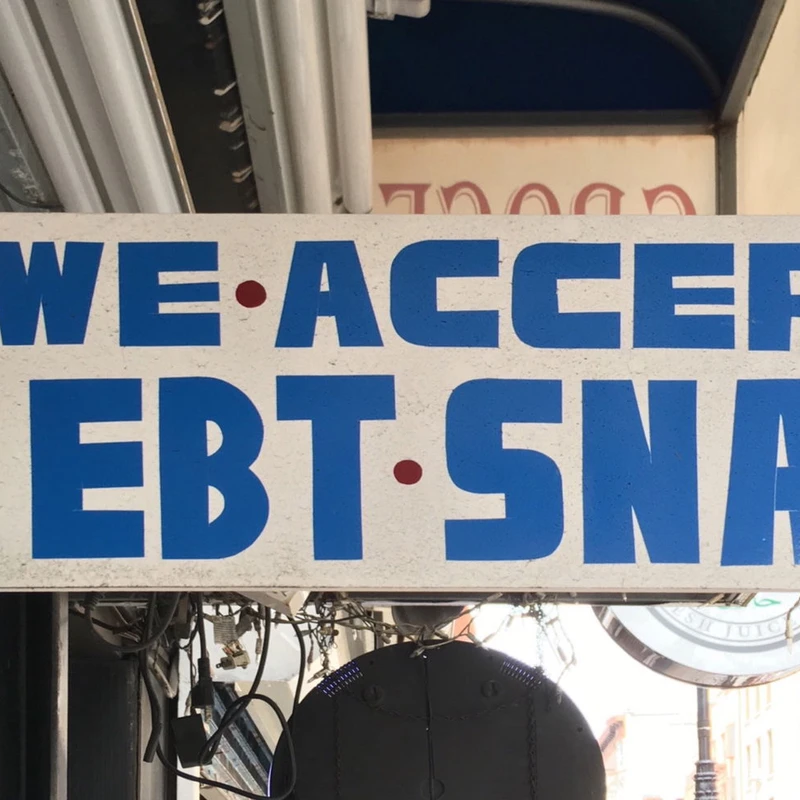
For millions of low-income households relying on the Supplemental Nutrition Assistance Program (SNAP), a significant change is on the horizon. As federal benefits resume following the recent government shutdown, new work requirements are set to take effect in December, potentially shrinking the number of SNAP recipients nationwide.
Understanding the New SNAP Work Requirements
The Trump administration’s “One Big Beautiful Bill,” signed into law in July, expanded work rules for many adult SNAP recipients. These new requirements mandate that individuals work, volunteer, or participate in job training for at least 80 hours per month. Failure to meet this threshold means benefits can be received for only three months within a three-year period.
Previously, these rules primarily affected able-bodied adults aged 18 to 54 without dependents. However, the updated legislation extends these requirements to individuals aged 55 to 64 and parents who do not have children under 14. Furthermore, exemptions for homeless individuals, veterans, and young adults transitioning out of foster care have been removed. States seeking waivers for areas with limited job opportunities will also face tighter restrictions.
Impact on Recipient Numbers and Fraud Concerns
The Congressional Budget Office estimates that these new rules could lead to a reduction of approximately 2.4 million people from the average monthly SNAP rolls over the next decade. This significant decrease highlights the potential impact on vulnerable populations who rely on SNAP for essential food assistance.
In addition to the work requirements, the Trump administration has also considered requiring all SNAP recipients to reapply, citing concerns about alleged fraud and waste. Agriculture Secretary Brooke Rollins has pointed to instances of deceased individuals and those receiving multiple benefits as justification. While the USDA confirmed it will continue using current verification systems, they stated that ongoing analysis and improved collaboration with states are part of their efforts to address these concerns.
What This Means for SNAP Users
The three-month limit on receiving SNAP benefits without meeting the new requirements officially begins in December. This change comes after the federal government temporarily paused these work requirements in November. For many, this transition signifies a critical juncture, potentially affecting their ability to access consistent food support.
The SNAP program currently supports over 40 million Americans, providing an average of $190 per person. As these new rules are implemented, it’s crucial for recipients to understand the changes and ensure they are meeting the updated requirements to maintain their benefits.
Are you or someone you know affected by these new SNAP rules? Share your experiences and concerns in the comments below!