Tag: strip club culture

  • Sonya ‘Platinum’ Meadows on Magic City’s Golden Era

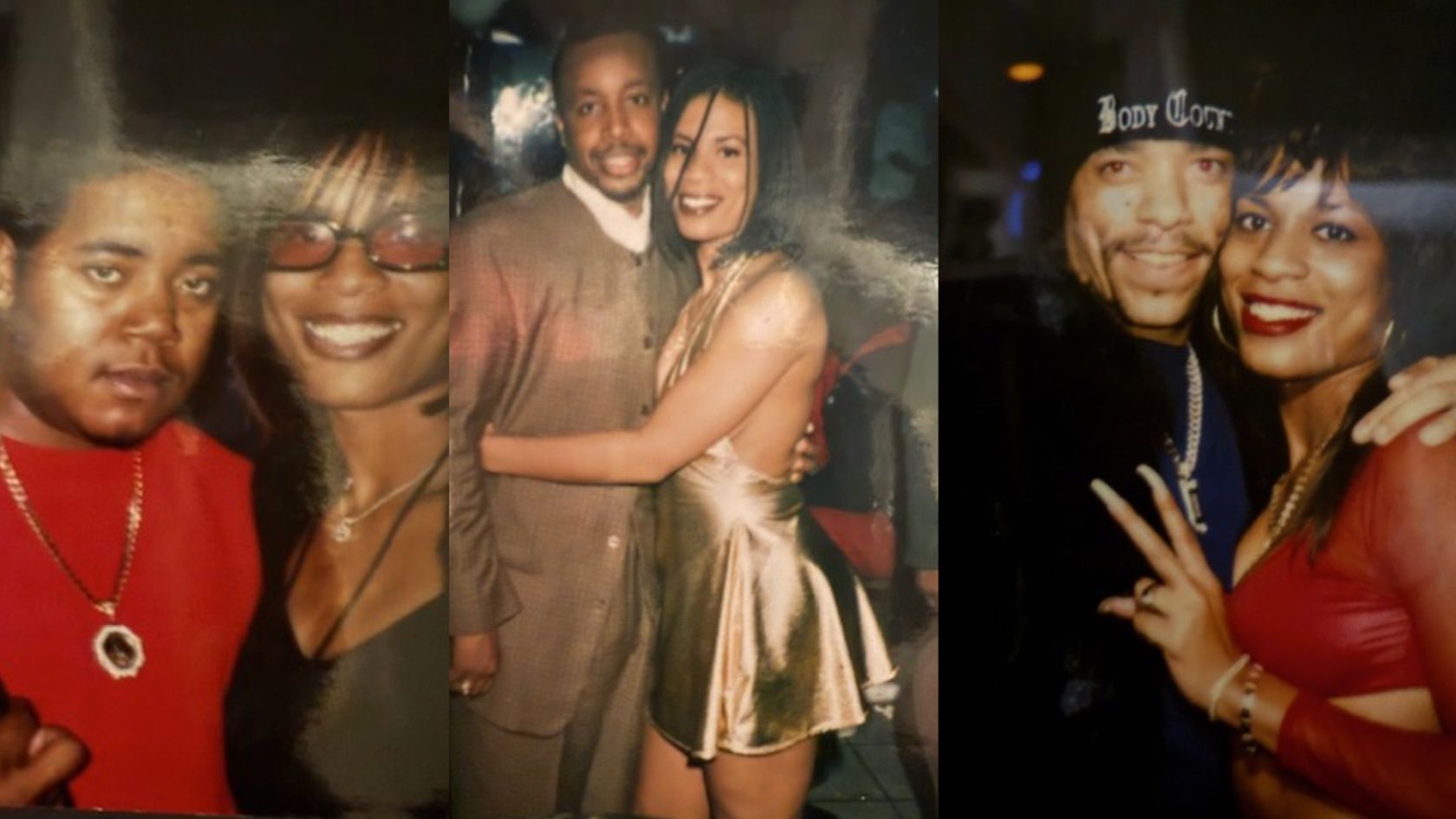
    Remember the legendary days of Magic City in Atlanta? Sonya Meadows, famously known as “Platinum,” one of the club’s pioneering dancers, is sharing her insights into that iconic era. In an exclusive interview, she reflects on the unique energy, the hustle, and the celebrity status that defined her time there.

    A Star-Studded Scene and Mutual Respect

    Platinum recalls a special connection with Big Meech, the founder of BMF, describing him as more than just a client. She highlights his respect for the dancers and his support, noting that he always maintained professional boundaries. This era, she explains, was characterized by a level of prestige and mutual respect that she feels is often missing today.

    Back then, being a dancer at Magic City meant you were a celebrity in Atlanta. Platinum remembers receiving VIP treatment everywhere they went – restaurants comped their meals, clubs offered instant access, and the city celebrated them. It was a far cry from how she sees dancers being treated now, with customers sometimes showing disrespect by sitting on the stage during performances, behavior that was unthinkable in her day.

    Challenging Misconceptions About Dancers

    One of the biggest misconceptions Platinum addresses is the assumption that all dancers are simply “h*es.” She emphasizes that many women who danced at Magic City had full lives outside the club – they were mothers, students, and entrepreneurs. For them, dancing was a job, a way to earn a living, and it’s crucial to understand that distinction, rather than equating the profession with their entire identity.

    She fondly remembers the legendary “Magic Mondays,” describing them as the ultimate scene in Atlanta nightlife. It was a melting pot for top rappers, athletes, and prominent figures in the city, creating an atmosphere that felt like a movie. Platinum also notes the difference in how men carried themselves back then, often dressing impeccably and showing dancers the respect they deserved, a stark contrast to what she perceives as a loss of that admiration and boundary-setting in today’s club scene.

    What are your memories of Magic City or that era of Atlanta nightlife? Do you agree with Platinum’s perspective on how things have changed? Share your thoughts in the comments below!

  • Jermaine Dupri’s Docuseries Celebrates Atlanta’s Magic City

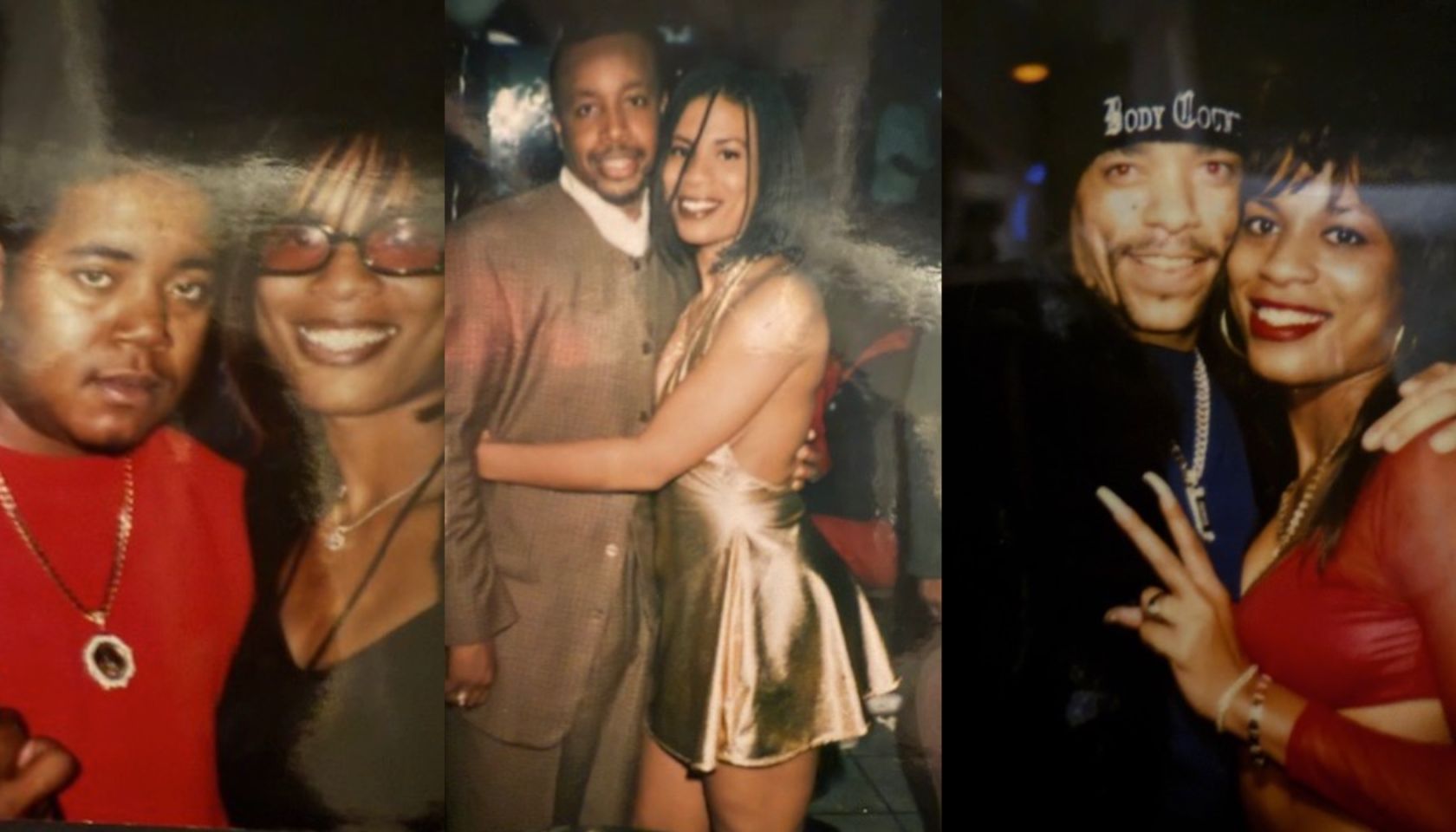
    Jermaine Dupri is shining a spotlight on a cornerstone of Atlanta’s cultural landscape with his new Starz docuseries, ‘Magic City: An American Fantasy.’ More than just a look at a legendary strip club, Dupri aims to showcase the deep family ties, rich history, and significant influence of Magic City on hip-hop and Atlanta’s entertainment scene, ensuring the city’s culture finally gets the recognition it deserves.

    From Conversation to Cultural Landmark

    The idea for the documentary sparked during a conversation between Dupri, his father, and author Cole Brown. What began as a discussion about Atlanta’s musical impact soon evolved, with many stories circling back to the iconic Magic City club. Brown’s curiosity about the club’s significance to Dupri and Atlanta’s entertainment scene led to the realization that a documentary was essential.

    Dupri emphasizes that Magic City is more than just a strip club; it’s a cultural landmark deeply rooted in family, with Michael ‘Mr. Magic’ Barney’s family at its helm. He admires how the club operates with a sense of ownership and unity, a quality he envies. For those unfamiliar with the venue, Dupri highlights its role as a crucial meeting place and networking hub, where music, sports, and street culture intersect, often serving as a testing ground for new hip-hop hits.

    Giving Atlanta Its Cultural Flowers

    Dupri expresses frustration with how Atlanta’s culture is often perceived compared to cities like New York or Los Angeles. He points out that while violent narratives from other cities are readily accepted as culture, Atlanta’s contributions, even those from nightlife institutions like Magic City, are sometimes dismissed or judged more harshly. He feels a responsibility to champion his city’s unique cultural identity.

    While films like ‘ATL’ offered a glimpse into certain aspects of Atlanta’s youth culture, Dupri believes ‘Magic City’ tells another vital truth – the ‘grown-folks’ side of the culture. He clarifies that it’s not about violence but about the nightlife, the music industry hustle, and the deals made in a unique environment. He hopes the docuseries encourages audiences to look past the strip club label and recognize its decades-long standing as a pillar of Atlanta’s entertainment landscape.

    A Comprehensive Look at Magic City

    The five-part docuseries delves into various facets of Magic City, offering a full picture of the magic behind the name. It explores the entertainment, the behind-the-scenes stories of the dancers, and the entrepreneurial spirit that thrives within its walls. By streaming ‘Magic City: An American Fantasy’ on Starz, Dupri aims to ensure that Atlanta’s legacy in hip-hop storytelling is complete, acknowledging the place where its soundtrack was honed and history was made.

    What are your thoughts on Jermaine Dupri’s docuseries and its portrayal of Atlanta’s culture? Share your opinions in the comments below!

  • Sonya ‘Platinum’ Meadows Recalls Magic City’s Golden Era

    Step back in time with Sonya Meadows, famously known as ‘Platinum,’ as she shares her experiences from the legendary era of Magic City in Atlanta. In an exclusive chat with Hip-Hop Wired, Platinum offers a vivid look into what it was like to be one of the pioneering dancers at the iconic strip club, painting a picture of the energy, hustle, and celebrity status that defined that time.

    A Star on the Magic City Stage

    Platinum recalls a time when being a dancer in Atlanta meant you were a bona fide celebrity. The respect was palpable, with dancers receiving VIP treatment everywhere they went – from complimentary meals at restaurants to immediate access in exclusive clubs. The city itself seemed to celebrate these women who graced the Magic City stage.

    She also shared a special connection with Big Meech, the founder of BMF. Far from just being a client, Platinum describes him as someone who showed respect and offered support without crossing professional boundaries, highlighting a different dynamic than what might be seen today.

    The Evolution of Strip Club Culture

    Reflecting on the changes over the years, Platinum notes a significant shift in how dancers are treated. She expresses concern over the lack of respect she’s witnessed recently, citing instances where customers sit on the stage during performances – behavior that was unthinkable during her dancing days. This contrast highlights a perceived decline in the reverence dancers once commanded.

    One of the biggest misconceptions Platinum addresses is the assumption that all dancers are simply “h*es.” She emphasizes that many women who dance have multifaceted lives outside the club, pursuing education, motherhood, or entrepreneurial ventures. For them, dancing was a job, a means to an end, and understanding that distinction is crucial.

    Remembering ‘Magic Mondays’

    Platinum fondly remembers the legendary “Magic Mondays,” describing them as the ultimate social event in Atlanta. These nights were a magnet for the city’s elite, drawing top rappers, athletes, and prominent figures from the street hustle scene. The atmosphere was electric, feeling more like a movie set than just a club night.

    She also reminisces about the era’s emphasis on presentation and respect, noting how men would arrive well-dressed and show genuine admiration for the dancers. This culture of respect and clear boundaries, she feels, has been lost in today’s strip club environment.

    What are your memories of Atlanta’s nightlife during the Magic City era? Share your thoughts in the comments below!