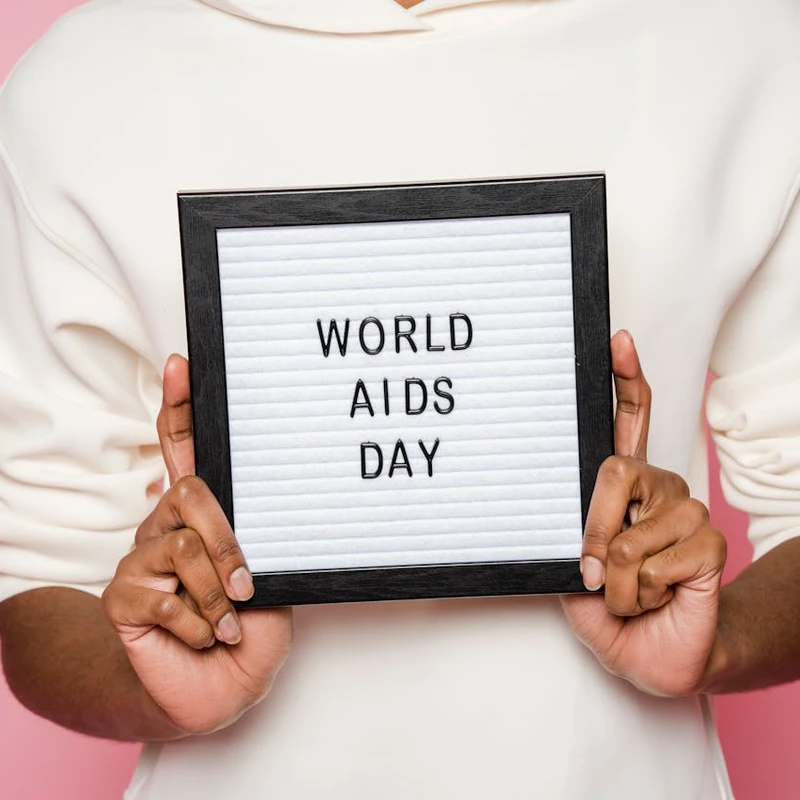
In a move that has raised significant concern, the Trump administration has broken with decades of tradition by refusing to officially commemorate World AIDS Day on December 1st. This decision marks the first time the United States has opted out of the global observance, which is dedicated to recognizing lives lost to HIV/AIDS and raising awareness for the ongoing fight against the epidemic.
An Unusual Stance on Awareness
The State Department defended its decision by stating that “an awareness day is not a strategy.” This rationale suggests a shift in how the administration approaches combating the HIV/AIDS epidemic and its associated stigma. While past administrations, regardless of political party, have engaged in symbolic recognition of World AIDS Day, President Trump has chosen a different path.
This departure from tradition means no official commemorative actions were taken by the current U.S. President. A spokesperson for the State Department emphasized that the government is “modernizing our approach to countering infectious disease” and is working directly with foreign governments to save lives and increase their responsibility. However, advocates worry this shift could negatively impact funding for global health initiatives.
Concerns Over Funding and Care
The United States has historically been a major contributor to HIV/AIDS awareness and care, investing billions over the years. The current administration’s disengagement from World AIDS Day is seen by some activists as a sign of diminished commitment to eradicating the disease and supporting those living with it. This move follows a pattern of scaled-back funding and support for global health initiatives.
The impact of reduced funding is already being felt in heavily affected regions, including several African nations like Zambia, the Democratic Republic of the Congo, Ethiopia, and Kenya. Many individuals are facing difficulties accessing necessary medication due to fluctuating financial support. This decision also dismisses the experiences of those within the U.S. who have died from or continue to live with the disease, a significant portion of whom are people of color.
Disproportionate Impact on Communities of Color
The HIV/AIDS epidemic disproportionately affects Black and Hispanic communities in the U.S., with systemic medical racism contributing to challenges in diagnosis and treatment. Data indicates that Black women bear the highest rates of new HIV diagnoses and related deaths, accounting for a significant percentage of cases. This makes the administration’s stance on World AIDS Day particularly concerning for these vulnerable populations.
Activists like Mitchell Warren, executive director of AVAC, have called the decision “devastating and chaotic,” viewing the omission as a lack of political will. Asia Russell, executive director of Health GAP, echoed this sentiment, describing the ban on commemorating the day as “depraved and outrageous.”
A Broader Trend?
This decision aligns with broader actions taken by the Trump administration regarding global health, particularly given the influence of figures like Robert Kennedy Jr. within the Department of Health and Human Services, who has been a vocal critic of vaccines and a proponent of conspiracy theories. The funding cutbacks and the disregard for established awareness days raise serious questions about the future of public health efforts both domestically and internationally.
What are your thoughts on the Trump administration’s decision not to honor World AIDS Day? Do you believe “awareness days” are crucial for public health strategies? Share your perspective in the comments below!