Tag: Soul Food

  • Brandon Hammond Revives ‘Soul Food’ Legacy

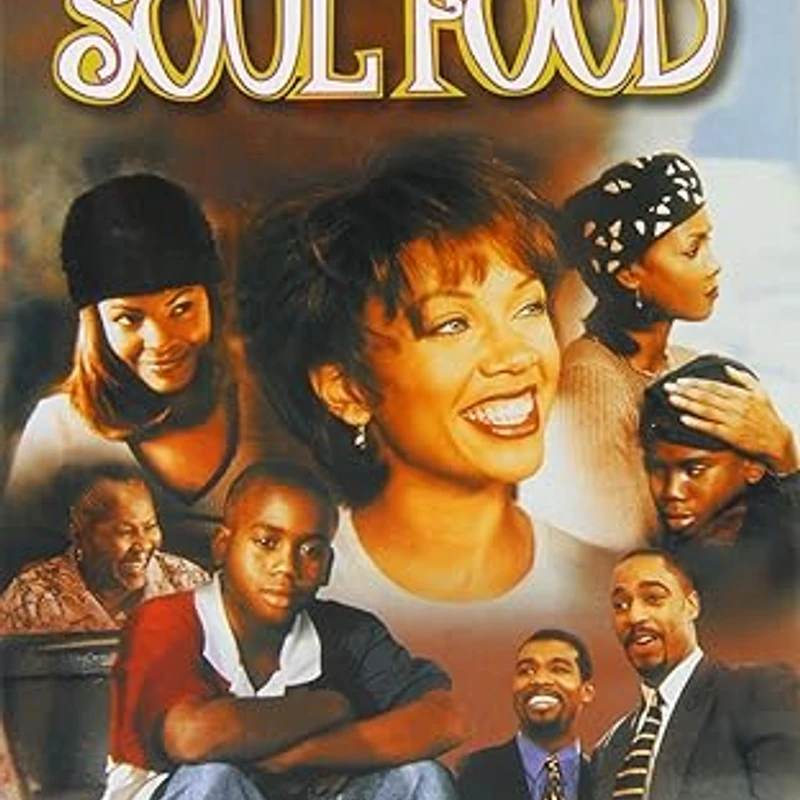
    Remember the warmth and laughter of the 1997 cult classic film ‘Soul Food’? Actor Brandon Hammond, who played the memorable Ahmad, is on a mission to ensure its legacy continues to shine, not just for fans who grew up with it, but for a new generation too. He’s doing this through a special ‘Soul Food Sunday Dinner’ event and an upcoming documentary celebrating the film’s enduring impact.

    A Soulful Reunion and a Look Back

    On November 23rd, Hammond, alongside his on-screen ‘mom’ Vivica A. Fox (Maxine) and co-star Morgan Méchelle Smith (Kelly), reunited for a special screening and Q&A at the Miracle Theater. Hosted in partnership with Cult Classics, 1010 Wine & Events, and R.C. Bonds PR, the evening aimed to recapture the familial spirit of the film and revive the tradition of Sunday dinner.

    Hammond shared that he and Fox, who he affectionately calls ‘mom,’ speak regularly, especially now that she’s an executive producer on the ‘Soul Food’ reunion documentary. “It was amazing. You know, it’s funny because I talk to Vivica pretty regularly,” Hammond told BLACK ENTERPRISE. “So it’s always good to get together with her.”

    The ‘Soul Food’ Documentary: A Labor of Love

    The documentary, which has been in the works for two years, was born from an initial idea for the film’s 25th anniversary reunion in 2022. Hammond and his business partner, Genesis Scott, envisioned a project that would catch up with the entire cast, exploring the film’s profound impact and its lasting significance in Black culture.

    Hammond views the documentary as his “love letter” to the movie that shaped him both personally and professionally. He points out that while beloved ’90s shows like ‘The Fresh Prince of Bel-Air’ and ‘Martin’ have received reunion spotlights, cult-favorite films like ‘Soul Food’ deserve similar recognition. “Soul Food is also right along with those other projects on like legacy IP. And we should celebrate this film,” he declared.

    Cast Support and Personal Journeys

    Vivica A. Fox was instrumental in championing the documentary project early on, even providing initial funding for an interview with the legendary Irma P. Hall (Big Mama). Since then, other cast members, including Nia Long, Vanessa Williams, Mekhi Phifer, and Michael Beach, have joined the project, creating a powerful domino effect of support.

    Coordinating the schedules of these busy, iconic actors has been a significant challenge, but Hammond is determined to bring them all together. Beyond the cast reunion, the documentary will also delve into Hammond’s personal journey, addressing why he stepped away from acting after his breakout role in ‘Soul Food.’ “The documentary is not only a reunion, but I’m also going to be going into my own personal journey, because so many people had questions as to why I stopped acting,” he explained.

    Seeking Support to Finish the Film

    With the film’s 30th anniversary approaching in 2027, Hammond is pushing to complete the documentary. However, he acknowledges the current economic challenges in the entertainment industry and is seeking additional funding from investors and fans to help bring the project to fruition. “We’re about 30%, 40% through the film. But we are looking for support, like investors, fans,” Hammond stated. “People, I know they want it. But you know, this industry is in a weird place right now.”

    Are you excited about the ‘Soul Food’ documentary and reunion? What are your favorite memories from the film? Share your thoughts in the comments below!

  • Soul Food & Crohn’s: A Surprising Gut-Friendly Combo

    When you think of Southern soul food, images of rich, flavorful dishes often come to mind – maybe with a little spice! But if you’re one of the over 700,000 Americans living with Crohn’s disease, the thought of enjoying these beloved meals might seem impossible. The wrong foods can trigger uncomfortable symptoms like abdominal pain, diarrhea, and fatigue. But what if I told you that with a few smart modifications, you could actually enjoy gut-friendly, nutrient-rich soul food?

    Crohn’s Disease and the Role of Diet

    Crohn’s disease is a chronic inflammatory condition of the digestive tract, influenced by genetics, environment, and diet. For many patients, high-fiber, high-fat, and processed foods can worsen symptoms. This is why a ‘low-residue diet’ – one that’s low in fiber and easy to digest – is often recommended. When paired with anti-inflammatory foods, like those rich in omega-3s or curcumin (found in turmeric), it can significantly lower inflammation markers.

    The good news? Embracing African-American culinary traditions doesn’t mean you have to give up soul food entirely. By making a few thoughtful adjustments, you can savor the flavors you love while being kind to your gut.

    Low-Fiber Veggies: Sweet Potatoes & Collards

    Traditional soul food often features vegetables like sweet potatoes and collard greens. While raw or high-fiber versions can be irritating, cooked, low-fiber options are much easier to digest. Sweet potatoes, a staple, are packed with vitamins A and C and become lower in fiber when cooked and peeled.

    To adapt recipes: instead of candied yams (high in sugar, a potential trigger), try mashed sweet potatoes. Boil peeled sweet potatoes until soft, mash with lactose-free yogurt for creaminess, and season with ginger. Ginger’s compounds help reduce gut inflammation, complementing the potatoes’ antioxidants. For a soothing broth, simmer collard greens with low-sodium vegetable stock, strain to reduce fiber, and season with turmeric. Both can be served as sides or light meals. You can even blend leftover collard broth with bananas for a nutrient-packed, low-fiber smoothie.

    Lean Proteins: Swapping Fatty Meats

    Protein is vital for tissue repair and immune function. However, fatty meats like pork, common in soul food, can trigger flare-ups due to their high saturated fat content. Swapping these for lean proteins like baked turkey or chicken is a smart move. These options provide essential amino acids without causing gut irritation.

    Modify recipes by choosing oven-baked turkey wings instead of fried or smoked ones. Marinate with olive oil (known for its anti-inflammatory effects), turmeric, and paprika before baking. For chicken and dumplings, opt for a broth-based sauce using lactose-free yogurt instead of creamy, dairy-based ones. Use lean chicken breasts and small, well-cooked dumplings made from refined flour to minimize fiber and reduce bloating.

    Anti-Inflammatory Spices: Turmeric & Ginger

    While bold spices are characteristic of soul food, some can irritate a sensitive gut. Harsh spices like cayenne might need to be avoided, but milder options like turmeric and ginger are not only well-tolerated but also beneficial. Add turmeric (about 1/4 teaspoon) to broths, rice, or vegetable dishes. Pair it with a pinch of black pepper to boost curcumin absorption for maximum anti-inflammatory benefits.

    Fresh ginger tea, made by steeping sliced ginger in hot water or adding grated ginger to soups, can also reduce nausea and gut inflammation. These spices enhance flavor without relying on salt or sugar, which can also exacerbate Crohn’s symptoms, and work by impacting inflammatory pathways like NF-kB.

    Lactose-Free Yogurt: A Creamy Alternative

    Dairy is a common trigger for Crohn’s sufferers and is often found in dishes like cornbread and macaroni. Lactose-free yogurt offers a creamy, easier-to-digest alternative. Research suggests lactose-free dairy products can reduce bloating and diarrhea in lactose-intolerant patients.

    Try using lactose-free yogurt instead of buttermilk in cornbread batter (use refined cornmeal for low fiber) or in creamy sauces for gravies and casseroles. You can also incorporate it into breakfast with mashed bananas or use it as a base for dips. The probiotics in yogurt can also help improve gut microbiota balance, keeping your digestive tract in order.

    Tips for Adapting and Enjoying

    When making these delicious tweaks, remember a few key principles: start small by modifying one dish at a time (like swapping fried chicken for baked), and keep a food diary to track your personal triggers. Aim for ‘slow and low’ cooking methods for vegetables and proteins to make them easier on your gut. Always avoid high-fat meats, raw greens, and spicy peppers if they are triggers for you.

    If you’re struggling or have specific concerns, consulting a registered dietitian can help personalize recipes and address nutrient deficiencies. Southern soul food, with its rich flavors and comforting traditions, doesn’t have to be off-limits. With a little practice and mindful choices, you can enjoy your favorite meals in a gut-friendly way!

    What are your favorite soul food dishes? How do you adapt them to be gut-friendly? Share your tips and recipes in the comments below!

  • How African Foodways Shaped Global Cuisine

    Travel through the African diaspora, and you’ll discover a delicious tapestry of interconnected culinary traditions. From the familiar flavors of West African jollof rice echoing in New Orleans’ jambalaya to the ubiquitous presence of okra, a staple ingredient that journeyed from Africa to grace dishes across the Americas, the influence of African foodways is undeniable.

    A Transatlantic Culinary Legacy

    The Transatlantic Slave Trade, coupled with migration, resilience, trade, and sheer creativity, has profoundly shaped African foodways. Beyond the diaspora, these culinary practices have become foundational elements in many global cuisines. Frederick Douglass Opie, in his book ‘Hog and Hominy,’ highlights how Black America’s soul food culture is a rich amalgamation of West and Central African influences, representing adaptations made by enslaved people during their fight for freedom.

    Historical accounts reveal that enslaved Africans ingeniously carried seeds from their homeland, like okra, black-eyed peas, and yams, in their hair during the harrowing Middle Passage. Cultivating these crops in small gardens provided not only a connection to their heritage amidst brutal oppression but also a form of quiet resistance and autonomy over their food supply. These ingredients and their associated culinary memories have been vital in preserving identity for generations.

    African Roots in North American Soul Food

    Soul food’s core crops, cooking techniques, and flavor profiles bear a striking resemblance to those found in West and Central Africa. Staples like okra, black-eyed peas, and yams were adapted and combined with Native American crops like corn. Techniques such as frying, smoking, and slow-cooking, common in West African traditions, were used to flavor and tenderize meats. Slow-cooking leafy greens like collard greens with aromatic spices is a distinctively African culinary tradition. In Louisiana, gumbo, famously thickened with okra, is considered by historians to be a variation of a Senegalese stew. Black-eyed peas, a nutritious legume often enjoyed by Black American families during New Year’s celebrations, also originated in West Africa. The Gullah Geechee culture’s red rice in the Low Country is seen as a descendant of West African jollof, sharing a tradition of simmering in a spiced tomato base.

    Across the Caribbean: A Taste of West Africa

    Enslaved Africans brought the leafy green callaloo, with its West African origins, to the Caribbean, where it remains a staple dish with island-specific variations. In Jamaica, callaloo (or ‘bhaji’) is typically sautéed with aromatics and served as a side dish. Trinidad and Tobago boasts callaloo as its national dish, a flavorful soup often made with taro leaves, okra, pumpkin, coconut milk, and spices, traditionally eaten with macaroni pie or rice. Grenada’s callaloo is a creamy, spiced side dish, often blended smooth and served with ingredients like breadfruit or dumplings.

    South American Echoes of African Traditions

    South America, particularly Brazil’s northeast state of Bahia, is a region where African culture and traditions, including culinary ones, are remarkably well-preserved. The Yoruba people from Nigeria introduced acarajé, a deep-fried street food made from black-eyed pea batter and palm oil, which, though often larger, mirrors its Nigerian counterpart. In Suriname, African-inspired cuisine reflects West African and Maroon traditions, featuring key ingredients like peanuts, cassava, plantains, and root vegetables. Dishes like ‘tom-tom,’ a cornmeal dumpling reminiscent of Ghanaian fufu, and ‘bakkeljauwballetjes,’ fritters made from cassava and salted codfish, showcase this rich heritage.

    Global Culinary Contributions

    African food, customs, and traditions have extended far beyond the diaspora. Many global cuisines have incorporated signature African spices, vegetables, peanuts, and cooking rituals. Tunisia’s fiery harissa paste is a staple in Middle Eastern dishes, and couscous, originating from ancient Berber tribes in North Africa, is also widely found throughout the Middle East. These ingredients, now global staples, are a testament to Africa’s long history of cultural exchange through trade, adaptation, the impact of enslavement, and enduring resilience.

    What’s your favorite dish that showcases African culinary influence? Share your culinary discoveries in the comments below!

  • Trick Daddy Opens Second ‘Sunday’s Eatery’ Location

    Rapper Trick Daddy, born Maurice Young, is adding another feather to his cap – or rather, another location to his restaurant empire! His popular eatery, ‘Sunday’s Eatery,’ known for its delicious down-home Southern soul food, has just opened its second spot in Broward County, Florida. This expansion follows the success of his original Miami Gardens location.

    Serving the Community

    What’s particularly noteworthy about this expansion is Trick Daddy’s commitment to his community. Instead of opting for a more affluent area like Wynwood or South Beach, he chose Miami Gardens to ensure his people are served. “We wanted to go to Miami Gardens to show them that we are still for our people,” Young told the Miami Herald, emphasizing his dedication to giving back.

    Sunday’s Eatery lives up to its name by offering comforting Sunday meal recipes every single day of the week. The menu is a celebration of Southern culinary traditions, featuring beloved dishes like fried ribs, baked and fried Cornish hens, collard greens, creamy macaroni and cheese, cornbread, and sweet candied yams.

    A Taste of Home

    Customers have raved about the authentic flavor. One patron, Chronic Chris, described the food as having a “real good, down-home flavor” and being “cooked to perfection.” This authentic taste is exactly what Trick Daddy aims to bring to new neighborhoods with his continued expansion plans.

    Beyond his restaurant ventures, Trick Daddy remains actively involved behind the scenes, even hosting a Facebook cooking show, “Bleep I Got My Pots.” His blend of culinary entrepreneurship and continued presence in the South Florida entertainment scene shows his multifaceted approach to business and artistry. With a warning that “We coming,” Trick Daddy is clearly set on bringing Sunday’s Eatery to even more communities.

    Are you excited about Trick Daddy’s new restaurant location? What’s your favorite soul food dish? Let us know in the comments below!