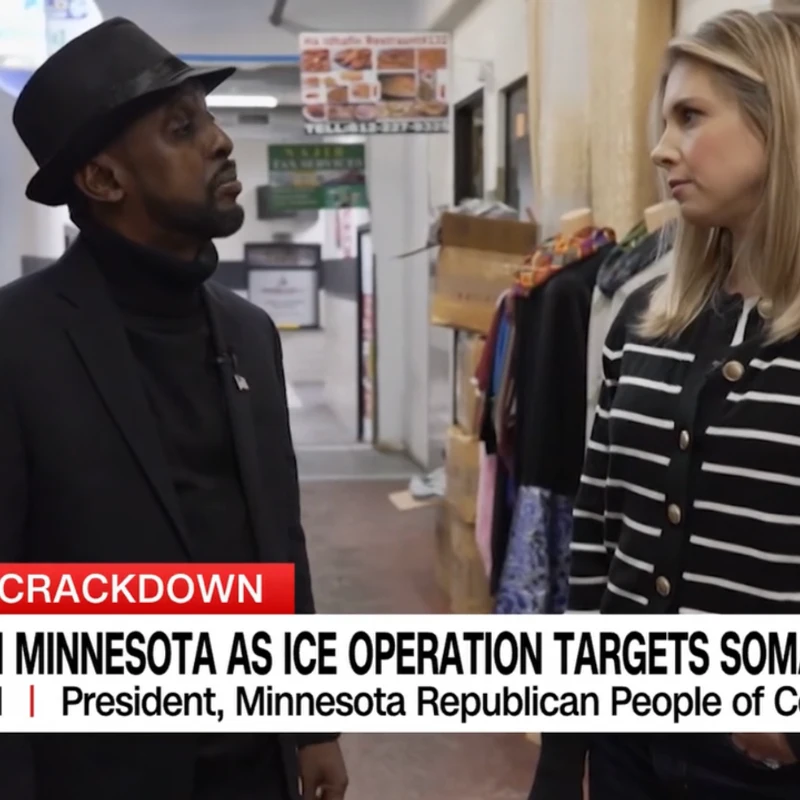
Words can have a powerful impact, and sometimes, they sting even more when they come from someone you’ve supported. That’s the reality for Mohamed Ahmed, a Somali immigrant in Minnesota who voted for President Donald Trump in the 2024 election. He’s now speaking out, deeply hurt and angered by the president’s recent personal attack on his community.
A Personal Rebuttal to ‘Garbage’
During a recent Cabinet meeting at the White House, President Trump reportedly referred to Somalis in Minnesota, including Democratic U.S. Rep. Ilhan Omar, as “garbage.” He went on to say, “We’re going to go the wrong way if we keep taking in garbage into our country.” This statement clearly struck a nerve with Mohamed Ahmed, who holds a leadership position within the Minnesota Republican People of Color.
Ahmed, who has been a Republican for over 25 years, shared his profound disappointment with CNN. “Mr President, we campaigned for you. We have hope in you. We see hope in you. Please differentiate between good, bad and evil,” he pleaded. His most poignant response? “I got five children. My children are not garbage!” It’s a powerful reminder that behind political rhetoric are real people and families.
Condemnation from Leaders and Community
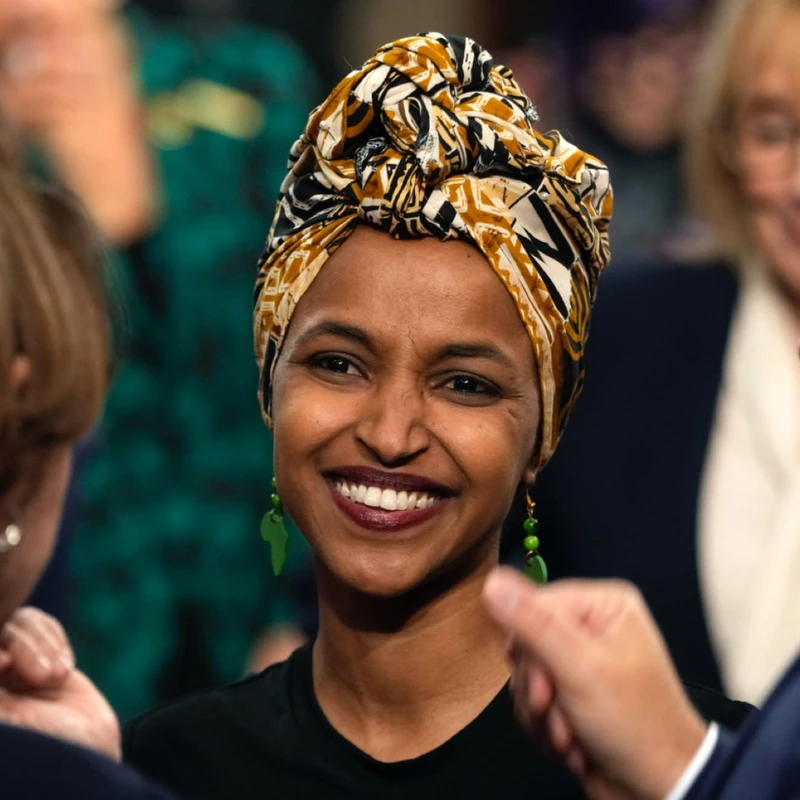
Congresswoman Ilhan Omar, herself a former Somali refugee, didn’t hold back, calling Trump’s remarks “vile.” She suggested the president’s comments were a tactic to deflect from criticisms regarding his handling of the economy and other controversies. Omar believes Trump frequently uses “racism, xenophobia, bigotry, and Islamophobia.”
Minnesota Governor Tim Walz also condemned the president’s language, labeling the “garbage” remarks as “horrific slurs.” He highlighted that the Minnesotans being targeted are doctors, teachers, entrepreneurs, and children, not just abstract figures. Walz argued that Trump resorts to such language when he’s “failing on every front.”
A Call for Empathy and Distinction
Mohamed Ahmed’s heartfelt plea underscores a critical point: the need for leaders to distinguish between individuals and to avoid broad, dehumanizing labels. His experience as a long-time Republican voter who feels betrayed by the president’s words highlights the complex emotions and divisions that such rhetoric can create within communities and political parties.
What are your thoughts on President Trump’s remarks and Mohamed Ahmed’s response? Do you believe political leaders should be held to a higher standard of language? Share your views in the comments below!