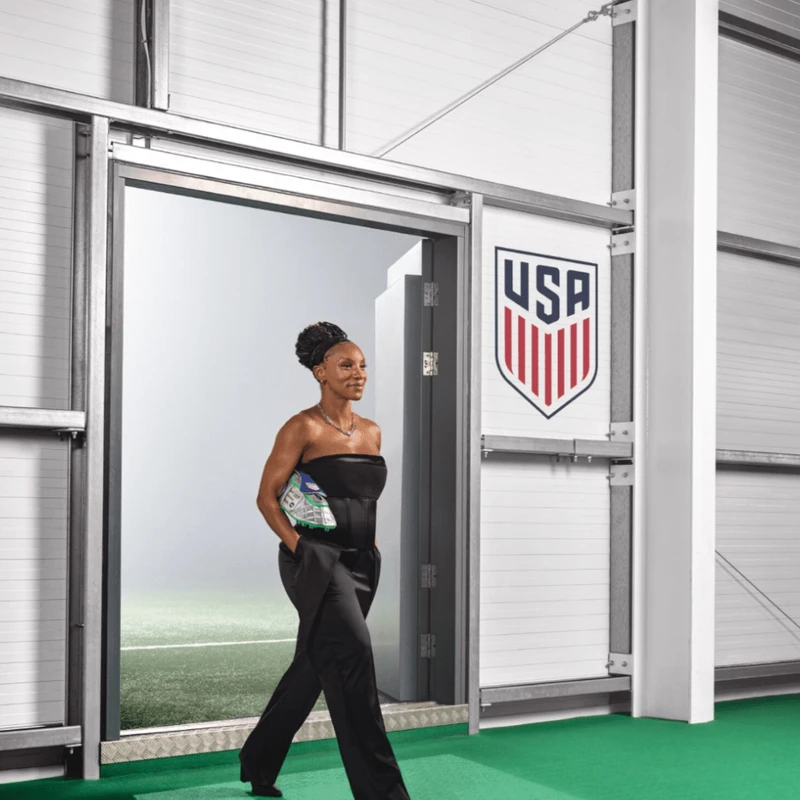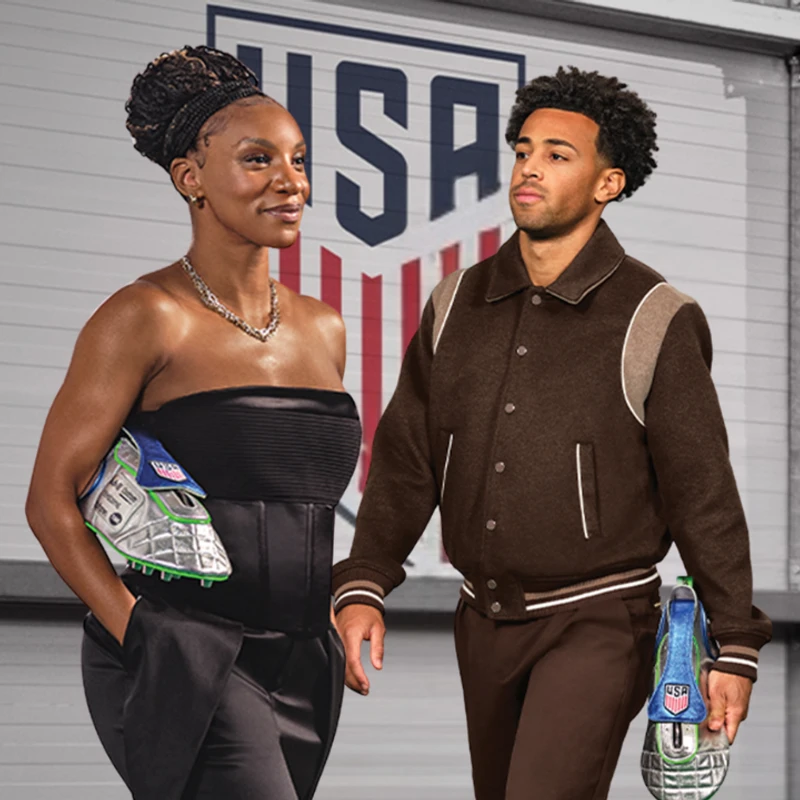
Long before the roar of the crowd and the bright stadium lights, the real work is already underway. For U.S. Soccer stars Tyler Adams and Crystal Dunn, success isn’t just about those game-winning goals; it’s deeply rooted in the routines, relationships, and cultural foundations that keep them grounded. These often-invisible ‘assists’ are the true fuel behind their ability to perform at the highest level.
Balancing Acts and Evolving Definitions of Success
Crystal Dunn, a decorated World Cup champion and Olympic gold medalist, is navigating a new chapter focused on balance. As a mother to a four-year-old son, her definition of an ‘assist’ now includes the discipline of self-care and the intentionality of raising a mixed-race child in a multicultural home. Her New York roots continue to energize her on the field.
Tyler Adams, the dynamic captain of the U.S. Men’s National Team, shares that same New York grit. Raised in Wappingers Falls, Adams credits his mother’s early sacrifices for his journey from the Red Bulls Academy to the English Premier League. He remains deeply connected to his home state, owning the Hudson Valley Hammers and investing in Westchester SC, aiming to create pathways for the next generation of players who look like him.
The ‘For the Assist’ Campaign
Both athletes recently sat down with TheGrio.com to discuss the support systems that truly matter, beyond the highlight reels. This conversation is at the heart of the new ‘For the Assist’ campaign by Haleon, a consumer health company. In partnership with U.S. Soccer, the campaign shines a light on the often-overlooked moments that lead to significant achievements, whether it’s a winning goal or simply navigating a demanding day.
For Adams, these assists extend beyond physical recovery to include family, upbringing, and even setbacks that foster resilience. “Some of them [are] being successful… some of them [are] making an error in a game and having to bounce back from it,” he shared. This perspective shapes his leadership, focusing on connection and understanding, especially for players abroad.
Championing Identity and Community
Adams sees his role as an ‘assist’ for the next generation of Black fans and players, recognizing the game’s potential to uplift underserved communities. Dunn echoes this sentiment, emphasizing the discipline required for self-care to be present for her child and her career. “If I can’t be healthy and strong for myself, I definitely can’t be that for my kid,” she stated.
Both athletes are vocal about the unique pressures faced by Black players, particularly Black women, in sports. Dunn highlights the need to advocate carefully, avoiding unfair labels like ‘aggressive.’ Her career goal is to ‘pass that baton’ and leave the sport better than she found it. She also embraces her identity through personal style, like experimenting with her hair, showcasing herself as a Black woman who happens to play sports.
Adams notes the visible shift in the sport’s demographics, with pre-game ‘tunnel walks’ allowing players to express their authentic selves. This growing visibility and sense of belonging are opening doors for diverse communities to engage with soccer. As the sport expands in the U.S., with major tournaments on the horizon, this moment signifies more than just athletic growth—it’s about visibility, access, and redefining support systems at every level.
What do you think about the unseen ‘assists’ that contribute to success in sports and life? Share your thoughts on Tyler Adams and Crystal Dunn’s perspectives in the comments below!