Tag: SNAP

  • Mike Epps’ Comments Spark Backlash

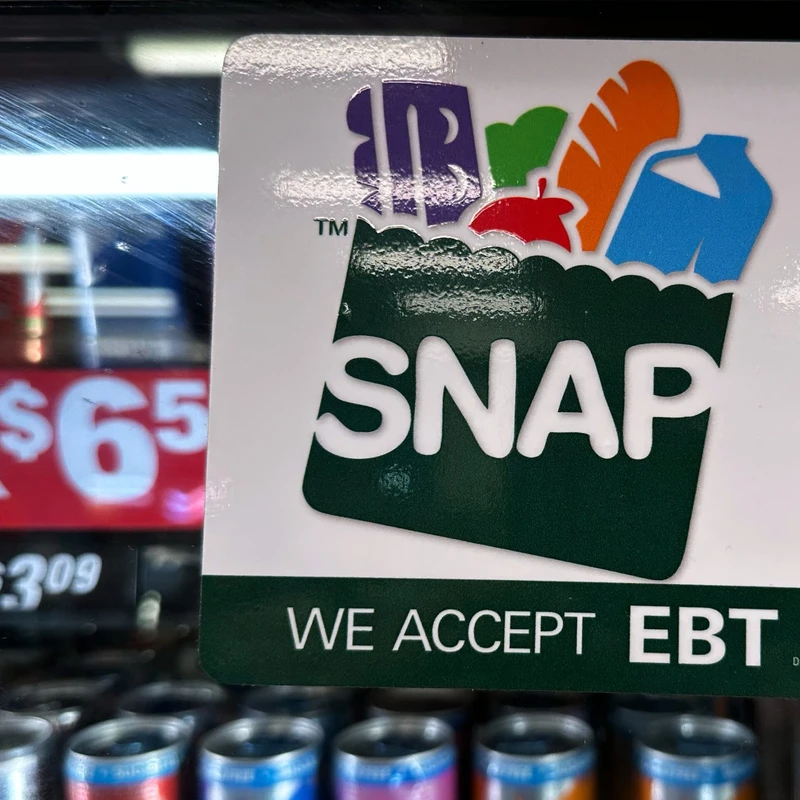
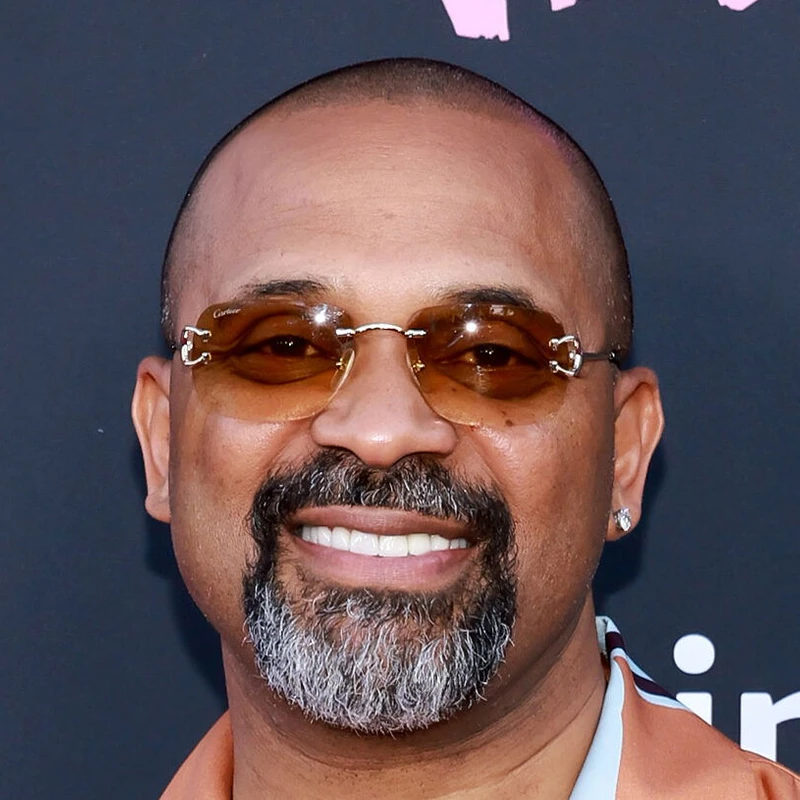
    Comedian Mike Epps recently shared some strong opinions that have stirred up quite a controversy, particularly within the Black community. During an appearance on the podcast “Artist 2 Artist” with rapper Jim Jones, Epps offered his take on Black men returning home after lengthy prison sentences and on the topic of SNAP benefits, sparking immediate backlash.

    Words on Returning Home

    Epps expressed disappointment in the celebration some individuals receive upon returning home after decades in prison. “Young man, there’s no reward for coming home after 30 years. You don’t get no f**king care package, n**ga, you are a failure,” he stated. He urged these individuals to focus on giving back and helping younger generations, suggesting they need to “pay that back forward.”

    These remarks quickly drew sharp reactions online. Many felt Epps was being overly harsh and dismissive of the immense challenges faced by those re-entering society after long incarcerations. The sentiment from some was that celebrating a person’s return home, regardless of the circumstances, is a positive step after a significant portion of their life has been spent behind bars.

    Controversy Over SNAP Benefits

    The comedian’s comments didn’t stop there. In a separate interview on “The Breakfast Club,” Epps suggested that Black people should be cut off from food stamps (SNAP). He argued that relying on these benefits has a detrimental “trickle-down effect,” linking poor dietary choices funded by SNAP to health issues like cancer and even contributing to incarceration.

    He controversially stated, “I’m actually glad they’re cutting some of these n**gas off food stamps because some of us need to not be on food stamps.” This stance was met with criticism, with many pointing out that white individuals constitute a larger percentage of SNAP recipients nationally, and that Epps’ comments could be seen as spreading misinformation or harmful propaganda.

    Community Reactions

    The backlash highlighted a perceived double standard, with some critics noting Epps’ silence on issues of police brutality against Black individuals while being vocal on other matters. Comparisons were drawn to figures like Tyler Perry, who is often recognized for his philanthropic efforts supporting the Black community.

    These comments have ignited a broader conversation about personal responsibility, systemic issues, and the role of public figures in shaping narratives within the Black community. The debate underscores the complex challenges and diverse perspectives that exist on these sensitive topics.

    What are your thoughts on Mike Epps’ recent statements? Do you agree with his perspective, or do you believe he missed the mark? Share your opinions in the comments below!
  • The ‘Welfare Queen’ Myth: Still a Lie, Still Harmful

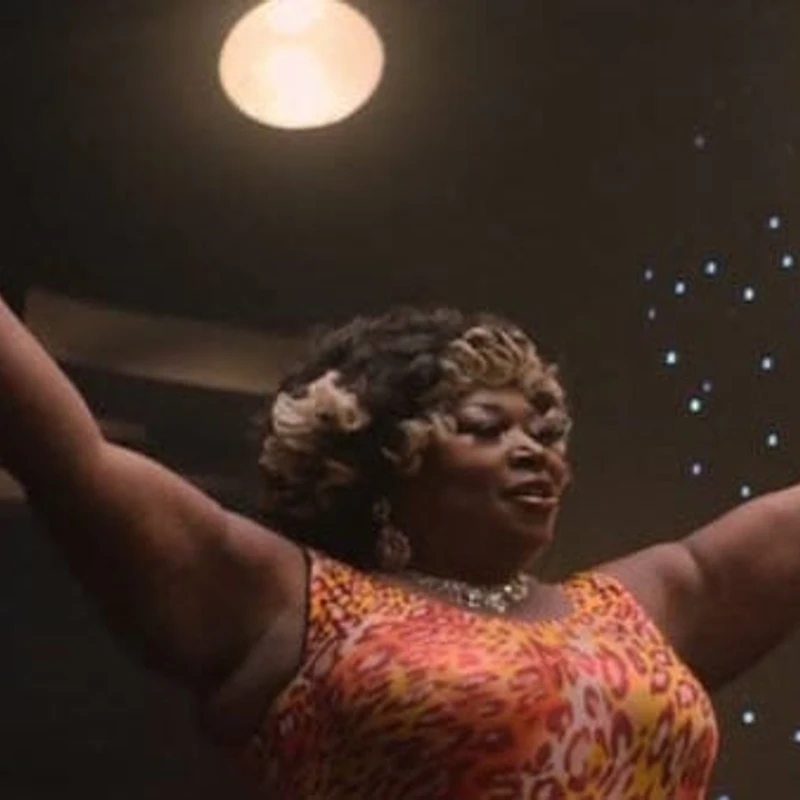
    Remember the character ‘Welfare Queen’ from Netflix’s ‘GLOW’? That larger-than-life, sequined persona was a caricature of fear, designed to represent a Black woman supposedly exploiting the system. But here’s the kicker: this fictional character embodies a deeply ingrained, yet entirely false, stereotype that has resurfaced with alarming intensity amid current debates and panic surrounding food stamp benefits, particularly SNAP.

    The Reagan-Era Roots of a Racist Myth

    The term ‘welfare queen’ gained traction in the 1980s, largely fueled by Reagan-era politics. While its origins are tied to a real woman who identified as white, it was quickly twisted into a racist and sexist caricature. This stereotype painted Black women as lazy, manipulative parasites who were gaming government assistance programs. It’s a narrative built on fearmongering that has persisted for decades.

    This harmful narrative was recently echoed by comedian Mike Epps during an appearance on “The Breakfast Club.” He expressed that he was “glad” food stamp benefits were being cut off, framing it as a necessary wake-up call for some Black individuals. Epps argued that reliance on benefits leads to unhealthy eating habits and negative life outcomes, even suggesting it contributes to incarceration.

    Debunking the Myths: The Truth About SNAP

    Comments like Epps’, despite being framed as tough love, unfortunately reinforce the very myths that have historically demonized those relying on assistance. The reality is that Black people do not make up the majority of SNAP recipients, nor is fraud rampant. According to Pew Research, a significant majority of SNAP recipients are white (61.1%), followed by Hispanic (30%) and Black (28%) individuals. The program, established in the 1960s, has always served a diverse group of low-income families, seniors, and disabled Americans.

    For decades, the largest share of recipients has consistently been white. The ‘welfare queen’ stereotype persists because it has been so effectively used to racialized poverty and justify cutting social safety nets. This misinformation is currently fueling confusion and bad-faith arguments about who “deserves” to eat, especially as government shutdowns disrupt benefits.

    Real-World Consequences of Old Lies

    The impact of these persistent stereotypes is not just theoretical; it shapes real-world policy. Following Epps’ interview, President Donald Trump stated that SNAP recipients would need to prove they “can’t survive without” the assistance. This demonstrates how a decades-old caricature continues to influence critical decisions about social support systems.

    As long as this damaging myth about who relies on assistance and why continues to circulate, the people who need help the most will bear the brunt of its consequences. It’s a stark reminder that challenging these stereotypes is not just about correcting the record, but about ensuring basic human needs are met with dignity and fairness.

    What are your thoughts on the resurgence of the ‘welfare queen’ stereotype? How can we combat these harmful myths? Share your perspective in the comments below!

  • Gov. Moore Slams Trump Admin Over SNAP Funding

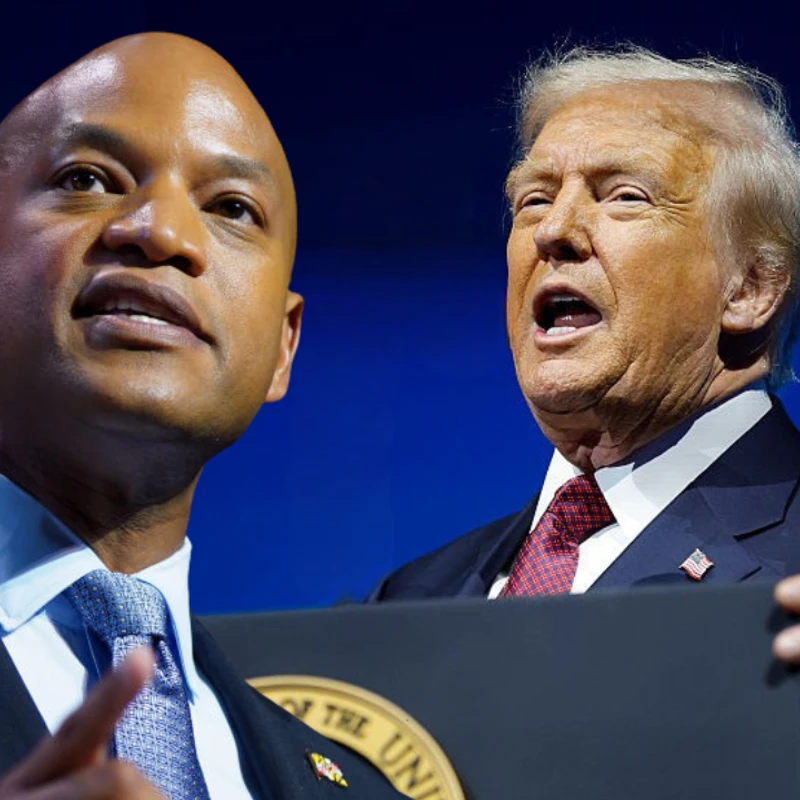
    As the nation grapples with a government shutdown and uncertainty surrounding the Supplemental Nutrition Assistance Program (SNAP), Maryland Governor Wes Moore is speaking out forcefully against the Trump administration’s actions. He’s accusing the federal government of “breaking the law” and using vital food assistance as a political weapon.

    Emergency Funding Amidst Legal Battles

    Despite the ongoing legal fight and the U.S. Department of Agriculture demanding states “undo” full SNAP dispersals, Governor Moore has taken decisive action. Maryland is among the 25 states challenging the Trump administration’s partial funding of SNAP. To ensure residents don’t go hungry, Moore has allocated $62 million in emergency relief funding for nearly 700,000 SNAP recipients in Maryland, using state tax revenues.

    During an interview with theGrio, Moore expressed his frustration with the federal government’s stance. “I’m going to not wait for the President of the United States to stop doing these temper tantrums inside of courtrooms,” he stated, highlighting his commitment to his constituents. He emphasized that the federal government has a legal obligation to fund SNAP.

    Protecting Marylanders from Federal Inaction

    The Supreme Court has allowed the Trump administration to delay full SNAP payments until November 13th, leaving millions of Americans, including 11 million Black Americans, at risk of food insecurity. Governor Moore is determined to prevent this in Maryland. “We’re not going to allow our people to go without food while we’re waiting for federal judges to determine whether or not Donald Trump’s gonna follow the law,” he declared.

    While the full impact of the emergency funding remains to be seen as the legal and political battles continue, Moore has pledged to support Marylanders for as long as possible. “I’ve been clear that we are going to, for as long as we can, ensure that our people are not gonna be left behind by the actions of the federal government…it’s a pledge that I made to the people of the state of Maryland,” he affirmed.

    Moore’s strong stance underscores the critical importance of food assistance programs and the need for consistent, lawful funding. His actions demonstrate a commitment to protecting vulnerable populations from political gridlock and what he describes as the federal government’s refusal to “find religion about why food should not be used as a weapon.”

    What are your thoughts on the ongoing SNAP funding dispute? Do you agree with Governor Moore’s approach? Share your opinions in the comments below!
  • Restaurants Offer Free Meals Amid SNAP Freeze

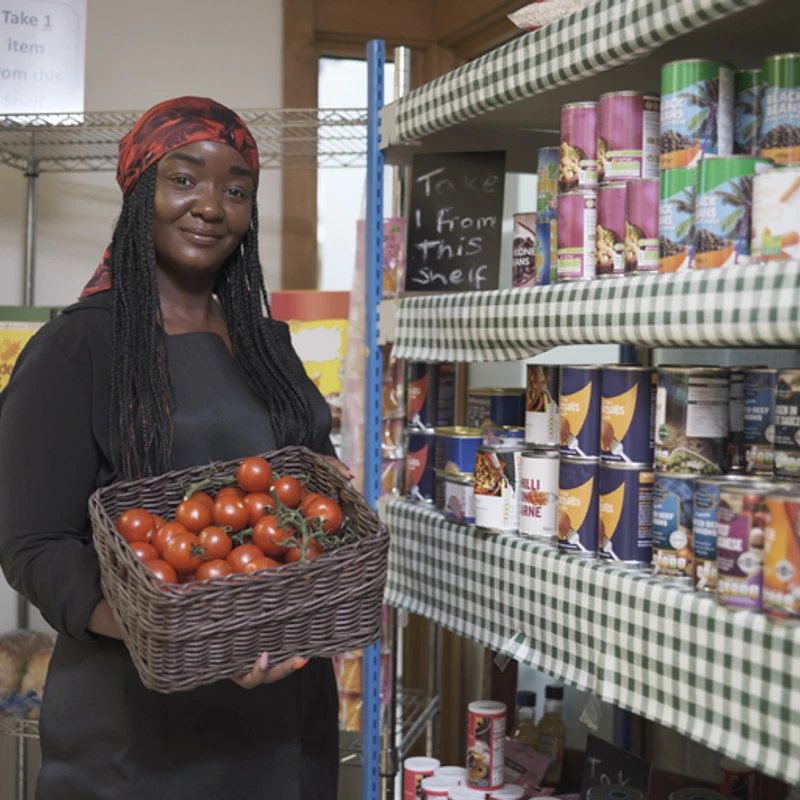
    With the government shutdown causing a freeze on SNAP benefits, many families are facing the daunting prospect of food insecurity. But in times of crisis, communities often show their strength, and across the nation, restaurants and food banks are stepping up to ensure no one goes hungry.

    Restaurants Open Their Doors

    In Palm Beach County, Florida, Rodney Mayo, owner of Subculture Group and Hospitality Helping Hands, has made a remarkable commitment. Starting Monday, all nine of his restaurant locations, along with his s shops, will offer one free meal per day to SNAP recipients. Mayo is launching a website with all the details, emphasizing that while this effort won’t solve the systemic issue, it’s a crucial step in the right direction.

    Mayo highlighted that over 30% of local SNAP recipients are children, and he hopes his initiative inspires other restaurant owners to join the cause. He pointed out that businesses with kitchens are uniquely positioned to produce meals when government aid falters, stating, “We’re the ones that have the kitchens. We’re the ones that know how to produce a lot of meals.”

    Nationwide Efforts to Combat Hunger

    This spirit of generosity isn’t limited to Florida. In California’s Bay Area, the Food Bank of Contra Costa & Solano and the Alameda County Community Food Bank are providing resources like interactive maps and phone support to help residents find nearby food pantries and meal services. Meanwhile, Lovebite Dumplings in Phoenix, Arizona, is offering free meals to SNAP recipients throughout the first week of November.

    The message from businesses like Lovebite Dumplings is clear: “No one should go hungry because of politics.” In San Antonio, Texas, a Papa Murphy’s franchise is providing free Mini Murph pizzas to families impacted by the shutdown, with the owner stating, “The idea of a kid going hungry because a bunch of adults can’t agree is ridiculous.”

    Community Programs and Support

    In Charlotte, North Carolina, local farmers’ markets are implementing special programs, offering SNAP customers $50 in tokens to purchase fresh food. Several Charlotte businesses are also providing free food to furloughed federal workers, including Manolo’s Bakery, Cuzzo’s Cuisine, and Ruby Sunshine.

    New Hampshire has partnered with the New Hampshire Food Bank to expand mobile pantry services, ensuring SNAP participants have access to food for at least five weeks. The state has also secured funding for the WIC program, though further extensions are uncertain if the shutdown continues.

    The Legal Battle Over SNAP Funding

    The situation is compounded by a legal fight over SNAP funding. While the USDA claims its funds have run dry, Democratic governors and attorneys general from nearly 25 states have filed a lawsuit arguing that SNAP is an entitlement program that cannot be legally cut off, even during a shutdown. They are requesting a federal judge to order the USDA to disburse the scheduled November benefits.

    It’s really clear to me that what Congress was trying to do was protect the American people… we’re not going to make everyone drop dead because it’s a political game someplace else. — Judge Indira Talwani

    Judge Indira Talwani has expressed determination to ensure benefits continue, questioning how emergency funds aren’t being utilized for what she deems an emergency. State officials argue that halting benefits would cause “irreparable harm” to families.

    How can you help? You can find your nearest food bank or donation site through Feeding America’s website. What are your thoughts on these community efforts and the ongoing political debate? Share in the comments below!

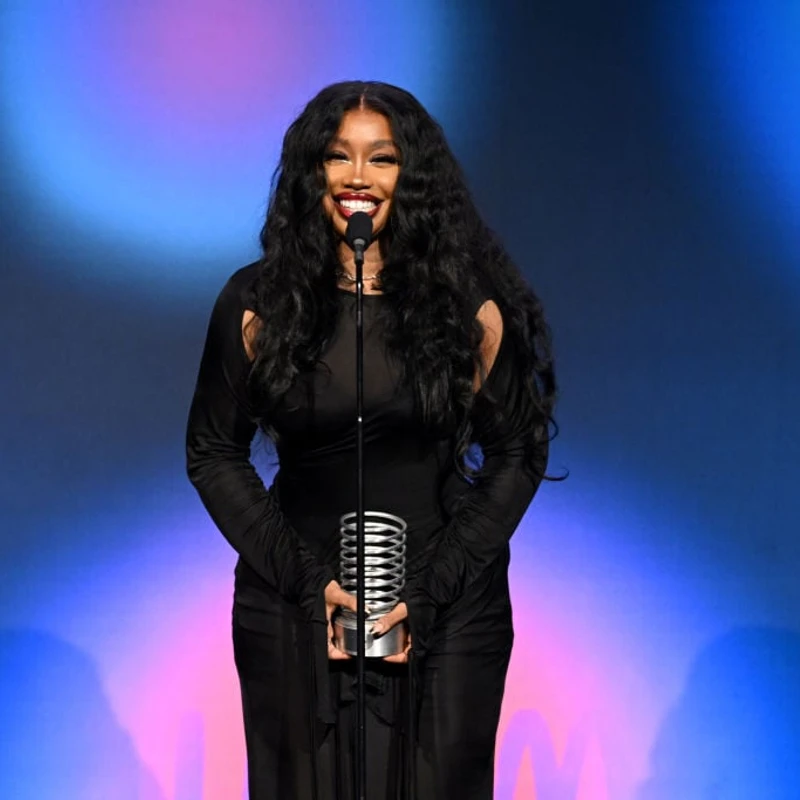
  • SZA Feeds LA: 1400 Free Meals for SNAP Recipients

    In a heartwarming display of community support, Grammy-winning artist SZA is partnering with the popular Los Angeles restaurant Jon and Vinny’s to provide a crucial lifeline for families facing food insecurity. This initiative comes at a critical time, as a government shutdown has impacted SNAP benefits for millions.

    Addressing Food Insecurity in LA

    The collaboration aims to distribute 1,400 free meals to individuals and families who rely on SNAP (Supplemental Nutrition Assistance Program) benefits. This effort is particularly vital for the 600,000 Angelenos and 5.5 million Californians affected by the current SNAP benefit cuts.

    Through SZA’s own charity initiative, NOT Charity, and the culinary expertise of Jon and Vinny’s, takeout meals will be available for a full week, from November 11 to November 18. The meals will be distributed from Jon and Vinny’s Slauson neighborhood location.

    SZA’s Commitment to Nourishing Communities

    SZA expressed her enthusiasm for the partnership on Instagram, writing, “Yall know how much I love Jon and Vinny’s !! But it ain’t no fun if the Homies can’t have none !!” This sentiment highlights her dedication to ensuring her community benefits from her success.

    NOT Charity, the driving force behind this action, is committed to “nourishing underserved communities through holistic solutions.” The artist has previously used proceeds from her cosmetic brand, NOT Beauty, to support various community efforts, including local fridges, mutual aid programs, and direct food support in different cities.

    Navigating SNAP Challenges

    This initiative unfolds against the backdrop of a challenging situation for SNAP recipients. The government shutdown has led to funding constraints, prompting the USDA to consider limiting benefits. California, in particular, has been in a legal battle to block a federal directive that would reduce SNAP funding.

    California Attorney General Rob Bonta has deemed the federal order “unlawful,” and a federal judge recently sided with California’s efforts to block the USDA’s decision. This ongoing legal fight underscores the importance of community-led efforts like SZA’s to bridge the gap during such uncertain times.

    What do you think of SZA’s initiative to provide free meals? Share your thoughts on how we can better support communities facing food insecurity in the comments below!

  • SNAP Benefits Backlash: States Face Demands to Reverse Payments

    Imagine relying on your SNAP benefits to put food on the table, only to have them suddenly put in jeopardy. That’s the reality facing millions of Americans right now as a legal battle over the Supplemental Nutrition Assistance Program (SNAP) heats up. The Trump administration is now demanding that states ‘undo’ full benefit payments that were recently distributed, leading to urgent warnings from state officials about potential chaos.

    A Legal Tug-of-War Over SNAP

    This whole situation is a result of a back-and-forth legal fight concerning the anti-hunger program, which serves about 42 million people. Nonprofits and Democratic attorneys general had successfully sued to ensure the program continued without interruption. Last week, these efforts led to favorable rulings, allowing benefits to be swiftly released to millions across several states.

    However, the U.S. Supreme Court stepped in and issued a stay on those rulings. This means the previous court orders are temporarily halted, and the Trump administration is now telling states to reverse the payments made under those orders. This move has caught many states off guard and has them worried about the immediate consequences.

    States Warn of ‘Catastrophic’ Disruptions

    The U.S. Department of Agriculture (USDA) sent out a directive stating that any payments made last week would now be considered ‘unauthorized.’ Patrick Penn, deputy undersecretary of Agriculture, explicitly told state SNAP directors that they must ‘immediately undo any steps taken to issue full SNAP benefits for November 2025.’

    This demand has sparked serious concerns among state leaders. More than two dozen states have warned of ‘catastrophic operational disruptions’ if the federal government doesn’t reimburse them for the benefits they already distributed. They are concerned about vendors not being paid and the potential for escalating legal battles.

    Wisconsin’s Urgent Situation

    Take Wisconsin, for example. Governor Tony Evers’ administration stated that benefits were loaded onto cards for 700,000 residents. However, after the U.S. Treasury froze reimbursements, the state anticipates running out of funds by Monday. This could leave countless vendors unpaid and create a domino effect of financial hardship.

    Governor Evers expressed his frustration, stating, ‘No.’ He emphasized that Wisconsin acted legally under an active court order to ensure residents had access to essential groceries. He also pointed out that the Trump administration had previously assured states they were working to make funds available, a promise they now seem to have broken.

    What This Means for You

    This ongoing saga highlights the critical role SNAP plays in supporting millions of families. The uncertainty and potential disruptions caused by these administrative demands can create immense stress for those who depend on these benefits for basic necessities. It’s a stark reminder of how policy changes can have a direct and significant impact on everyday lives.

    What are your thoughts on this SNAP benefits situation? Share your experiences and opinions in the comments below!
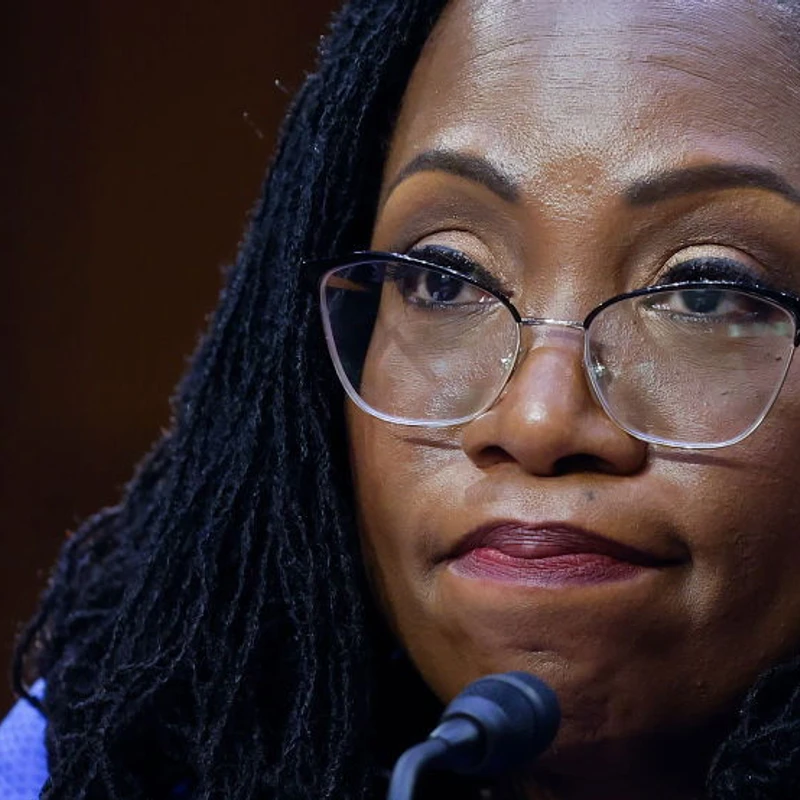
  • Justice Jackson Pauses SNAP Cuts Amid Appeal

    In a significant development for millions of Americans relying on food assistance, Supreme Court Justice Ketanji Brown Jackson has stepped in to pause a lower court ruling that would have restored full Supplemental Nutrition Assistance Program (SNAP) benefits. This temporary halt comes as the Trump administration appeals a decision that mandated the resumption of these crucial disbursements.

    A Temporary Reprieve for SNAP Recipients

    Justice Jackson’s order directs the 1st U.S. Circuit Court of Appeals to expedite its review of the administration’s request to block a previous court order. As the liberal justice overseeing emergency appeals for this circuit, her involvement ensures the case moves forward swiftly. Experts suggest this move could lead to a faster resolution than if the matter proceeded directly to the Supreme Court.

    The controversy centers around a federal judge’s October 31st order, which required the administration to tap into reserve funds to cover the estimated $8-9 billion cost of full SNAP benefits. While $3 billion in emergency funding was already earmarked for such necessities, the Trump administration argued this amount was insufficient to meet the full financial obligation.

    The Financial Tightrope Walk

    Instead of finding additional funds, the federal government proposed redirecting money from U.S. Child Nutrition Programs, which fund school lunches nationwide. This proposal sparked strong opposition from plaintiffs in the case, including various coalitions of municipalities and nonprofits. They argued that delaying or partially paying SNAP benefits would cause ‘irreparable harm,’ particularly to vulnerable populations like children and the elderly.

    Before this pause, USDA contingency funding had only covered about 65 percent of typical monthly SNAP benefits. The program currently serves approximately 42 million Americans, many of whom are no longer receiving their full supplement due to the ongoing federal shutdown and funding disputes. The Justice Department contends that diverting funds from child nutrition programs to cover SNAP would be a violation of congressional spending laws, essentially ‘starv[ing] Peter to feed Paul.’

    The federal government is directing states to lower benefit amounts as opposed to finding additional funding. — Original Article Context

    Justice Jackson’s stay order effectively halts any immediate disbursement of funds until the appeals court can thoroughly consider the administration’s arguments. This decision provides a crucial, albeit temporary, period of stability for millions who depend on these benefits.

    What are your thoughts on Justice Jackson’s decision to pause SNAP benefit cuts? How do you think this situation will be resolved? Share your views in the comments below!

  • Tyler Perry Donates $1.4M to Aid Families Facing SNAP Cuts

    In a powerful display of generosity, filmmaker and philanthropist Tyler Perry is stepping in to help millions of Americans who are at risk of losing vital food assistance. With the ongoing federal shutdown threatening the Supplemental Nutrition Assistance Program (SNAP), Perry has donated nearly $1.4 million to organizations working on the front lines to feed struggling families.

    A Lifeline for Families in Need

    The U.S. Department of Agriculture (USDA) issued a stark warning: without congressional action, SNAP funding could run out in November. This program is a critical lifeline for approximately 42 million Americans, providing essential support for purchasing nutritious meals. The potential loss of these benefits could lead to widespread hunger, especially for vulnerable populations like seniors, children, and newborns who rely on it for formula.

    Perry’s significant donation is being distributed to several key organizations, including the Atlanta Community Food Bank, Baby2Baby, Meals on Wheels Atlanta, Caring for Others, All for Lunch, the Ron Clark Academy, and Goodr. These groups play a crucial role in ensuring that families have access to food during this uncertain time.

    Empathy Born from Experience

    The 56-year-old filmmaker, who has openly shared his own past struggles with homelessness and poverty, called the situation “heartbreaking.” He emphasized that compassion should transcend politics, stating, “Compassion is not political, it’s humanity, and we seem to be missing both right now.” A source close to Perry revealed that his deep empathy stems from his personal experiences, noting that “Tyler knows firsthand what it feels like to be hungry and homeless.”

    Perry’s commitment to helping those in need is a testament to his character. Despite his immense success, he remains deeply connected to the struggles of others and feels compelled to act when he witnesses injustice. His devastation over the potential impact on so many people underscores the urgency of the situation.

    A Wider Call to Action

    This federal shutdown, now the longest in U.S. history, has far-reaching consequences. Other public figures are also using their influence to address the crisis. Jimmy Kimmel announced a food bank drive for the Los Angeles Food Bank, and comedian Wanda Sykes has highlighted the particular impact on single mothers. These efforts, alongside Perry’s substantial donation, aim to provide immediate relief and draw attention to the critical need for sustained food assistance.

    What are your thoughts on Tyler Perry’s generous donation and the ongoing SNAP funding crisis? How can we better support families facing food insecurity? Share your views in the comments below!

  • Trump Defends SNAP Cuts, Cites Work Ethic Concerns

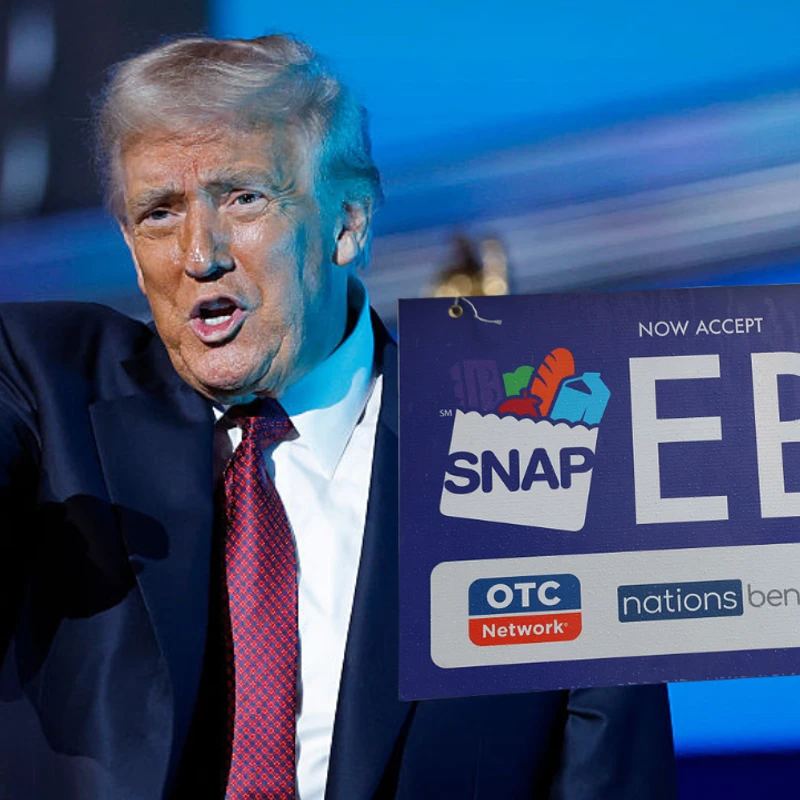
    Amidst the ongoing government shutdown, a contentious battle is brewing over the future of SNAP (Supplemental Nutrition Assistance Program) benefits. President Trump is defending his administration’s decision to appeal a federal judge’s order that would have ensured full November payments for over 42 million Americans, suggesting the program might be too lenient.

    Defending Partial Payments Amidst Shutdown

    Speaking to reporters, Trump stated, ‘We have to remain liquid. We can’t give everything away based on a number.’ He argued that the country needs to maintain financial flexibility for potential emergencies like ‘catastrophes, wars, could be anything.’ This stance comes as the Trump administration formally asked an appeals court to halt a ruling that compelled the U.S. Department of Agriculture to find additional funds for full SNAP payments.

    The judge who issued the original order, John McConnell, was appointed by former President Barack Obama. The administration’s appeal highlights a significant disagreement over the allocation of resources during a prolonged government shutdown, now in its 37th day.

    Concerns About Program Abuse and Work Ethic

    Trump suggested that SNAP costs were lower during his first term compared to the current administration, implying that the Biden White House has expanded the program to those who don’t truly need it, including individuals who are able-bodied but choose not to work. ‘Gave it to anybody that would ask,’ Trump claimed, adding, ‘This wasn’t meant for that. It was meant for people that had real problems.’

    He specifically voiced concern about individuals who might opt to ‘collect this money’ instead of seeking employment. However, data from the Center on Budget and Policy Priorities indicates that a vast majority of SNAP households with children and working-age adults include at least one employed family member, often in low-wage jobs that necessitate federal assistance to make ends meet.

    The Impact on Vulnerable Communities

    The ongoing legal battle over SNAP benefits occurs against the backdrop of a lengthy government shutdown. Among the 42 million Americans receiving SNAP, 11 million are Black Americans, highlighting the disproportionate impact such funding disputes can have on minority communities. Democrats have criticized the administration’s approach, linking it to a lack of empathy and systemic issues.

    Poverty and struggle are not moral failings. They are not character flaws. The flaws are that we have systems that are broken and lawmakers that do not see themselves in their neighbors. — U.S. Rep. Ayanna Pressley, D-Mass.

    U.S. Rep. Ayanna Pressley voiced strong opposition, stating that struggle does not discriminate and that individuals are often just one life event away from hardship. She emphasized that poverty is not a moral failing but a result of broken systems and a lack of empathy among lawmakers.

    What are your thoughts on President Trump’s comments regarding SNAP benefits and work ethic? Do you believe the program is being misused? Share your perspective in the comments below!

  • SNAP Benefits Reduced Amid Government Shutdown

    The ongoing government shutdown is creating significant hardship for millions of Americans, and the impact is hitting home for SNAP recipients. This November, families relying on the Supplemental Nutrition Assistance Program can expect a drastic reduction in their benefits, leaving many worried about how they’ll afford groceries.

    Half the Benefits, Double the Worry

    The Trump administration announced this week that SNAP would only receive partial funding due to the shutdown. According to the U.S. Department of Agriculture, recipients will likely receive only about 50% of their typical monthly allotment. This decision comes after court orders mandated the use of emergency funds, but the allocated $4.65 billion isn’t enough to cover the full cost of benefits, which would require an additional $4 billion.

    This means significant changes to maximum benefit amounts. For instance, a household of four that normally receives $994 per month might only see $497. Similarly, a larger family of six, typically getting $1,421, could be left with just $720. It’s important to note that not everyone will receive the maximum reduced amount, as individual allotments depend on factors like income, assets, and household size.

    Political Blame Game Amidst Hardship

    Democrats and various advocacy groups are fiercely criticizing the Trump administration and Republicans, blaming the shutdown for the potential hunger faced by millions. LaTosha Brown, co-founder of Black Voters Matter, highlighted the precarious situation, stating, “42 million people are really in the balance of not knowing whether they’re going to have food on their table in the month of Thanksgiving…that’s pretty significant.”

    The political standoff centers on Democrats demanding the restoration of healthcare subsidies under Obamacare, which they argue are crucial to prevent premium hikes in 2026. Meanwhile, President Trump and Republicans have pointed fingers at Democrats for the shutdown’s continuation. Confusion arose when President Trump initially announced no SNAP benefits would be issued, though the White House later clarified that payments would be made after the partial funding is disbursed.

    Congressional Black Caucus Condemns Action

    The Congressional Black Caucus has strongly condemned the administration’s handling of the situation. They argue that the administration has prioritized other spending, such as $40 billion for Argentina and funds for White House renovations, while allowing millions of Americans, including children and seniors, to face food insecurity. The caucus emphasized that this “chaos” could have been avoided if the administration had followed the law and prioritized its citizens.

    The message from the caucus is clear: “There can be no further delay or confusion about the Administration’s compliance in releasing full funding for SNAP. Enough is enough.” Families across the country are left in limbo, anxiously awaiting their next meal amidst this political turmoil.

    How is the government shutdown impacting you or your community? Share your experiences in the comments below.