Tag: Smithsonian

  • Ebony Power 100 Gala: Stars Shine Bright!

    The stars aligned Tuesday night at the annual EBONY Power 100 gala, celebrating the incredible achievements of Black Hollywood’s finest. Hosted by the hilarious Emmy-nominated Robin Thede at the iconic Beverly Hilton Hotel, the star-studded event was a dazzling display of talent, style, and inspiration.

    Honoring Trailblazers and Icons

    This year’s gala was a powerful testament to Black excellence, honoring individuals who are shaping culture and history. Tracee Ellis Ross received the well-deserved Pathbreaker of the Year award, while the legendary Iman was celebrated as Icon of the Year. Their contributions continue to inspire generations.

    The night also recognized other incredible talents. Grammy Award-winning artists Lucky Daye and Ari Lennox delivered show-stopping performances that had the audience on their feet. Teyana Taylor was honored as Entertainer of the Year, and Shaquille O’Neal took home the award for Entrepreneur of the Year. The 14th Secretary of the Smithsonian, Lonnie G. Bunch III, was recognized with the Humanitarian of the Year award.

    A Celebration of Enduring Legacy

    The EBONY Power 100 Gala isn’t just about celebrating current achievements; it’s about honoring the enduring legacy of Black excellence. EBONY continues to be a vital platform for amplifying voices, spotlighting groundbreaking accomplishments, and inspiring the next wave of pioneers and powerhouses.

    Red Carpet Standouts

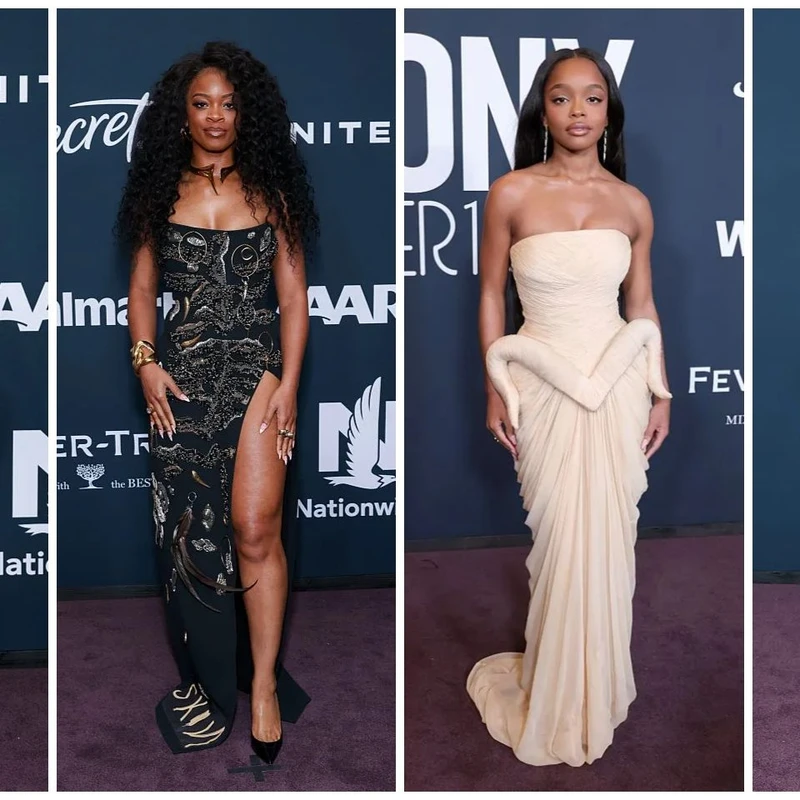
    The fashion at the gala was as impressive as the honorees! From Marsai Martin’s youthful elegance to Meagan Good’s show-stopping presence alongside Jonathan Majors, the red carpet was a parade of style. Gia Peppers, Shannon Thornton, Omarion, Mario, Jackie Asamoah, Ari Lennox, Adrian Holmes, Loren Lorosa, Robin Thede, Salli Richardson-Whitfield, and Jill Marie Jones all brought their A-game.

    It was a night filled with glamour, recognition, and a powerful sense of community, reminding everyone of the immense talent and influence within the Black creative and professional landscape. Olandria Carthen was also celebrated as the People’s Choice winner, showing the power of audience engagement.

    Who was your best-dressed star at the EBONY Power 100 Gala? Let us know in the comments below!
  • Trump Targets Smithsonian Over ‘Woke’ History

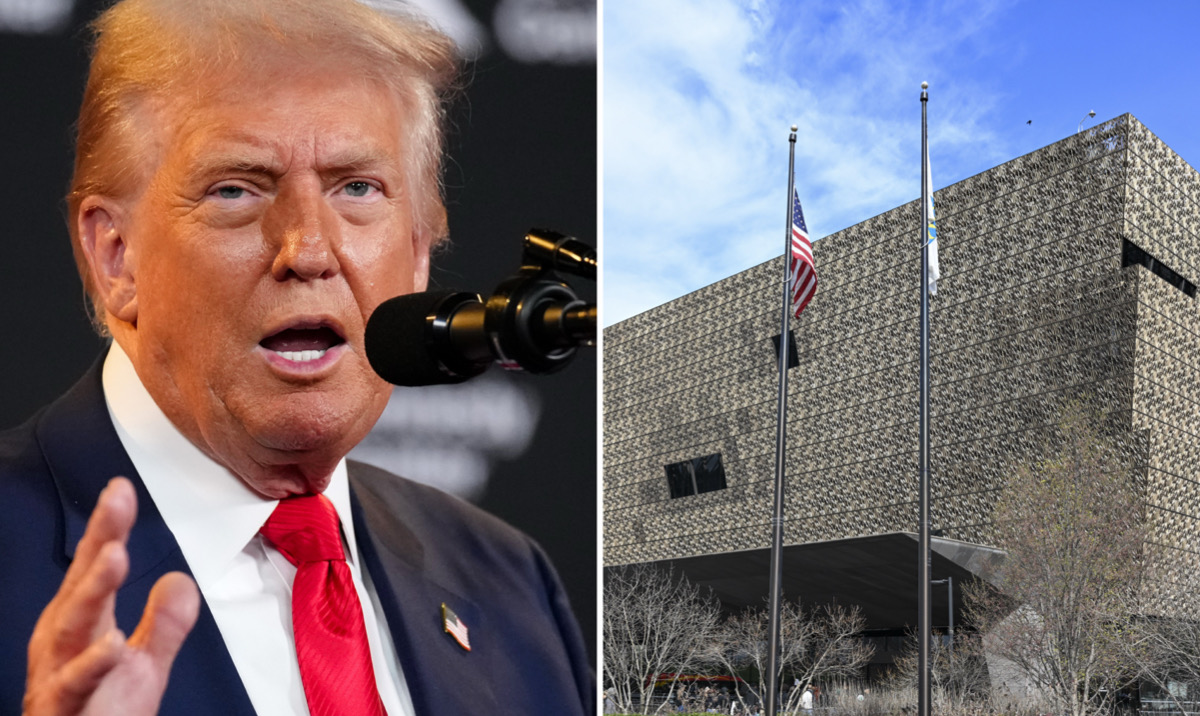
    Donald Trump has once again waded into the cultural wars, this time setting his sights on the Smithsonian museums. In a recent Truth Social post, the former president declared the museums “out of control” and criticized their perceived overemphasis on slavery and other negative elements of American history, stating they are a “segment of ‘WOKE.’” He has reportedly ordered his attorneys to conduct a thorough review.

    Critique of Historical Narratives

    Trump’s statement expressed frustration that the museums, in his view, focus excessively on “how horrible our Country is, how bad Slavery was, and how unaccomplished the downtrodden have been.” He contrasted this with a desire for more content celebrating the nation’s successes and future potential. “This Country cannot be WOKE, because WOKE IS BROKE,” Trump wrote, asserting that the focus should be on America being the “‘HOTTEST’ Country in the World.”

    This criticism aligns with Trump’s broader pattern of targeting institutions he labels as “woke.” His administration has previously focused on schools and universities, advocating for a curriculum that emphasizes national pride and downplays historical injustices. The call for a review of the Smithsonian’s exhibits suggests a desire to reshape how American history is presented.

    The Importance of Comprehensive History

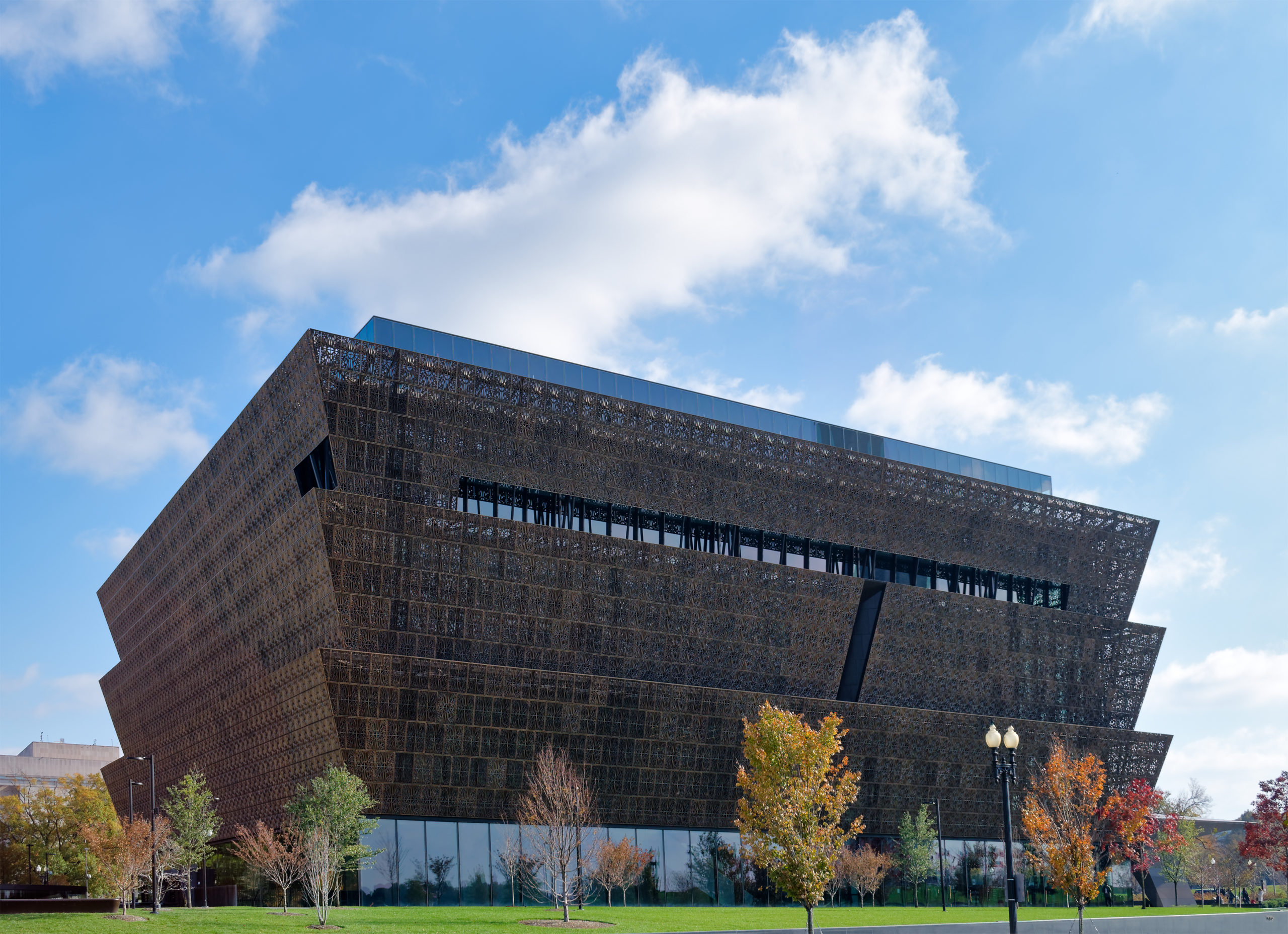
    The Smithsonian Institution, comprising 21 museums, galleries, and the National Zoo, holds over 155 million artifacts that document the entirety of the American experience. Institutions like the National Museum of African American History and Culture play a crucial role in understanding how slavery, segregation, and systemic racism have shaped the nation. These exhibits not only highlight historical pain but also celebrate resilience, culture, and achievement.

    Critics argue that attempting to remove or downplay narratives about slavery and racial injustice from these historical accounts is not about balancing the narrative but about revisionism. Such actions risk presenting a sanitized version of history, potentially leaving future generations with an incomplete understanding of the country’s past and the progress made.

    By attacking the way museums tell history, Trump risks erasing critical historical context in favor of a more palatable, feel-good narrative. This approach could lead to a future where history is shaped by political agendas rather than factual accuracy, potentially making the nation appear fearful of its own truth.

    What are your thoughts on Donald Trump’s comments about the Smithsonian museums? Do you believe museums should focus more on national successes, or is it essential to confront difficult historical truths? Share your opinions in the comments below!

  • Abby Phillip Confronts Jillian Michaels on Slavery Comments

    A recent segment on CNN’s “NewsNight with Abby Phillip” turned heated when fitness personality Jillian Michaels weighed in on discussions about cultural identity and museum exhibits. Michaels expressed frustration with what she perceived as a biased portrayal of history, particularly concerning race and slavery.

    Michaels Criticizes Smithsonian Exhibits

    Michaels specifically targeted exhibits at the National Museum of American History, claiming they unfairly blamed white people for historical injustices like imperialism and racism. She argued that museums tend to “tie imperialism and racism and slavery to just one race,” which she felt was inaccurate.

    When host Abby Phillip attempted to steer the conversation back to the specific exhibits, Michaels retorted, “Of course we don’t, because then you’re going to lose the argument, and everything is racialized just like you’re trying to do to me now!” Phillip, taken aback, reminded Michaels that she herself had brought up slavery.

    Downplaying the Prevalence of Slavery

    The discussion intensified when Michaels attempted to minimize the significance of slavery in American history. She stated, “Only less than 2 percent of white Americans owned slaves!” This comment drew immediate pushback from Phillip and other panelists, who pointed out that white supremacy was the root cause of slavery and its lingering effects.

    Michaels continued to argue that the framing of historical events often places blame disproportionately on white people, suggesting that the extent to which Black life in America is tied to slavery, and the implication of white supremacy in broader struggles for rights, might be overstated.

    A Divisive Rhetoric

    Michaels’ attempt to downplay slavery’s impact and its connection to white America has been widely criticized as divisive rhetoric. While she later tried to clarify her stance on social media, her initial comments on a national platform sparked significant debate about how America confronts its history and the role of race in shaping national narratives.

    What are your thoughts on Jillian Michaels’ comments about slavery and historical exhibits? Share your perspective in the comments below!

  • White House Orders Smithsonian to ‘Rewrite History’

    As the nation gears up for its 250th anniversary in 2026, the Trump administration is taking a proactive approach to shaping the historical narrative. A directive has been issued for a comprehensive review of all Smithsonian museums, their exhibits, and operations, with the explicit goal of ensuring they align with the administration’s vision of American history and promote “American exceptionalism.”

    A Mandate for ‘Content Corrections’

    A letter sent to Smithsonian Secretary Lonnie Bunch outlines a demand for a thorough assessment of everything from online content and exhibit planning to curatorial processes, artist grants, and even the specific language used in museum displays. This review encompasses all 21 Smithsonian museums, 14 research centers, and the National Zoo.

    Eight key museums, including the National Museum of American History and the National Museum of African American History and Culture, have been given just 30 days to provide detailed information on their current and upcoming exhibits. Following this, the administration expects “content corrections” to commence within 120 days. The aim is to replace what the administration deems “divisive or ideologically driven” narratives with language described as “unifying and historically accurate.”

    Critics Raise Concerns Over ‘Rewriting History’

    The directive stems from an executive order signed by President Trump on March 27, which called for the removal of “improper ideology” and the restoration of “truth and sanity” in American history presentations. The White House asserts that the goal is to emphasize the nation’s “unity, progress, and enduring values” as it approaches its semiquincentennial.

    However, critics are already voicing concerns, questioning whether this initiative is genuinely about preserving history or rather about rewriting it to fit a particular political agenda. The review also includes plans for “on-site observational visits,” with the scope set to expand to other Smithsonian institutions in a subsequent phase.

    What are your thoughts on the White House’s directive to the Smithsonian? Do you believe this is about promoting American exceptionalism or rewriting history? Share your perspective in the comments below!