Tag: Skin Care

  • 7 Lightweight Moisturizers for Spring Skin

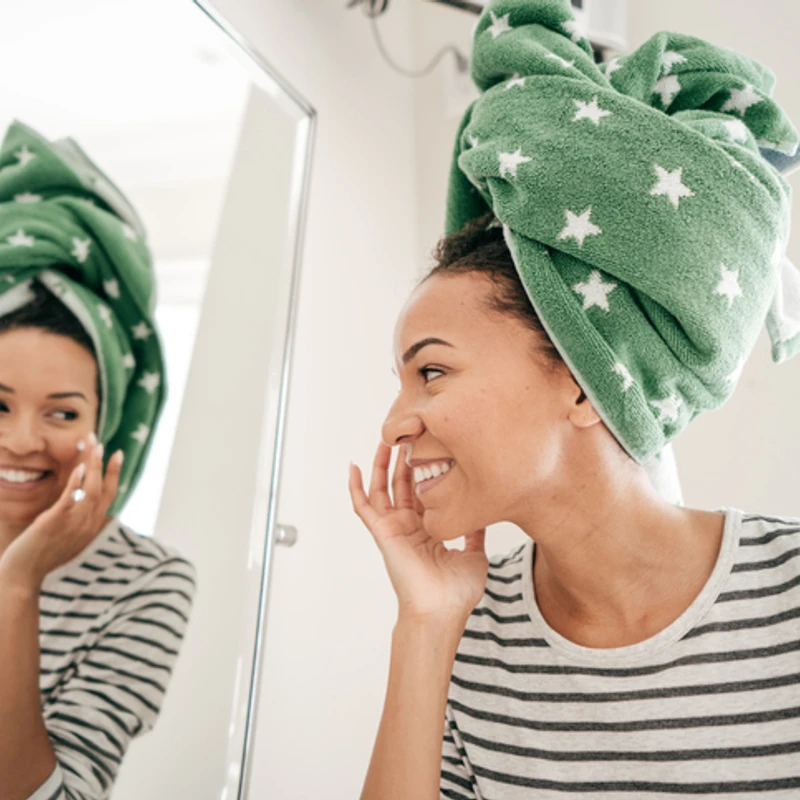
    Say goodbye to winter’s heavy creams and hello to lighter hydration! As the weather warms up, it’s time to refresh your skincare routine with moisturizers that hydrate without feeling heavy or causing breakouts. Finding the right balance is key to keeping your skin happy and healthy all season long.

    Why Lightweight Moisturizers Matter

    While rich moisturizers are fantastic for protecting your skin barrier in colder months, they can feel overwhelming when temperatures rise. Lightweight, gel- or water-based formulas provide essential moisture without clogging pores or leaving your skin feeling greasy. This is crucial for maintaining a balanced complexion, especially if you have oily or combination skin.

    The best lightweight moisturizers often combine emollients (which smooth skin) and occlusives (which seal in moisture) to offer effective hydration without the heavy feel. Whether you’re looking for a K-beauty gem, a multitasking sunscreen-moisturizer hybrid, or a formula specifically for oily skin, there’s a perfect option out there.

    Our Top 7 Lightweight Moisturizer Picks

    1. **Origins Youthtopia Peptide Plumping Apple Cream:** This cult favorite plumps skin with hydration and targets early signs of aging, absorbing quickly without feeling heavy.
    2. **Dr. Althea 147 Barrier Cream:** Despite its hyaluronic acid content, this non-greasy cream strengthens the skin barrier and delivers lasting hydration.
    3. **CAY SKIN Isle Glow Face Sunscreen Moisturizer SPF 45:** A brilliant hybrid that hydrates, nourishes, and protects with SPF, leaving a subtle glow.
    4. **La Roche-Posay Toleriane Double Repair Matte Face Moisturizer:** Perfect for oily skin, this gel-cream hydrates without shine and improves skin texture.
    5. **SKINMEDICA HA⁵® Hydra Collagen Water Burst Moisturizer:** A splurge, but this moisturizer locks in moisture for dewy, bouncy skin with advanced hydration technology.
    6. **OLIVIAUMMA Pudding Calming Everyday Cream:** This K-beauty staple soothes irritation, hydrates, and strengthens the skin barrier with ceramides and centella asiatica.
    7. **Sweet July Castaway Cream Daily Moisturizer:** Ayesha Curry’s favorite, this moisturizer combines shea butter and niacinamide for hydration, antioxidant protection, and firming benefits.

    These selections offer a range of benefits, from anti-aging and barrier repair to sun protection and oil control. They prove that you don’t need a heavy formula to achieve well-hydrated, healthy-looking skin.

    Which of these lightweight moisturizers are you adding to your collection? Let us know your favorite hydrating spring skincare essentials in the comments below!

  • Your Ultimate Skincare Routine for Glowing Skin in 2026

    Achieving radiant, glowing skin doesn’t require an overly complicated or expensive routine. The key lies in consistency and focusing on the fundamentals: cleansing, treating, moisturizing, and protecting. Experts emphasize that a straightforward, consistent approach yields better long-term results than rotating numerous products.

    The Foundation: Cleansing and Serums

    Cleansing is the crucial first step, ensuring that skin is free from residue, sunscreen, and buildup, allowing subsequent products to penetrate effectively. A pH-balanced cleanser suitable for your skin type is recommended to remove impurities without stripping essential moisture. Serums are where targeted treatment happens; using one or two serums, applied from thinnest to thickest, can address specific skin concerns without overwhelming your routine.

    Ingredients like Vitamin C are highly recommended by dermatologists for boosting radiance. Vitamin C helps neutralize free radical damage, fade hyperpigmentation, and brighten skin tone without harshness. Hyaluronic acid is essential for hydration, drawing moisture into the skin to maintain a plump, healthy appearance that contributes to a natural glow.

    Non-Negotiables: Moisturizer and SPF

    Moisturizer plays a vital role in sealing in treatments, while SPF protects the skin from UV damage, which can cause uneven tone and premature aging. The Mayo Clinic recommends using a broad-spectrum SPF of 30 daily, emphasizing it as a core step, not an optional one, even on cloudy days.

    A skincare routine for glowing skin is one that is sustainable. Consistency with a few deliberate steps performed morning and night is more effective than an elaborate routine done sporadically. The cumulative effect of these actions over weeks leads to truly radiant skin.

    Natural Glow and Barrier Health

    Achieving a natural glow involves addressing underlying factors like hydration, sleep quality, and diet, which significantly impact skin appearance. No serum can fully compensate for chronic dehydration or poor circulation. Protecting your skin barrier is paramount; disrupting it through over-exfoliation, harsh cleansers, or incompatible active ingredients can hinder your glow.

    Incorporating facial massage, even for just two minutes while applying moisturizer, can improve circulation and reduce puffiness, contributing to a healthier appearance over time. Simple, low-effort practices like these consistently yield noticeable improvements.

    What are your favorite skincare tips for achieving glowing skin? How do you prioritize consistency in your routine? Share your insights in the comments below!

  • 5 Ways to Prevent Psoriasis Scars

    Psoriasis, a chronic skin condition causing rapid skin cell growth and those familiar silvery patches, can be more than just uncomfortable – it can also lead to scarring. While psoriasis itself doesn’t typically cause deep scars, the effects of scratching, infections, or severe flare-ups can leave lasting marks. The good news? With the right approach, you can significantly minimize or even prevent psoriasis scarring and promote healthier skin.

    Understanding How Psoriasis Scars Form

    Psoriasis lesions are usually superficial, but the temptation to scratch or pick at them can cause damage to deeper skin layers. This can lead to infections and, subsequently, scarring. Severe or prolonged flare-ups can also cause changes in skin pigmentation and texture that resemble scars. Knowing these causes is the first step toward effective prevention.

    1. Resist the Scratch: Break the Itch-Scratch Cycle

    The most crucial step in preventing psoriasis scars is to avoid scratching and picking at your lesions. While the itch can be intense, scratching damages the skin, increasing the risk of scarring and infection. Try these tips to manage the itch: Keep skin well-moisturized with thick, fragrance-free creams. Trim your nails short to minimize damage from unconscious scratching. Apply cold compresses to soothe irritated areas. Consider over-the-counter anti-itch creams with ingredients like menthol or hydrocortisone.

    2. Manage Flare-Ups Effectively

    Preventing severe psoriasis flare-ups is key to minimizing the risk of scarring. By controlling inflammation and skin cell overproduction, you reduce the chance of deep lesions that can leave marks. Stick to your prescribed treatment plan, whether it involves topical creams, light therapy, or systemic medications. Identifying and avoiding your personal triggers – like stress, certain foods, smoking, or infections – is also vital. Practicing stress management through techniques like meditation or yoga can also help keep flare-ups at bay.

    3. Treat Lesions Promptly

    The sooner you treat psoriasis lesions, the less likely they are to become severe enough to cause lasting damage. Early intervention can prevent the condition from progressing to a point where it impacts deeper skin layers. Effective treatment options include topical creams with corticosteroids or salicylic acid, phototherapy (UVB light), and, for severe cases, systemic medications like biologics.

    4. Focus on Skin Healing and Repair

    Once lesions appear, promoting effective skin healing is crucial. Using healing ointments with ingredients like aloe vera or vitamin E can speed up recovery and improve skin regeneration. Silicone gel sheets have also shown promise in reducing the appearance of scars when applied consistently to healing skin. Gentle massage of the healed area can help prevent scar tissue formation and improve circulation. If scars do form, consult a dermatologist about treatments like laser therapy or microneedling.

    5. Protect Your Skin from Further Damage

    Preventing scarring also means protecting your skin from external factors that can worsen psoriasis or lead to complications. Always use a broad-spectrum sunscreen with SPF 30 or higher, as sun exposure can aggravate psoriasis for some. Wear loose, breathable clothing made of soft fabrics like cotton to avoid irritation. Protect your skin from extreme temperatures, as both heat and cold can aggravate psoriasis. By taking these protective measures, you help maintain your skin’s health and minimize the risk of scarring.

    What are your go-to strategies for managing psoriasis and preventing scars? Share your tips in the comments below!