Tag: Skin and Beauty

  • Butters vs. Oils: The Best Moisturizers for Brown Skin

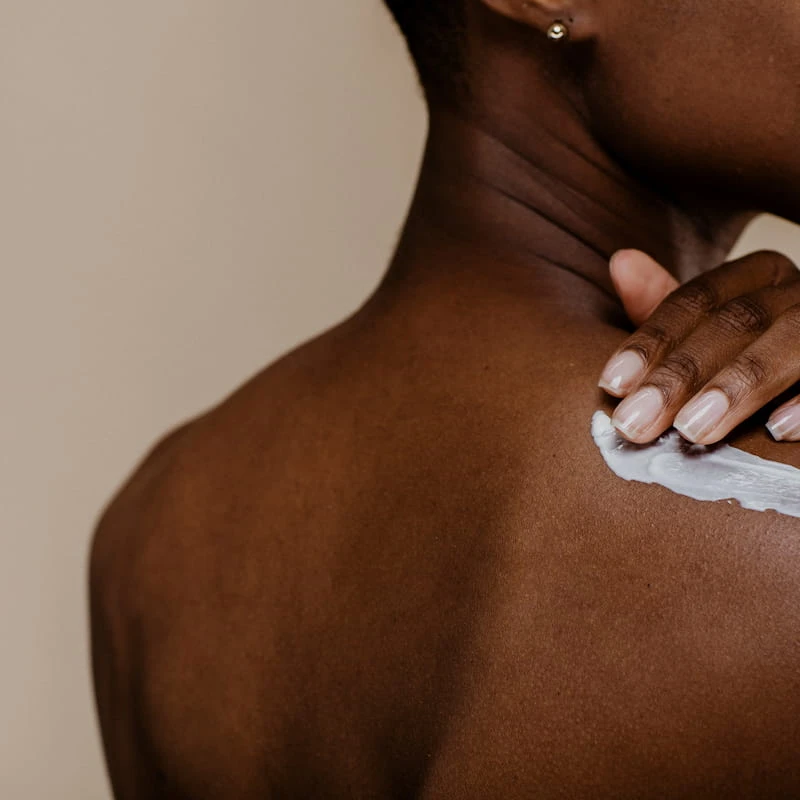
    For those with brown or Black skin, lotions often take a backseat to the rich, natural goodness of butters and oils. These potent moisturizers can be game-changers for hydration and skin health. But if you’re torn between the two, wondering which offers the best benefits, let’s dive in. The key to maximizing any moisturizer? Apply it right after your shower while your skin is still damp!

    The Power of Butters

    Butters like cocoa and shea are packed with nourishing fatty acids that deeply hydrate and improve skin elasticity. Cocoa butter, rich in phytochemicals, can boost blood flow to the skin, potentially protecting against sun damage and reducing the appearance of wrinkles, scars, and stretch marks. Compared to oils, butters, especially shea butter, offer a stronger moisturizing effect and possess anti-inflammatory properties, making them ideal for soothing irritated skin.

    Their thick, water-free consistency creates a smooth finish and helps skin retain moisture. Plus, most butters are derived from all-natural ingredients, minimizing the risk of skin sensitivity. Options abound, including shea, cocoa, mango, and mowrah butter, offering a natural solution for various skin needs.

    The Versatility of Oils

    Body oils are easily absorbed, working to soften and nourish the skin. Their composition is quite similar to the skin’s natural oils, leading to excellent compatibility and response. While they don’t clog pores, individuals prone to acne might want to avoid applying them to the face, chest, or back. Unlike many butters, oils are often more cost-effective, with just a few drops providing significant benefits.

    Oils are incredibly versatile – they can be added to bathwater for a luxurious soak or mixed into lotions and butters to enhance their moisturizing power. Their ability to soften and nourish makes them a unique and effective skincare ingredient.

    Choosing What’s Best for You

    Ultimately, the choice between butters and oils often comes down to skin type and personal preference. For sensitive skin, or those dealing with bruises, rashes, dry patches, eczema, melasma, or razor bumps, butters are generally the safer, more effective option, offering superior smoothness with minimal risk.

    If you don’t have significant skin concerns, you might even benefit from using both! Consider adding oils to your bathwater and then applying butter to your skin before you completely dry off. Both oils and butters have their unique advantages, and finding the right combination can lead to beautifully moisturized and healthy-looking skin.

    What’s your go-to moisturizer – butters or oils? Do you have a favorite natural ingredient for your skin? Share your recommendations and experiences in the comments below!


  • Summer Skincare for Oily Skin: Expert Tips

    Summer is here, bringing sunny days and outdoor fun! But for those with oily skin, the warmer, more humid weather can mean dealing with excess shine and discomfort. As temperatures rise, our skin naturally produces more sebum, leading to that familiar oily sheen. While it might seem logical to strip your skin of moisture, doing so can actually trigger more oil production. Instead, a smart, targeted skincare routine is key to keeping your skin looking fresh and feeling great all summer long.

    Keep Your Skin Adequately Cleansed (But Don’t Overdo It!)

    Maintaining a clean complexion is crucial, especially for oily skin. Washing your face gently twice a day helps remove impurities and excess oil. For those prone to oiliness, consider incorporating a sulfur-based face wash, as sulfur is known for its oil-controlling properties. However, resist the urge to over-wash; cleansing more than twice daily can strip your skin, leading to increased sebum production.

    If you feel your skin needs a mid-day refresh, opt for lighter alternatives like a hydrating face mist or a clarifying toner. These can help manage shine without disrupting your skin’s natural balance.

    Moisturize and Use SPF – It’s Crucial!

    This step is non-negotiable! Neglecting to moisturize oily skin is a common mistake that can backfire, causing your skin to overcompensate by producing even more oil. Instead, opt for an oil-free moisturizer, ideally one with SPF 30 or higher for daytime use. Look for formulas that offer hydration without a heavy or greasy feel, and ensure they don’t leave a gray cast on your skin.

    Remember to reapply sunscreen throughout the day, especially if you’re spending extended periods outdoors. Proper sun protection is vital for preventing sun damage and maintaining overall skin health.

    Avoid Heavy Creams and Embrace Lighter Formulas

    Heavy creams and rich moisturizers can feel suffocating on oily skin, especially in the summer heat. Instead, choose lighter formulations like serums and gels. These products are typically water-based, absorb quickly, and allow your skin to breathe, preventing that uncomfortable, overly oily sensation.

    Blotting Sheets: Your On-the-Go Solution

    When you need an immediate fix for excess oil, blotting sheets are your best friend. Keep them handy for quick touch-ups throughout the day, especially on your T-zone. Gently blot the affected areas to absorb excess sebum without disturbing your makeup. Follow up with a refreshing mist to feel revitalized.

    Pro tip: If you don’t have blotting sheets, clean gift wrap paper can serve as a surprisingly effective alternative in a pinch!

    Don’t Forget to Hydrate from Within

    Staying hydrated is essential for overall health and plays a significant role in skin health, even for oily complexions. Drinking an adequate amount of water daily—aiming for 0.5 to 1.0 gallons—supports bodily functions, helps purify your system, keeps skin hydrated, and improves elasticity. Proper hydration can contribute to a more balanced sebum production.

    Don’t let oily skin hold you back from enjoying your summer. By adopting a gentle, proactive skincare routine, allowing your skin to breathe, and staying hydrated, you can help your skin shine in all the right ways this season!

    What are your go-to tips for managing oily skin in the summer? Share your secrets in the comments below!

  • 10 Daily Habits Causing Your Dry Skin

    Is your skin feeling persistently dry, flaky, or just plain uncomfortable? You might be surprised to learn that some of your everyday routines could be the culprit. Don’t worry, though! By making a few simple adjustments, you can get on the path to achieving that soft, supple, and well-moisturized skin you’ve been dreaming of.

    The Truth About Your Showers

    Ah, the long, hot shower – it’s a comforting ritual for many. However, indulging in these steamy sessions for more than 10 minutes can strip your skin of its natural, essential oils. This process not only leaves your skin dry but can also compromise its protective barrier, making it more susceptible to irritation and damage. Try to keep your showers shorter and the water temperature below 84°F (around 29°C) to protect your skin’s moisture.

    Hydration Starts Within

    Your skin’s health is deeply connected to your internal hydration levels. If you’re not drinking enough water throughout the day, your body will struggle to keep your skin adequately moisturized. While individual needs vary, aiming for about eight 8-ounce glasses of water daily is a great starting point for maintaining healthy, hydrated skin.

    Choosing the Right Moisturizer Matters

    Simply applying moisturizer isn’t always enough; you need to use the *right* kind. Many water-based lotions evaporate quickly, leaving your skin drier than before. For better results, opt for oil-based creams or ointments. These create a protective barrier that helps your skin retain its much-needed moisture more effectively.

    Harsh Soaps and Hard Water Woes

    The soaps we use daily can be surprisingly harsh. Many contain alkaline chemicals that disrupt your skin’s natural pH balance and barrier function, leading to dryness and irritation. Fragranced soaps can add to the problem. Look for unscented, moisturizing soaps that are gentle on your skin. Additionally, hard water can leave a film on your skin, hindering moisturizer absorption. Consider a water filtration system if you suspect hard water is an issue.

    The Impact of Frequent Hand Washing and Exfoliation

    While essential for hygiene, frequent hand washing can strip natural oils. Using moisturizing soaps and applying hand cream regularly can help combat this. Similarly, over-exfoliating can damage your skin. Limit exfoliation to once or twice a week with gentle products to avoid micro-tears and irritation.

    Laundry Day and Skincare Ingredients

    Even your laundry detergents and fabric softeners can contribute to dry skin. Fragrant or harsh cleaning agents can irritate your skin’s barrier, and residues left on clothes can cause ongoing issues. Opt for products designed for sensitive skin or use less detergent. Also, be mindful of retinol use; a pea-sized amount is usually sufficient to avoid over-drying.

    Don’t Forget the Rest of Your Body!

    Skincare isn’t just about your face and hands. Ensure your routine covers your entire body, including your scalp. Pay extra attention to areas prone to dryness and cracking, like elbows and soles. If dry skin persists despite these changes, it’s wise to consult a doctor, as it could indicate an underlying condition like eczema or psoriasis.

    Which of these daily habits surprised you the most? Have you noticed dry skin from any of these? Share your experiences and tips for combating dry skin in the comments below!

  • The Skincare Crisis: Are You Overdoing It?

    Let’s be honest, skincare has become a major obsession. Scrolling through social media, it feels like everyone is pushing a complex routine, a miracle serum, or a new potent acid. If you have melanated or sensitive skin, the pressure to achieve flawless skin—clearing breakouts, fading dark spots, and achieving that coveted glow—can feel immense. But what if more products aren’t the answer? Many of us are actually overdoing it, leaving our skin red, irritated, and begging for a break.

    The Overworked Skin Epidemic

    There’s a quiet crisis happening in the world of skincare: our skin is overworked and overwhelmed. We’ve been led to believe that perfect skin is just a few steps away, leading us to stack products, double up on exfoliants, and chase trends that might look good on TikTok but aren’t actually beneficial for our skin. This is especially true for Black and Brown individuals, where the pressure to correct hyperpigmentation and acne can lead to aggressive treatment.

    When we exfoliate too frequently, strip our natural oils, or layer too many active ingredients (like acids, retinoids, and Vitamin C), we can inadvertently damage our skin’s crucial protective barrier. This barrier is essential for keeping moisture in and irritants out. Weakening it can lead to a host of problems.

    Over-Exfoliation: The Silent Saboteur

    Exfoliation can be beneficial when done correctly, but overdoing it is a common culprit behind damaged skin barriers. When this protective layer is compromised, you might notice: A burning or stinging sensation after applying products, even gentle ones. Persistent redness or dark patches. Dry, flaky, or rough skin texture. Unexpected breakouts. A tight or itchy feeling after cleansing.

    If these symptoms sound familiar, your skin might not be breaking out—it might be burned out. The key takeaway is that sensitive skin doesn’t need a complicated, 10-step routine. Often, a simplified approach is far more effective.

    Less Is More: Simplifying Your Routine

    For those with easily irritated, dry, or reactive skin—which is common in Black and Brown skin tones—a “less is more” philosophy can work wonders. Constantly switching products or over-exfoliating can worsen hyperpigmentation, a common concern for melanated skin. Instead, focus on protecting and calming your complexion. A truly effective routine might only need:

    • A gentle, pH-balanced cleanser
    • A calming moisturizer with ingredients like ceramides or glycerin
    • A broad-spectrum sunscreen (essential for all skin tones!)
    • Perhaps one targeted treatment, like a niacinamide serum or a gentle retinoid, if needed.

    That’s it. Really. The goal is to find a sweet spot between clean and over-cleansed. Avoid harsh foaming cleansers, hot water, aggressive scrubbing, and washing your face more than twice a day. Opt for creamy cleansers, lukewarm water, gentle massage, and apply moisturizer to damp skin.

    Rebuilding Your Skin Barrier

    If you suspect you’ve overdone it and damaged your skin barrier, it’s time for a reset. Here’s a simple plan to help your skin heal:

    1. **Stop all exfoliating treatments:** Put away the AHAs, BHAs, scrubs, retinoids, and Vitamin C for at least two to four weeks.
    2. **Return to basics:** Stick to a gentle cleanser, a hydrating moisturizer, and sunscreen daily. Think of it as a spa vacation for your skin.
    3. **Incorporate barrier-repair ingredients:** Look for products containing ceramides, niacinamide, squalane, colloidal oatmeal, or even petrolatum (like Vaseline or Aquaphor) for nighttime use.
    4. **Prioritize sun protection:** Sun exposure can worsen hyperpigmentation on compromised skin. Opt for a mineral-based sunscreen (zinc oxide or titanium dioxide) from brands formulated for melanated skin, such as Black Girl Sunscreen, Kinlò, or Unsun.
    5. **Reintroduce products slowly:** Once your skin has calmed down, reintroduce one product at a time, only if necessary. Patience is key.

    Why Gentleness is Essential for Melanated Skin

    It’s crucial to understand that Black and Brown skin can react differently to irritation and trauma, often leading to post-inflammatory hyperpigmentation (PIH) or keloid scarring. What might cause temporary redness on other skin types can result in dark marks that linger for months or even years on melanated skin. Therefore, a gentle approach isn’t just a preference; it’s essential for maintaining even-toned, healthy skin.

    The skincare industry hasn’t always catered to the unique needs of melanated skin. However, we don’t have to fall victim to trends or routines that don’t serve us. By simplifying our approach, prioritizing protection, and listening to our skin, we can achieve healthy, glowing skin without the struggle.

    Have you experienced skin burnout from your skincare routine? Share your journey and tips for healing your skin barrier in the comments below!

  • Beat Winter Eczema Flare-Ups: Expert Tips

    That dry, itchy, and sometimes painful skin condition known as eczema, or atopic dermatitis, can be particularly challenging during the winter months. While it might seem like just dry skin, for millions, it’s a persistent condition that can affect daily life. Did you know that 16% of the 31.6 million Americans affected by eczema are Black Americans? And eczema can present differently on Black skin, sometimes leading to scaling, flaking, and even scarring.

    Understanding Eczema’s ‘Brick Wall’ Effect

    Dermatologist Dr. Cara McDonald explains eczema as a “barrier defect” in the skin. Imagine your skin’s barrier like a sturdy brick wall with mortar holding it together. In eczema, that mortar is compromised, leaving the bricks loose. This allows irritants to easily penetrate the skin while moisture escapes, leading to dryness and inflammation.

    This compromised barrier can make the skin vulnerable to infections, especially when severe itching leads to cracking, bleeding, and open sores. It can turn simple daily tasks into painful experiences.

    Identifying and Avoiding Your Triggers

    Knowing what sets off your eczema is crucial for managing flare-ups. Common culprits include everyday products like soaps, detergents, and even natural ingredients that can irritate sensitive skin. Other irritants can include metals, fragrances, certain fabrics, and even formaldehyde found in household products.

    Food allergies and stress are also significant triggers. Stress, whether from work, relationships, or even worrying about your eczema itself, can cause your body to react. And, of course, harsh winter weather – the cold, dry air – puts extra stress on your skin’s barrier.

    Key Strategies for Soothing Eczema

    Treating and soothing eczema, especially during winter, involves a consistent approach. Here are three key methods:

    * **Create a Skincare Routine:** Consistency is vital. Your skin responds better when it knows what to expect. Establishing a regular routine helps your skin adapt to products and maintain its barrier.
    * **Bathing Wisely:** Since eczema is linked to moisture loss, baths can be beneficial. Use lukewarm water, avoid harsh scrubbing, and opt for a gentle cleanser. Remember, the goal is to restore moisture, not strip it away.
    * **Moisturize, Moisturize, Moisturize:** This is non-negotiable! High-oil content moisturizers are excellent for boosting hydration and acting as a protective barrier. Apply frequently, especially to exposed areas like your hands, face, and arms. Moisturizing immediately after washing your hands or any contact with water is critical.

    The combination of sealing the skin and adding water content to the skin will make it feel softer, feel more moisturized, as well as reduce the break down of the skin and break the viscous cycle that you see in eczema and skin dryness. — Dr. Cara McDonald

    Beyond the Physical: Addressing Emotional Well-being

    It’s important to remember that eczema affects more than just the skin. Many individuals experience loss of confidence and insecurity due to their condition. Feeling embarrassed or self-conscious is common, but practicing self-confidence can help. Acknowledging the emotional toll and seeking support is just as important as managing the physical symptoms.

    Do you have eczema? What are your go-to strategies for managing winter flare-ups? Share your tips and experiences in the comments below!