Tag: Sinners

  • Ryan Coogler Joins Filmmaker Leadership Council

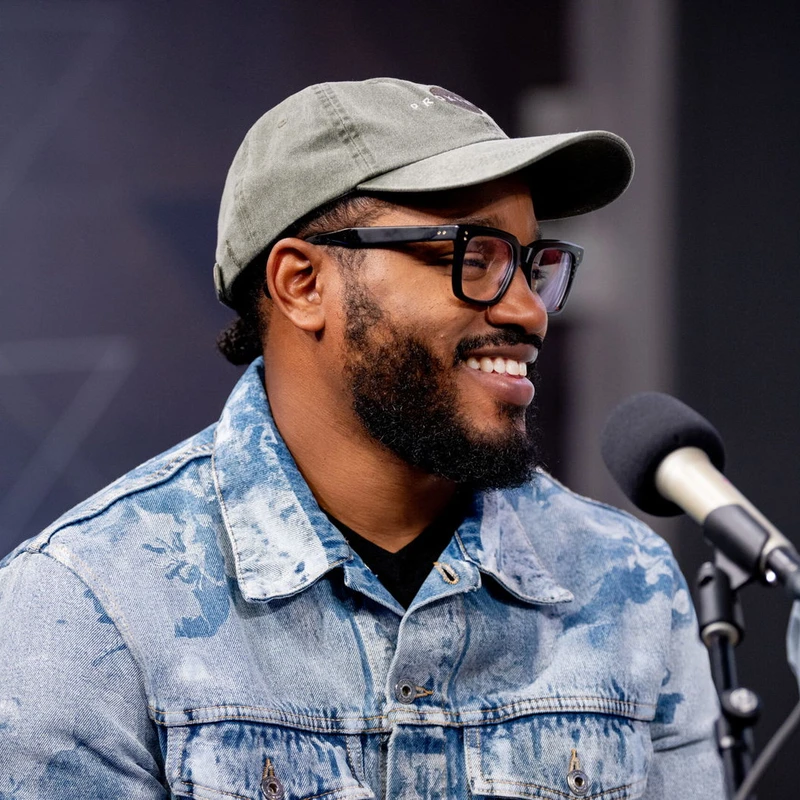
    Acclaimed filmmaker Ryan Coogler, fresh off his Oscar win for Best Original Screenplay for “Sinners” in March 2026, is stepping into a new role. He’s joining Cinema United’s newly formed Filmmaker Leadership Council, a coalition dedicated to championing the future of cinema and encouraging more people to experience movies on the big screen.

    Shaping the Future of Cinema

    The council’s primary mission is to combat the growing competition from streaming services by increasing interest in theatrical attendance. Members will collaborate directly with Cinema United, offering valuable feedback and recommendations on critical industry challenges. These include navigating theatrical release windows, optimizing marketing and promotion strategies, and exploring advancements in cinema technology.

    The council is chaired by veteran film producer Jerry Bruckheimer and includes other esteemed filmmakers like Jason Reitman and Celine Song. Producer Emma Thomas, serving as vice chair, highlighted the profound cultural significance of the shared cinematic experience. “There is a profound cultural value in gathering together with a group of strangers and connecting while experiencing something special on the big screen,” Thomas stated, emphasizing the irreplaceable nature of that collective moment.

    Coogler’s Philosophy on Awards and Collaboration

    Coogler’s decision to join the council aligns with his well-known philosophy. Back in 2016, after the success of “Creed,” he famously declined an invitation to join the Academy of Motion Picture Arts and Sciences (AMPAS), citing his discomfort with the competitive nature of awards. “It’s not out of animosity… And I’m not good at judging things, bro. The act of ‘Hey, pick the best thing’ is very stressful for me, even when there’s no stakes involved,” he told The New York Times.

    This preference for collaboration over critique is evident in his career, from his breakout film “Fruitvale Station” to the record-breaking Marvel blockbuster “Black Panther.” His latest project, “Sinners,” garnered 16 Academy Award nominations, making it the most nominated film in history. Coogler’s involvement in the Filmmaker Leadership Council signifies his commitment to the broader health and future of the film industry.

    What are your thoughts on Ryan Coogler’s role in the Filmmaker Leadership Council? Share your opinions in the comments below!
  • Michael B. Jordan’s Career Before His Oscar Triumph

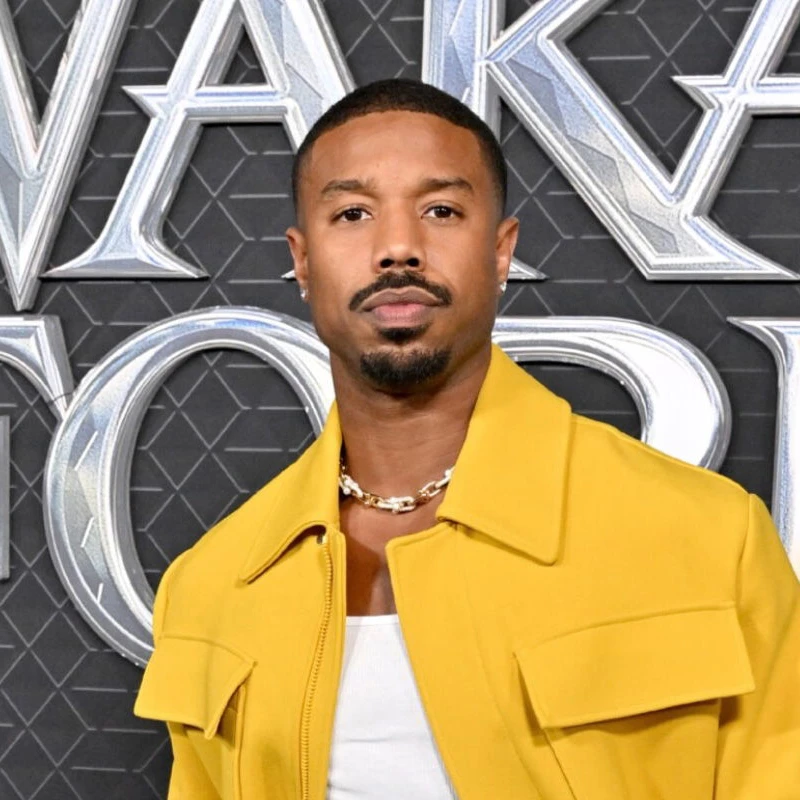
    Michael B. Jordan has spent 25 years honing his craft, evolving into one of Hollywood’s most recognized leading men and recently becoming the sixth African American male to win a Best Actor Oscar for his performance in “Sinners” at the 98th Academy Awards. This timeline highlights the pivotal roles that shaped his career long before his historic win.

    Early Roles: From Hardball to The Wire

    Jordan’s acting journey began with roles that showcased his early potential. In the 2001 coming-of-age drama “Hardball,” he played Jamal, the oldest player on a youth baseball team, a role that helped him transition from modeling and commercials to feature films. His dramatic capabilities were further demonstrated in the acclaimed HBO crime drama “The Wire” (2002–2011), where he portrayed Wallace, a teenage drug dealer caught in the harsh realities of street life. Though his character’s arc was brief, Jordan’s performance highlighted his dramatic range within a distinguished ensemble cast.

    His ability to develop characters and deliver consistent emotional storytelling was evident in the long-running ABC soap opera “All My Children” (2003–2006), where he played Reggie Porter Montgomery. Later, in the acclaimed TV drama “Friday Night Lights” (2009–2011), Jordan portrayed Vince Howard, a talented quarterback navigating personal challenges, earning widespread recognition for his portrayal of athletic confidence and internal conflict.

    Breakthrough Roles and Genre Exploration

    Jordan’s talent for creating authentic emotional depth in genre storytelling was showcased in the 2012 sci-fi thriller “Chronicle,” where he took on a lead role. This performance established him for major film opportunities. His breakthrough role, however, came with “Fruitvale Station” (2013), directed by Ryan Coogler. Jordan received critical acclaim for his portrayal of Oscar Grant, a victim of police violence in Oakland, California, a performance based on a true story that solidified his status as a leading dramatic actor.

    Demonstrating his versatility, Jordan also ventured into romantic comedy with “That Awkward Moment” (2014), playing Mikey, one of three friends navigating relationship challenges. While his role in the 2015 superhero reboot “Fantastic Four” as Johnny Storm/The Human Torch faced box office and critical challenges, it provided valuable experience in big-budget franchises and increased his mainstream Hollywood exposure.

    Defining Roles and Establishing a Franchise

    Jordan’s portrayal of Adonis “Donnie” Creed in the “Creed” film series (2015, 2018, 2023) cemented his status as a defining character in a massive franchise. His powerful physical transformation and magnetic performance resonated with audiences, leading to his directorial debut with “Creed III,” establishing him as a true creative force. His role as Erik Killmonger in Marvel Studios’ “Black Panther” (2018) was both culturally significant and critically acclaimed, significantly boosting his stardom. Jordan also delivered a performance praised for its moral urgency and emotional restraint in the 2019 biographical legal drama “Just Mercy,” portraying civil rights lawyer Bryan Stevenson.

    What is your favorite Michael B. Jordan performance? How do you think his early roles paved the way for his later success? Share your thoughts in the comments below!

  • Delroy Lindo on BAFTA Incident & Oscar Joy

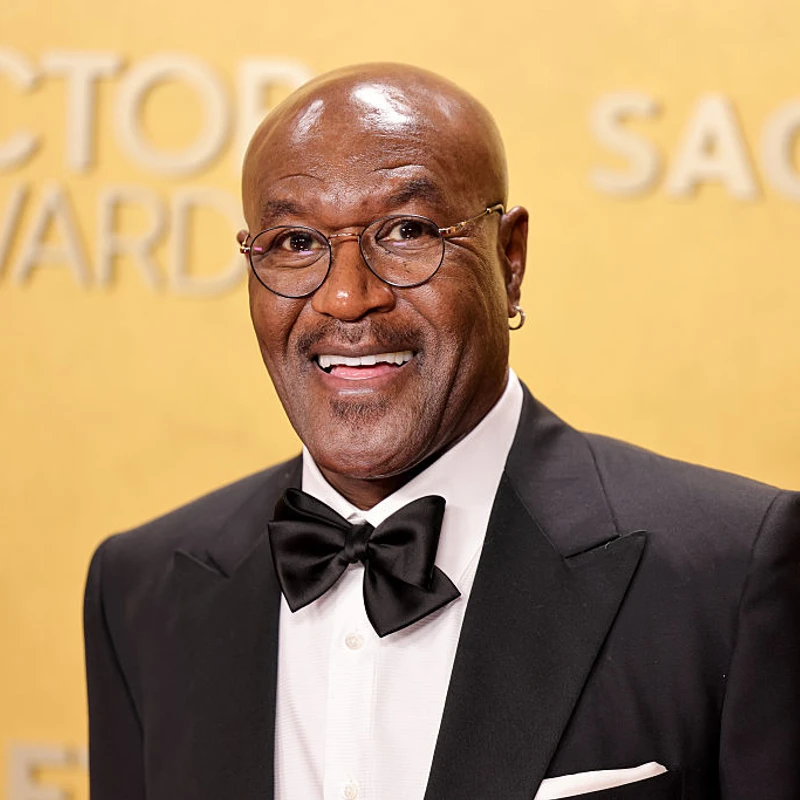
    Veteran actor Delroy Lindo is navigating a whirlwind awards season, and while the buzz around his performances is immense, he’s choosing to focus on the positive. Despite a recent unsettling incident at the BAFTAs, Lindo is determined to “claim the joy” of this moment, especially as he looks ahead to the Oscars.

    Reflecting on the BAFTA Incident

    During a recent interview on NPR’s Fresh Air, Lindo was asked about the moment at the BAFTAs where Tourette’s Syndrome activist John Davidson shouted the N-word while Lindo and Michael B. Jordan were presenting an award. While initially hesitant to revisit the incident, Lindo shared his immediate thoughts in that split second.

    He described a nanosecond of internal processing: “Wait, did I just hear what I thought I heard?” Lindo explained that professionalism quickly took over. “We had jobs to do,” he stated, recalling how he and Jordan seamlessly continued with their presentation. His wife noted that his subtle adjustment of his glasses was the only outward sign of the internal reaction.

    Finding Strength in Community

    A week later, at the NAACP Image Awards, Lindo felt a profound sense of support. “The fact that I could stand there in a room predominantly of our people… and feel safe, feel loved, feel supported,” he shared. He used the opportunity to formally thank the community for their outpouring of support following the BAFTA incident.

    Looking Ahead to the Oscars

    The conversation then shifted to the upcoming Academy Awards, where Lindo is a contender for his powerful performance in Spike Lee’s “Da 5 Bloods.” Despite past Oscar buzz that didn’t materialize, the 73-year-old actor remains resolute. “I will continue working,” he declared, emphasizing that the true affirmation comes from the impact his work has on audiences, reminding people of family members like an uncle or grandfather.

    Lindo refuses to entertain the idea of an “Oscar curse” for Black actors, referencing stars like Halle Berry and Lou Gossett Jr. “I will not view it as a curse, because I am claiming the victory in this process, no matter what happens,” he asserted. He admits to feeling trepidation, even avoiding listening to the nomination announcements, but is committed to fortifying himself and embracing the joy of the moment.

    Beyond Acting: A Writer’s Vision

    Beyond his acting career, Lindo is channeling his passion into writing. He holds a master’s degree from NYU, where his thesis focused on the Windrush generation – the Caribbean immigrants invited by the British government to help rebuild the UK after World War II, including his own mother, who was a nurse. He plans to use this research for a screenplay that highlights the experiences of Caribbean women, addressing what he sees as an imbalance in film representation.

    Lindo is also working on a unique book, described as more than a typical “celebrity memoir.” It delves into history and culture through the lens of the Windrush experience, involving a deep, personal examination of his relationship with his mother. He promises it’s a departure from the conventional celebrity narrative.

    What are your thoughts on Delroy Lindo’s approach to the awards season and his future projects? Share your opinions in the comments below!
  • Black Artists Shine in 2026 Grammy Nominations

    Get ready for the 2026 Grammy Awards! The nominations are in, and it’s a monumental year for Black artists, who are making a powerful statement by leading the pack across nearly every major category. This year’s reveal on November 7th isn’t just about celebrating music; it’s a testament to the incredible talent and influence shaping the industry.

    Kendrick Lamar Leads the Pack

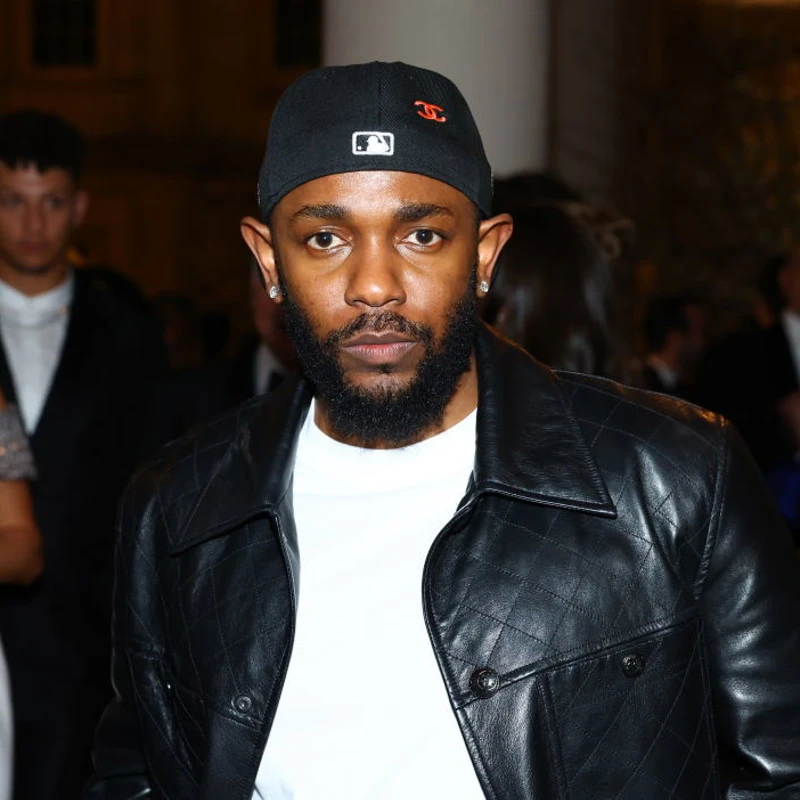
    Leading the charge is none other than Kendrick Lamar, who snagged an impressive nine nominations. His critically acclaimed project, ‘GNX,’ is up for Album of the Year and Rap Album of the Year, continuing his reign as a dominant force in hip-hop. This recognition solidifies his status as one of the most impactful artists of our time.

    Following closely is Doechii, who, after her breakout success at the 2025 Grammys, earned five nominations this year, largely thanks to her viral hit ‘Anxiety.’ SZA, the Clipse, and Tyler, the Creator also secured five nods each, underscoring a significant year for hip-hop and R&B artists at the forefront of popular music.

    A Historic Year for Rap Albums

    In a remarkable first since 2019, three rap albums are vying for the coveted Album of the Year award: Kendrick Lamar’s ‘GNX,’ Clipse’s ‘Let God Sort ’Em Out,’ and Tyler, the Creator’s ‘CHROMAKOPIA.’ This historic showing highlights the genre’s artistic evolution and its increasing recognition within the Recording Academy.

    Lamar’s continued success is noteworthy. His 2025 hit ‘Not Like Us’ previously swept major categories, and if he clinches four or more awards this February, he’ll surpass Jay-Z as the most awarded rapper in Grammy history. The eligibility period for these nominations spanned releases from August 31, 2024, to August 30, 2025.

    Spotlight on Rising Stars and Diverse Talent

    The nominations also shine a light on emerging talent. Rising R&B star Leon Thomas received multiple nominations for his album ‘MUTT’ and single ‘Yes It Is,’ including Best New Artist. The diverse list of nominees also features Kehlani, Kaytranada, Anderson .Paak, FKA twigs, Chris Brown, Summer Walker, Coco Jones, Ledisi, and Durand Bernarr, showcasing a wide spectrum of Black artistry that defies genre boundaries.

    Beyond music, the Recording Academy recognized Michael B. Jordan and Ryan Coogler’s film ‘Sinners,’ which garnered five nominations, marking a significant achievement for the project. Even Fab Morvan, formerly of Milli Vanilli, received a nomination for Best Audiobook, Narration, and Storytelling Recording, offering a surprising redemption story 35 years after the duo’s infamous Grammy scandal.

    With these historic nods, compelling comeback narratives, and powerful representation, the 2026 Grammy Awards are set to be a celebration of not only the year’s best music but also the enduring and evolving legacy of Black creativity in American culture.

    Who are you rooting for at the 2026 Grammy Awards? Which nominations are you most excited about? Share your predictions and thoughts in the comments below!

  • Black Women Reclaim Ancestral Spirituality

    For many Black women, growing up meant navigating faith traditions that often painted anything spiritual, natural, or connected to the ‘unknown’ as dangerous or demonic. Pop culture reinforced this, casting Black characters who embraced spirit or magic as villains. But a powerful shift is underway: Black women are beginning to reclaim ancestral spirituality, finding new power in practices once deemed forbidden.

    Challenging Stereotypes and Fear

    The fear surrounding ancestral practices often stems from rigid religious upbringings and negative portrayals in media. Even positive affirmations of spiritual gifts or connections to Yoruba priests (like Michael B. Jordan’s middle name origin) or Beyoncé’s nods to Hoodoo in “Lemonade” have been met with accusations of being ‘demonic.’ This cultural conditioning creates fear, even as curiosity about these ancestral roots grows.

    However, recent cultural moments are cracking open the door to more nuanced conversations. Films like “Sinners” have moved beyond simplistic horror tropes, portraying Hoodoo practitioners positively. This shift is crucial, but it’s guided by cultural workers and diviners who live these traditions.

    The Wisdom of Sankofa and Hoodoo

    Cultural worker Sara Makeba Daise, a fifth-generation Gullah Geechee diviner, is at the forefront of this reclamation with her forthcoming book, “Sankofa Shadow Work.” Daise, known from the 90s show “Gullah Gullah Island,” builds on her foundation to connect pop culture’s glimpses of ancestry with lived realities. October, being both Gullah Geechee Heritage Month and Hoodoo Heritage Month, highlights the inseparable nature of these traditions.

    The Gullah Geechee people, descendants of enslaved Africans, have preserved African traditions, language, and foodways. Hoodoo, or root work, emerged from this landscape of survival, blending African cosmologies and Indigenous knowledge—a practice specific to the African American experience.

    Pop Culture as an Entry Point

    Pop culture has been signaling this return for years. Beyoncé’s “Lemonade” spurred interest in films like “Daughters of the Dust,” and Tina Knowles’ memoir “Matriarch” affirms the power of ancestral wisdom. Even network dramas are beginning to nod to conjure, bringing these once-whispered practices into the mainstream.

    Daise emphasizes that while representation in media like “Sinners” is valuable, it’s an entry point, not the end goal. The film’s positive depiction of Hoodoo as a source of power and protection, rather than horror, is a significant step. The concept of Sankofa, an Akan word meaning ‘go back and get it,’ perfectly encapsulates this movement—returning to the wisdom of the past to move forward.

    Finding Wisdom in Everyday Life

    For those curious about reconnecting, Daise suggests looking for memory in plain sight. Naturopathic remedies, family healing traditions, and even the nuances of family language can be indicators of ancestral wisdom. She also stresses the importance of embodied presence—slowing down, engaging the senses, and finding grace for oneself and one’s ancestors.

    Starting points can be simple: establishing an altar practice, intentionally acknowledging ancestors, and paying attention to dreams and recurring questions. However, Daise also warns against blindly embracing everything, emphasizing the need for discernment, especially given modern surveillance. Reclaiming these practices is about reintegration, honoring humanity, and imagining futures beyond oppressive systems.

    How have you connected with your ancestral spirituality or wisdom? What does Sankofa mean to you? Share your thoughts and experiences in the comments below!