Tag: Shanquella Robinson

  • America’s Femicide Crisis: A Call to Action for Black Women

    Black women deserve safety, protection, and the fundamental right to live without fear. Yet, for too long, the national conversation about violence within the Black community has sidestepped a critical issue: femicide. While we mobilize around the systemic dangers facing Black men and mourn the loss of our sons, we often fail to directly address and name the violence that impacts Black women so profoundly, both within and outside our communities.

    The Pervasive Threat of Misogynoir

    This isn’t a new problem. From the response to the Tory Lanez shooting of Megan Thee Stallion to the blatant disregard for Dr. Cerlina Wanzer Fairfax’s life while her killer was lauded by his fraternity, the pattern is clear: Black women’s lives are often devalued. This disregard is deeply rooted in misogynoir—a specific form of prejudice that combines anti-Black racism with misogyny. This toxic blend leaves Black women killed at rates four times higher than non-Black women, despite making up only 10% of the U.S. female population. A staggering 59% of murdered women are Black, with intimate partner violence being a primary driver of these Black femicides.

    The data is stark: Black women are more likely to be murdered by an intimate partner than to die from the top three pregnancy-related complications. Black pregnant women face a particularly high risk. Furthermore, the homicide rate for Black trans women has surged by 93% in just four years, yet this crisis remains largely invisible in mainstream discourse. Why? Harmful stereotypes paint Black women as inherently strong and unbreakable, diminishing their perceived need for protection and empathy. Even when Black women exhibit strength, success, or joy, narratives often emerge suggesting they somehow deserved mistreatment.

    Systemic Issues Fueling the Crisis

    The violence is often intimate and targeted, committed by partners, husbands, boyfriends, and even fathers. This reality forces us to confront the uncomfortable truth that the danger isn’t solely external; it exists within our communities. The homicide rate for Black women has been steadily rising since 2017, yet attention, resources, and urgency remain critically low. When tragedies occur, the focus often shifts to the perpetrator’s issues rather than the lives lost. Mental health struggles, while real, cannot continue to be used as a shield to deflect accountability or humanize abusers more than their victims.

    Cultural forces like patriarchy also play a significant role, even within marginalized communities. The normalization of male dominance, control, and entitlement can easily escalate to violence, especially when combined with economic disparities and limited institutional support. The digital world further exacerbates this, with misogynoir-driven content in online spaces radicalizing individuals and contributing to the devaluation of Black women, creating an environment where harm feels justified or ignored.

    From Awareness to Action

    Despite these immense challenges, Black women continue to be the backbone of families, communities, and culture. It’s time for reciprocity—for the protection and support they consistently provide to be returned. Framing this as a “public health crisis,” as ESSENCE has done, is crucial because it highlights the systemic patterns costing Black women their lives. Awareness alone is insufficient; action is imperative.

    1. **Demand Policy Change:** We need structural solutions, like Minnesota’s precedent-setting Office for Missing and Murdered Black Women and Girls, to become a national standard. This includes better data collection, targeted interventions, and dedicated funding.
    2. **Challenge the Culture:** Confront misogynoir in everyday conversations, group chats, and homes. Silence enables complicity; calling out harmful rhetoric in real-time is vital.
    3. **Support Women’s Autonomy:** Leaving an abusive situation is dangerous. Providing tangible resources like emergency funds, safe housing, childcare, and legal aid is crucial for survival, not just freedom.

    Black women deserve safety, respect, and the right to live fully. This is not a radical idea, but a fundamental human right. The data and lived experiences confirm that safety is not guaranteed. We must move beyond treating these incidents as isolated tragedies and connect the dots to address the systemic pattern of femicide. It’s time for the protection Black women have always extended to others to be returned to them.

    What steps do you believe are most crucial to combatting femicide against Black women? Share your thoughts and potential solutions in the comments below. If you or someone you know is experiencing domestic violence, please reach out to the National Domestic Violence Hotline at 1-800-799-SAFE (7233).
  • Influencer Ashlee Jenae Dies Mysteriously in Tanzania

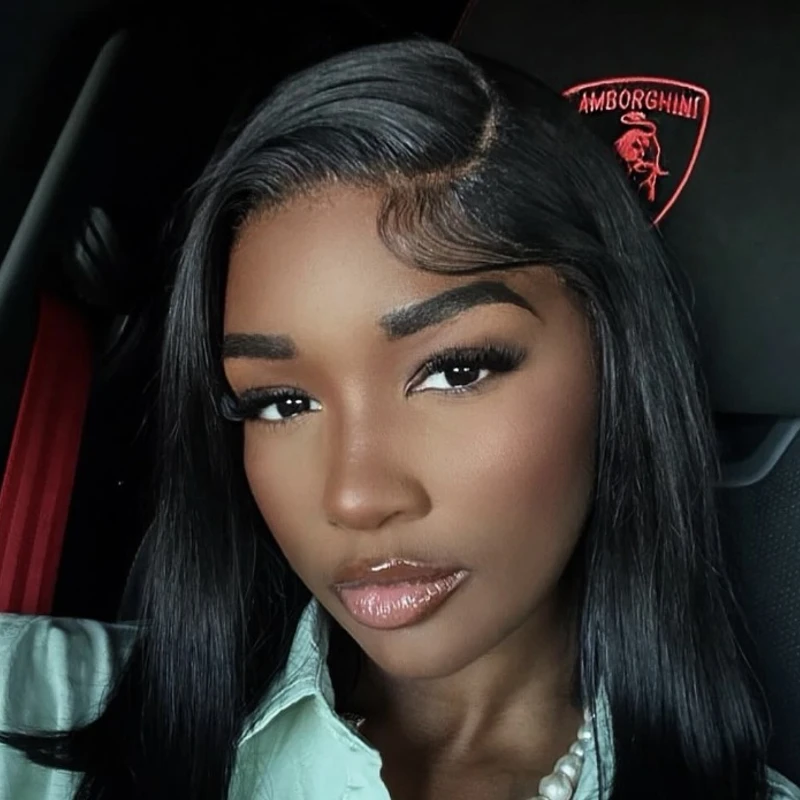
    A dream vacation turned into a devastating nightmare for the family of Miami-based lifestyle influencer Ashlee Jenae, whose sudden death in Tanzania has raised serious questions. Jenae, born Ashly Robinson, was celebrating her 31st birthday and recent engagement when she was found unresponsive in her hotel room.

    A Vacation Turned Tragedy

    The 31-year-old influencer was traveling with her fiancé, Joe McCann, and had been sharing joyful moments from her birthday celebration and engagement on social media. The trip to Zanzibar, Africa, was meant to be a celebration of love and new beginnings. However, the dream getaway took a heartbreaking turn when Jenae was discovered unconscious.

    Despite being rushed to a local hospital, she was pronounced dead hours later. The suddenness of her passing, coupled with the distance from home, has made the tragedy even more overwhelming for her loved ones.

    Family Disputes Fiancé’s Explanation

    In the wake of her death, Jenae’s fiancé, Joe McCann, reportedly told authorities that she died by suicide, specifically by hanging. However, this explanation has been met with profound disbelief and pain from her family. They have publicly stated that the circumstances surrounding her death feel “suspicious” and far from resolved.

    Ashly’s father released a statement on Facebook, expressing the family’s grief and confusion. He highlighted the stark contrast between the joyous moments of her trip and the tragic end, emphasizing the “unanswered questions” and the need for a thorough investigation into the “suspicious passing.”

    A Call for Answers and Support

    The story has gained significant traction online, with many people rallying around Jenae’s family to offer support and demand a comprehensive investigation by the authorities. The situation draws parallels to other high-profile mysterious deaths of young women, such as Shanquella Robinson and Lauren Smith-Fields, which also sparked widespread concern and calls for justice.

    As the investigation unfolds, Ashlee Jenae’s family and friends are working to honor her life and legacy while seeking the truth behind her untimely death. This story serves as a somber reminder of the importance of safety and accountability, especially when traveling abroad.

    This is a deeply tragic situation. What are your thoughts on the circumstances surrounding Ashlee Jenae’s death? Share your support for her family in the comments below.

  • Shanquella Robinson Family Demands Justice

    It has been three years since 25-year-old Shanquella Robinson tragically died while vacationing in Mexico, and her family, alongside their legal team, is intensifying their fight for justice. Despite a viral video of her being attacked and a Mexican autopsy revealing a severe spinal cord injury, no criminal charges have been filed in the United States to date, a fact her loved ones find unacceptable.

    A Call for U.S. Prosecution

    Attorneys Ben Crump and Sue-Ann Robinson, alongside Shanquella’s family and friends, gathered for a memorial on October 29th, marking three years since her death. During the event, they issued a powerful statement calling on federal authorities to take action. “Three years have passed since Shanquella’s life was taken, yet her family still waits for justice. The fact that no criminal charges have been brought in the United States is not only heartbreaking but unacceptable,” the statement read.

    The family has endured “three years of silence, delays, and denials,” yet they remain steadfast in their demand for accountability for their daughter’s death. The attorneys are specifically urging the FBI to release more information about the case, hoping it will help Shanquella’s family find closure.

    Legal Battles and Ongoing Fight

    In 2024, Robinson’s family filed a wrongful death lawsuit against the six friends who accompanied her on the trip, often referred to as the “Cabo Six.” The suit accuses them of battery, negligence, and conspiracy, as the family continues to advocate for the case to be tried in the United States. This legal action is part of their broader effort to ensure Shanquella’s life is honored and her legacy drives the pursuit of truth and justice.

    Ben Crump shared his unwavering support on social media, tweeting, “It’s been 3 years since Shanquella Robinson was killed in Cabo San Lucas, Mexico. She was a daughter, a sister, a bright light who was violently taken from them. We remember Shanquella and stand with her family in demanding accountability.” The family’s resilience and determination highlight the critical need for justice, transparency, and accountability in cases of violence, especially when they cross international borders.

    What are your thoughts on the ongoing fight for justice for Shanquella Robinson? Share your views in the comments below.

  • Family Demands Answers in Shanquella Robinson Case

    Three years after Shanquella Robinson’s life was tragically cut short in Cabo San Lucas, Mexico, her family and legal team are intensifying their calls for answers. On the anniversary of her death, attorneys Ben Crump and Sue-Ann Robinson are urging the FBI to release more details about their investigation into this complex, transnational case.

    A Lingering Wait for Justice

    Shanquella, a 25-year-old woman from North Carolina, was on vacation with six companions in October 2022 when she was found unresponsive in their shared rental villa. Her travel companions initially told a doctor that she had consumed too much alcohol. Tragically, she later went into cardiac arrest and was pronounced dead.

    The situation became even more disturbing when video footage leaked online, showing Robinson being physically assaulted by a woman believed to be one of her travel mates. The assault was reportedly recorded by another male companion, who can be heard asking Robinson to fight back. An autopsy later determined that Shanquella died from a severe neck and spinal cord injury.

    Legal Battles and Calls for Intervention

    Mexican prosecutors classified Robinson’s death as femicide, a gender-based homicide, and sought to extradite the woman involved to face charges in Mexico. However, the U.S. government’s cooperation with this extradition process has been a point of contention. Despite pressure from the family and civil rights advocates, federal prosecutors declined to bring charges in April 2023, citing insufficient evidence for a federal prosecution.

    In October 2024, the family filed a wrongful death lawsuit seeking damages for battery, negligence, conspiracy, and emotional distress. A previous $100 million lawsuit against the U.S. Department of State and the FBI was filed by the family’s attorneys but was later dismissed. “We continue to call on the United States to do what is right, for the FBI to release information on this case so that Shanquella’s family might have some sense of closure,” stated Crump and Robinson. They emphasize that “Shanquella’s life mattered, and her legacy will continue to drive the fight for truth, transparency, and justice.”

    What are your thoughts on the ongoing investigation into Shanquella Robinson’s death? Share your perspective in the comments below.