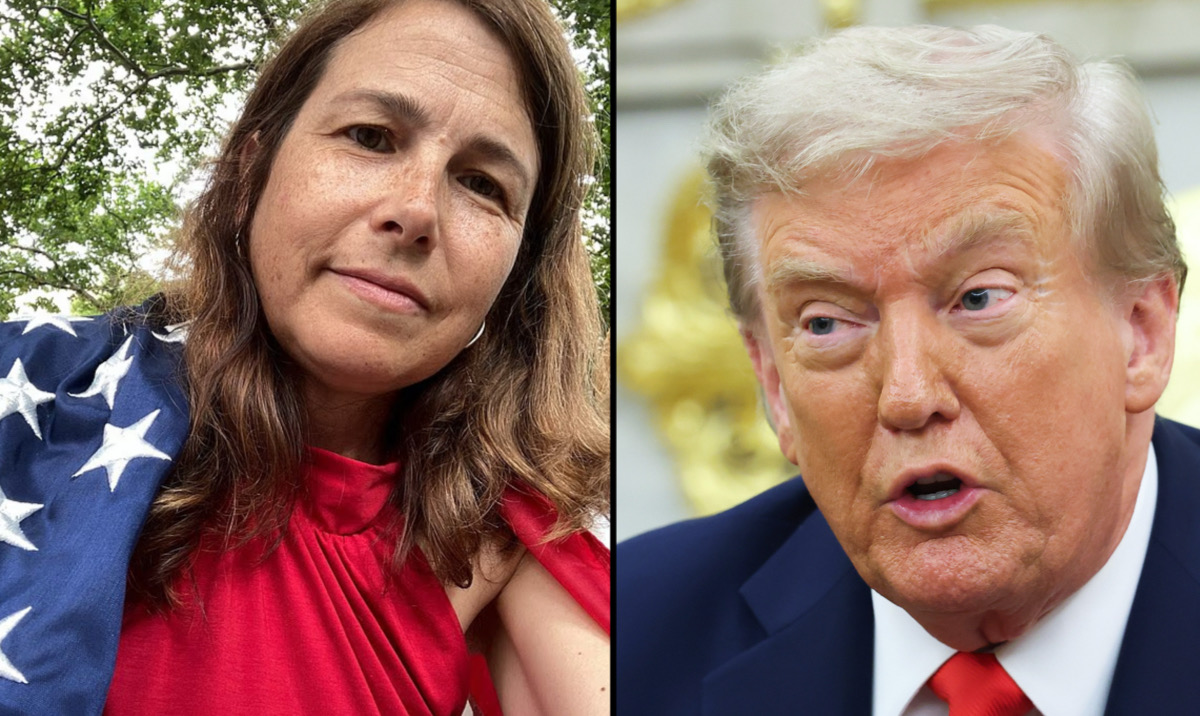
The security arrangements surrounding former Vice President Kamala Harris have recently seen significant shifts, sparking questions about the interplay of politics, law enforcement priorities, and personal safety. The Los Angeles Police Department (LAPD) has withdrawn its officers from her protective detail, a move that has intensified scrutiny on decisions often framed purely by logistics and public safety needs.
A Shifting Security Landscape
Initially, Harris relied on the California Highway Patrol (CHP) for support after her Secret Service detail, which had been extended by President Biden post-vice presidency, was revoked by President Trump. The LAPD was brought in temporarily to supplement this protection, with officers visible near her Los Angeles residence in early September. However, by the second weekend of the month, these officers were reassigned, leaving CHP as the sole state agency responsible for her protection.
The official explanation for the LAPD’s withdrawal cited staffing shortages and resource allocation challenges, particularly in crime-ridden areas of Los Angeles. Yet, the swiftness of this reversal and the surrounding commentary have raised suspicions about potential partisan influences.
Resource Strain and Political Undertones
Internal discussions within the LAPD reportedly revealed concerns about diverting personnel from critical crime suppression efforts in neighborhoods like the San Fernando Valley. The department has faced ongoing pressure to ensure officers are deployed where they are most needed. Mayor Karen Bass acknowledged the LAPD’s temporary role, thanking them for their support while emphasizing the need to balance public safety city-wide. While her comments framed the withdrawal pragmatically, the situation highlighted how resource allocation decisions can become politically charged when prominent figures are involved.
The Los Angeles Police Protective League, the officers’ union, was more direct, expressing satisfaction that the officers were back on patrol and framing the detail as an inefficient use of scarce resources. Their public statement, referring to Harris as a ‘multimillionaire failed presidential candidate,’ underscored the partisan undertones of the situation.
Political Context and Security Uncertainty
The broader political landscape surrounding Harris’s security is undeniable. Trump’s decision to revoke her extended Secret Service detail broke with tradition, as former vice presidents typically receive some level of continuing protection. This move was widely seen as political retribution, given Harris’s role as his opponent in the 2024 presidential election. The subsequent need to arrange state and local protection underscored the sensitivity and complexity of securing politically active figures who lack formal federal security.
Governor Gavin Newsom and Mayor Bass quickly coordinated with state agencies, leading to CHP’s involvement. However, the LAPD’s withdrawal illustrates the precariousness of these arrangements when resources are strained and political divisions are pronounced. This situation leaves Harris facing a potential transition to private security in the coming months, a move that would highlight the increasing privatization of safety for high-profile political figures and raise questions about access, cost, and accountability.
A Memoir and a Political Future
This security shake-up occurs as Harris prepares for a multicity book tour promoting her memoir, ‘107 Days,’ which details her 2024 presidential campaign. The book is expected to bring her back into the national spotlight, increasing her visibility and, consequently, her security needs. Her political future remains a topic of speculation; while she has ruled out a run for California governor, she has yet to disclose intentions for the 2028 Democratic presidential nomination, fueling further discussion, especially given Governor Newsom’s potential presidential aspirations.
Navigating a Politicized Security Landscape
The politicization of Harris’s security arrangements exemplifies the blurred lines between safety and partisanship in today’s political climate. Security decisions, once viewed as administrative, are now often interpreted through the lens of political rivalry. The LAPD’s withdrawal, though officially resource-based, carried significant symbolic weight, highlighting Harris’s vulnerability not only to potential threats but also to the whims of political decision-making. Without federal protection, every adjustment in her security detail becomes a public spectacle, open to interpretation as either pragmatic governance or partisan maneuvering.
This situation raises broader questions about how the U.S. protects former high-ranking officials. While former presidents receive lifetime Secret Service protection, vice presidents have much shorter coverage periods. This gap leaves figures like Harris navigating a complex system of state, local, and potentially private security, especially when they remain prominent political figures. In an era of heightened polarization, these security decisions inevitably become politicized, as seen in the union’s statement aimed at diminishing Harris’s public stature.
What are your thoughts on the politicization of security for public figures like Kamala Harris? Do you believe former VPs should receive longer-term federal protection? Share your views in the comments below!