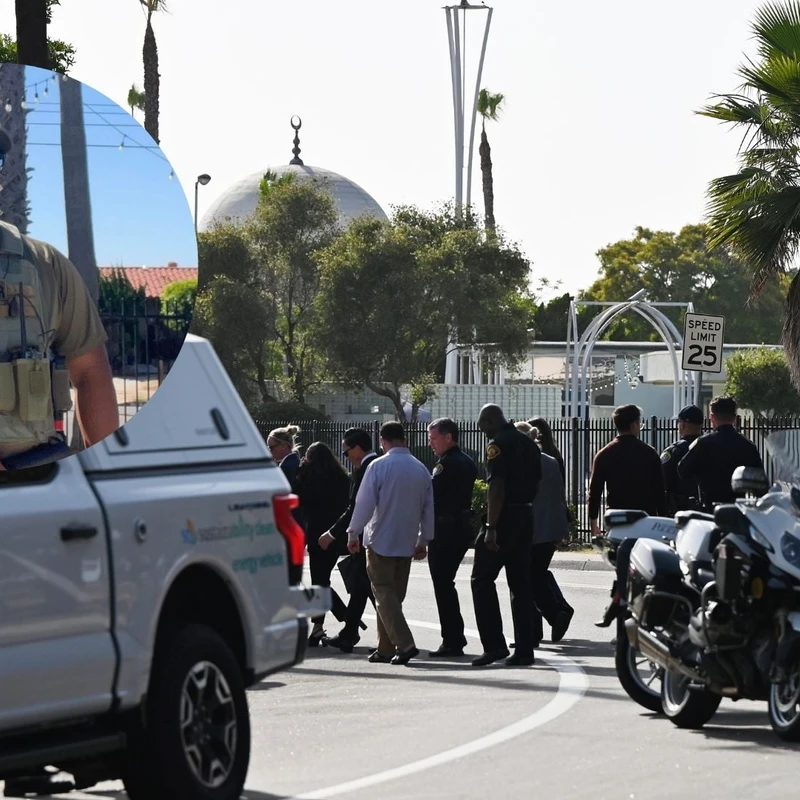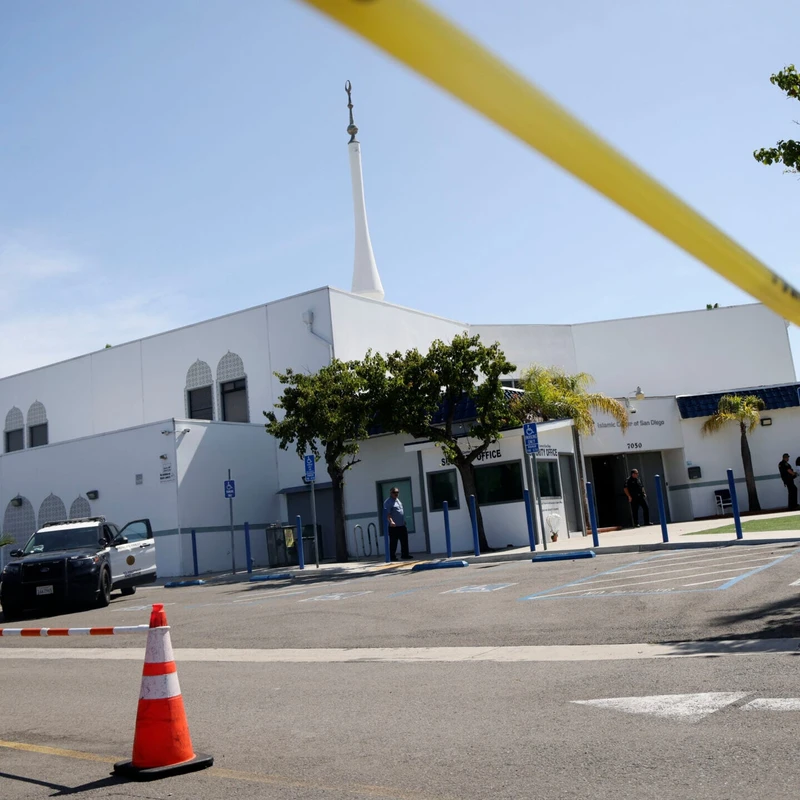
Investigators examining the tragic shooting at the Islamic Center of San Diego have uncovered disturbing evidence: the teenage suspects behind the attack were deeply immersed in white supremacist and neo-Nazi extremist ideologies, largely fueled by online communities. This revelation sheds light on the dangerous path of radicalization that led to the horrific violence.
A Manifesto of Hate
Authorities and experts cited by NBC News revealed that the suspects, identified as teenagers Caleb Vazquez and Cain Clark, allegedly produced a 75-page document before the attack. This extensive writing was filled with virulent racist, antisemitic, misogynistic, and anti-LGBTQ rhetoric. Tragically, both suspects died by suicide following the shooting, which claimed the lives of three innocent people.
Investigators believe the two connected online and may have even livestreamed parts of the attack using body cameras. This chilling detail draws a disturbing parallel to the 2019 mosque shootings in Christchurch, New Zealand, highlighting a disturbing trend in extremist violence.
Online Radicalization and Its Dangers
While federal authorities are still working to authenticate the document, initial findings indicate explicit references to neo-Nazi ideology, Adolf Hitler, and “accelerationism.” This violent white supremacist belief system aims to hasten societal collapse to establish a white ethnostate. FBI special agent Mark Remily noted that the writings targeted a wide range of groups, stating, “They didn’t discriminate on who they hated.”
Experts on domestic extremism, like Cynthia Miller-Idriss from American University, emphasize how digital platforms are accelerating radicalization among young people. Miller-Idriss observed that the suspects’ writings combined white supremacist ideology with misogynistic “incel” rhetoric and references to past mass shootings, describing it as a “messy combination of ideological impulses.”
A Pattern of Violence and Grief
The document reportedly praised perpetrators of previous attacks in Buffalo, Pittsburgh, Orlando, and the Columbine High School massacre. Investigators are diligently working to understand the full extent of the suspects’ radicalization process and whether others were involved in spreading extremist content related to this attack.
In the wake of this tragedy, community vigils have been held across San Diego. Local leaders and residents are mourning the victims and standing united against hate-driven violence, underscoring the profound impact of such extremist ideologies on communities.
What are your thoughts on the rise of online radicalization and its impact on young people? Share your views in the comments below.