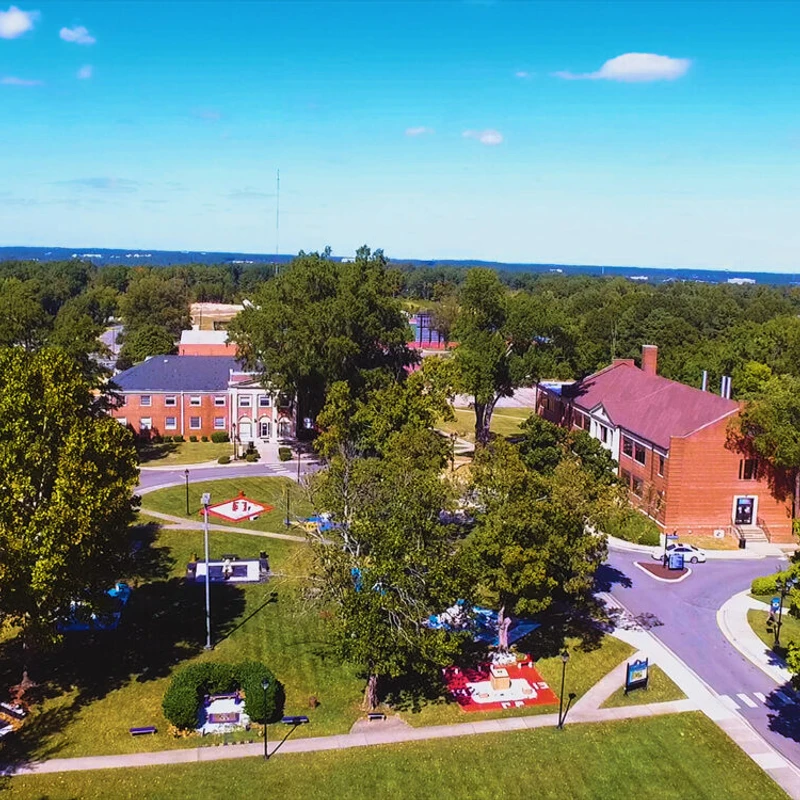
Saint Augustine’s University, one of the nation’s oldest HBCUs, is facing a critical juncture following its announcement of a Chapter 11 bankruptcy filing. This move, approved by the Board of Trustees, aims to reorganize the institution’s finances and chart a path forward. Alongside this, the university will end its legal battle concerning accreditation, with current accreditation set to expire on May 15.
Navigating Financial Challenges and Accreditation
The Chapter 11 filing is intended to allow Saint Augustine’s to address its financial difficulties through a court-supervised process. This type of bankruptcy is often used for reorganization, enabling institutions to manage debts, pause collection actions, and work towards rebuilding. For Saint Augustine’s, this decision follows years of financial strain, accreditation hurdles, leadership transitions, and concerns about its long-term viability.
While the university intends to continue operating, its academic structure will undergo significant changes. Instead of pursuing its current degree programs under the ongoing accreditation fight, Saint Augustine’s will shift its focus to teach-out agreements, non-degree certificates, apprenticeship programs, and a future plan for reaccreditation. This transition is particularly impactful for an institution founded in 1867 with a deep legacy of educating Black students.
Ending the Accreditation Fight
Saint Augustine’s had been actively contesting its accreditation status with the Southern Association of Colleges and Schools Commission on Colleges (SACSCOC). Previous legal actions had allowed the university to maintain accreditation for the 2025–26 academic year, enabling current students to continue working toward their degrees. However, the university now deems further litigation an inefficient use of its limited resources.
Degrees earned by students who complete their studies by May 15 will be recognized under the existing accreditation. However, students still enrolled after that date will need to transfer to another accredited institution to complete their programs. This is where teach-out agreements become crucial, aiming to facilitate credit transfers and ensure students can finish their degrees with minimal disruption.
Student Transitions and Leadership Changes
The transition presents challenges not only academically but also emotionally for students who chose Saint Augustine’s for its unique campus culture, support systems, legacy, and community. Losing this continuity can be deeply felt, especially for those who anticipated graduating from the institution.
Adding to the transition, the university has also appointed a new interim president. Dr. Verjanis A. Peoples has taken over from Dr. Jennie Ward-Robinson, stepping into leadership during this pivotal period. Stability in leadership will be essential as Saint Augustine’s navigates the bankruptcy process, manages student transitions, and works toward a future rebuilding plan.
Broader Implications for HBCUs
The situation at Saint Augustine’s University reflects broader pressures faced by many small private colleges, particularly those serving students with fewer financial resources. For HBCUs, these challenges are often compounded by historic underfunding, smaller endowments, deferred maintenance, and intense competition in the higher education landscape. While many HBCUs are thriving, the struggles of Saint Augustine’s highlight the financial realities impacting colleges nationwide.
This moment also raises critical questions about how historic Black colleges are supported before they reach a crisis point. HBCUs have consistently produced leaders and professionals, often with fewer resources than their counterparts. The impact of a crisis at one institution extends beyond its campus, affecting alumni, communities, and the broader legacy of Black higher education.
Prioritizing Student Needs
The most immediate concern is ensuring the well-being and academic continuity of students. Saint Augustine’s has committed to supporting students through teach-out agreements, but clear, swift, and practical guidance is crucial. Students and families need detailed information about credit transfers, major continuations, financial aid implications, and the necessary steps for enrollment at new institutions. This process must be handled with sensitivity, acknowledging the emotional ties many students have to their HBCU.
The Path Forward for Saint Augustine’s
The university’s long-term strategy includes developing non-degree certificates and apprenticeship programs, potentially aligning with workforce needs in fields like technology and nursing, alongside efforts to regain accreditation. This phased approach could allow the school to continue serving students while focusing on financial recovery. However, rebuilding student trust, financial stability, and community confidence will be a significant undertaking.
The bankruptcy filing provides a legal framework for addressing debts, but the deeper work of survival and honoring its 157-year legacy lies ahead. The future of Saint Augustine’s University hinges on its ability to navigate this crisis effectively, demonstrating that sustained investment, strong governance, and clear support are vital for institutions that have historically played such a crucial role in serving Black students.
What are your thoughts on the bankruptcy filing and its implications for Saint Augustine’s University and the broader HBCU community? Share your perspective in the comments below.