Tag: Ryan Clark

  • Trooper Shoves Players: LeBron, Stephen A. Demand Action

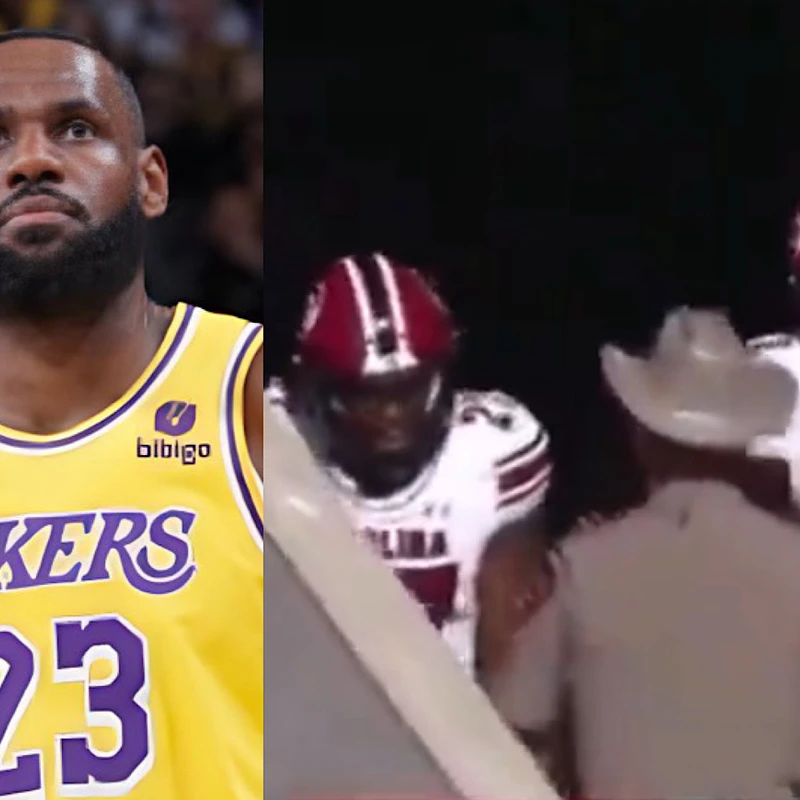
    Imagine being a college athlete, celebrating a huge touchdown, and then getting shoved by a state trooper in the tunnel. That’s exactly what happened to South Carolina football players, and the incident has sparked outrage from some of the biggest names in sports, including LeBron James and Stephen A. Smith. The Texas A&M University Police Department has since taken action, but the calls for accountability are still loud.

    What Went Down in the Tunnel?

    The drama unfolded on November 15th during a game at Kyle Field. South Carolina’s Nyck Harbor scored an impressive 80-yard touchdown, but as he headed to the tunnel, clutching his hamstring, a Texas State trooper stepped in his path. Instead of letting the player pass, the trooper seemed to deliberately shove Harbor and another player, Oscar Adaway III, before scolding Harbor.

    This aggressive move, captured on video, didn’t sit well with many. Social media quickly lit up with criticism, demanding that the trooper face serious consequences for his actions. It wasn’t just fans; prominent sports figures weighed in, calling for an immediate suspension.

    Celebrity Athletes and Pundits Speak Out

    NBA superstar LeBron James was one of the first to voice his strong disapproval. He took to X (formerly Twitter) to call the trooper’s behavior ‘premeditated and corny AF,’ adding that the officer ‘went out his way to start some sh*t.’ James clearly felt the action was unwarranted and unprofessional.

    Renowned sports commentator Stephen A. Smith echoed these sentiments, posting a video detailing his thoughts. He emphasized that the situation was a ‘no-brainer,’ stating the officer’s actions warranted an ‘automatic suspension’ and that he ‘shouldn’t be allowed to work the game again.’ Smith highlighted the trooper’s awareness of the individuals involved, making the shove even more egregious.

    Ryan Clark, host of ‘The Pivot,’ also shared his condemnation via X. He found the incident ‘unacceptable,’ pointing out that no young man should face such aggression, especially from someone meant to provide protection. Clark raised concerns about what might happen when the cameras aren’t rolling, even though this particular incident didn’t escalate further.

    Official Response and Consequences

    Following the widespread backlash, the Texas A&M Police Department announced they were aware of the incident. They confirmed that the trooper involved had been ‘relieved of his game day assignment.’ The Texas Department of Public Safety (DPS) also released a statement, confirming the trooper was sent home from the game and that their Office of Inspector General would be investigating the matter further.

    • The trooper was seen shoving South Carolina players Nyck Harbor and Oscar Adaway III.
    • LeBron James called the action ‘premeditated and corny AF.’
    • Stephen A. Smith demanded an ‘automatic suspension.’
    • Ryan Clark questioned the officer’s conduct and potential for escalation.
    • Texas A&M Police relieved the trooper of his game day duties.
    • The Texas DPS is conducting a further investigation.

    While the trooper has been removed from game day duties, the investigation by the DPS will determine if further disciplinary actions are necessary. The incident serves as a stark reminder of the importance of professionalism and de-escalation, especially for those in positions of authority.

    What are your thoughts on this incident and the response from officials? Share your opinions in the comments below!
  • Ryan Clark on Athlete Mental Health: ‘Feats Don’t Fend Off’

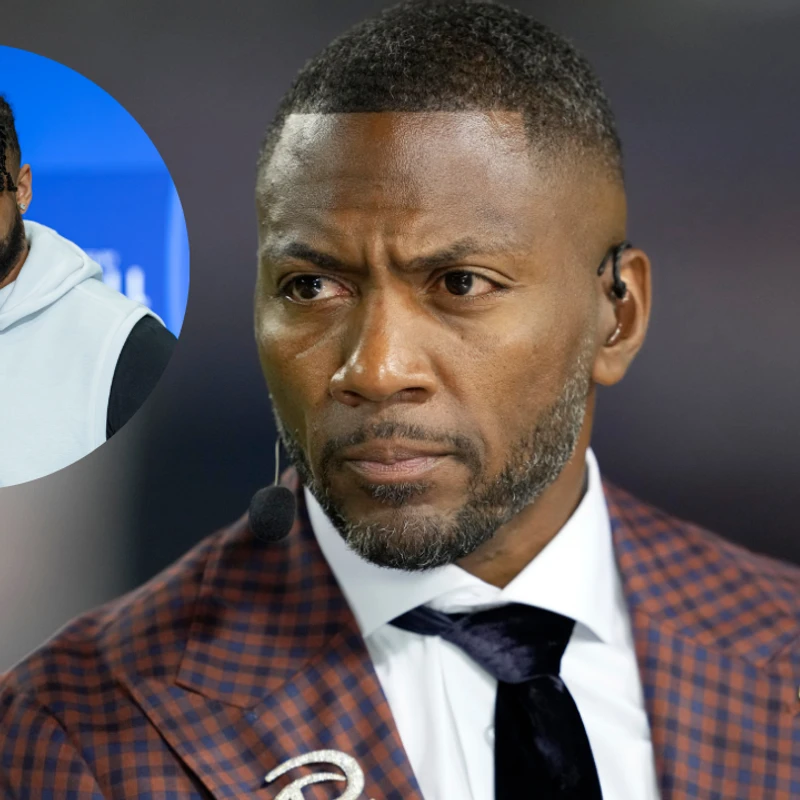
    The sports world is in mourning after the tragic and sudden death of Dallas Cowboys star Marshawn Kneeland. This heartbreaking event serves as a stark reminder that even the brightest stars are not immune to the profound struggles of mental health. Former NFL player and current commentator Ryan Clark recently shared his reflections on “The Pivot” podcast, emphasizing a critical truth: athletic achievements don’t protect anyone from these battles.

    A Painful Reminder

    Clark poignantly noted the jarring contrast between seeing Kneeland score a touchdown on Monday Night Football and then mourning his death just days later. “This is another reminder about the mental health struggles that so many people deal with,” Clark stated. He stressed that “mental health issues don’t stop at the doors of the stadium because you can complete these amazing athletic feats that don’t fend off these struggles.”

    The timing of Kneeland’s death, reportedly by suicide, during November – which is Mental Health Awareness Month – adds a layer of profound sadness. It underscores Clark’s point that talent, speed, strength, or accolades offer no immunity. In fact, as seen in films like “HIM,” the pressures and visibility associated with high-level athletics might even heighten vulnerability.

    Addressing the Crisis Among Black Men

    Clark highlighted a deeply concerning trend: the alarming rise in suicide rates among Black men. He pointed out that Black men account for a significant majority of suicides within the African American community, and this issue isn’t confined to any specific age group. Statistics from organizations like the National Institute of Minority Health and Health Disparities and the American Psychological Association reveal that Black men are disproportionately affected by mental health crises and less likely to receive treatment compared to white adults.

    For years, advocates have worked tirelessly to dismantle the stigma surrounding mental health within Black communities, encouraging open conversations. However, Clark emphasized that there’s still a long road ahead, especially within the sports world. He referenced a growing list of Black athletes who have tragically lost their lives to mental health struggles, including names like Dave Duerson, Junior Seau, Rudi Johnson, Jovan Belcher, and now, Marshawn Kneeland.

    A Call to Check In

    These devastating situations serve as a powerful call to action: “check on your people.” Clark’s message is clear: even when individuals appear happy, successful, and seemingly have it all, they could be fighting an intense internal battle. The demons that linger can eventually surface in tragic and devastating ways, making empathy and support more crucial than ever.

    What are your thoughts on Ryan Clark’s powerful message about athlete mental health? How can we better support athletes and our communities in addressing these struggles? Share your insights in the comments below.

  • Ryan Clark: Authenticity, Faith, and a Powerful Voice

    In a world that often tiptoes around the truth, Ryan Clark has carved out a remarkable career by embracing authenticity. His guiding principle? “I want my word to mean something,” he states. From his days as an undrafted NFL player to becoming an Emmy-winning analyst and co-founder of the influential podcast “The Pivot,” Clark’s journey is a testament to perseverance and unwavering integrity.

    From the Field to the Media

    Interestingly, a career in sports media wasn’t Clark’s initial plan. While studying mass communications at LSU, he envisioned himself working behind the scenes as a sports information director, aiming to support young athletes. “No, not at all,” he admits when asked if this was always the vision. “I wanted to be a sports information director; I just thought it would be a job where I could give back and be a part of some young athlete’s life.”

    Central to Clark’s story is his profound faith – in God, his family, and his own abilities. This deep-seated belief, instilled by his mother, has been a constant source of strength. “My mom went to church—I make the joke that she’s in church eight days a week, 25 hours a day,” he laughs. “We were just taught to pray. We were just taught to believe.”

    Overcoming Challenges with Faith and Resilience

    This unwavering belief allowed Clark to see possibilities where others saw insurmountable odds. He never internalized the fact that he was an undrafted free agent. “I didn’t think the cards were stacked against me; I’ve just never been scared to try, never been scared to put myself out there. I always believed that I had a shot.”

    His persistence extended to his personal health journey, including a significant battle with sickle cell disease that led to the removal of his spleen and gallbladder. Instead of bitterness, this experience fueled his commitment to helping others. In 2012, he founded Ryan Clark’s Cure League to raise awareness and partnered with sickle cell organizations in Louisiana.

    The true turning point, however, came with the loss of his sister-in-law at just 27 years old. This profound loss reshaped his mission, making him feel a deep responsibility to give a voice, a face, and a confidant to those affected by sickle cell. “I just felt like people needed to know. I felt like money needed to be raised. I felt like they needed to have a voice, a face, a confidant.”

    Authenticity as a Guiding Principle

    Upon retiring from the NFL in 2015 and joining ESPN, Clark quickly became known for his sharp, opinionated analysis. But his on-air presence was never about putting on a show; it was about intentionality and staying true to himself. “Whether I’m talking to you, I’m talking to my mom, I’m talking to my kids—I don’t ever want to have to switch up who I am,” he explains. “I never want to get on TV and have to be this prim and proper or whatever you might think it is. That takes me away from being naturally and organically and authentically who I am.”

    While he worked on his enunciation and speech patterns, he never tried to erase the distinct rhythm of his New Orleans roots. “Sometimes folk can’t understand us at all,” he says with a grin, acknowledging the need for clarity in his broadcasting career.

    The Power of Vulnerability on ‘The Pivot’

    This unique blend of professionalism and authenticity is also the driving force behind “The Pivot,” the podcast he launched in 2021 with Fred Taylor and Channing Crowder. The show has become a cultural phenomenon, featuring intimate conversations with guests like Barack Obama and Dwayne Johnson. Clark believes its success stems from its embrace of vulnerability. “It’s been taboo to say that we need help,” he notes. “It’s been taboo to say that we’re hurting. It’s been taboo to be vulnerable. And I think it’s hurt people.”

    “Our platform has shown people, you can be tough, you can be successful, you can be a provider, and you can also be open and transparent and honest and vulnerable as well.”

    Finding Balance Amidst a Busy Life

    Balancing his many commitments remains a challenge. “I don’t think there’s really a balance,” Clark admits. “You just got to do the best you can with it.” For him, this means making intentional efforts to connect with his family, even when work keeps him away. “Even if it’s a Monday and you’re not going to be home until Thursday, what are you doing to show that you’re excited about Thursday because you get to be with your family?”

    Despite the demands, he prioritizes FaceTime calls, dinners with his youngest daughter, and quality time with his wife. He believes his family understands his love for them, even if the schedule isn’t always seamless. Ultimately, Clark is driven by integrity over backlash. His career is a powerful example that believing in yourself and staying grounded in faith can lead to extraordinary destinations.

    What aspect of Ryan Clark’s journey resonates most with you? Share your thoughts on his commitment to authenticity and faith in the comments below!